Author: Josep Marín

  • Actions on sanitation, hygiene and health

    Actions on sanitation, hygiene and health

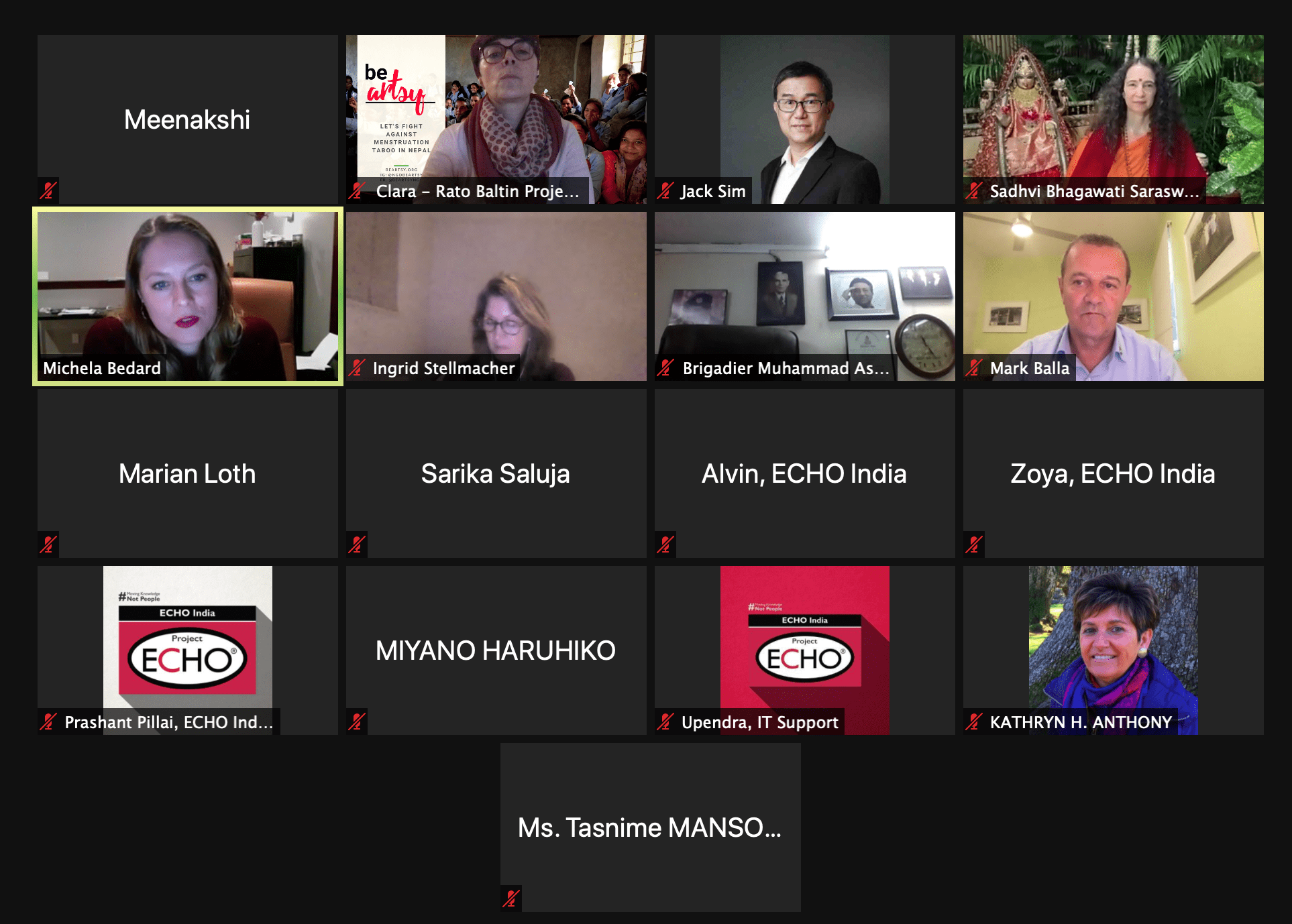
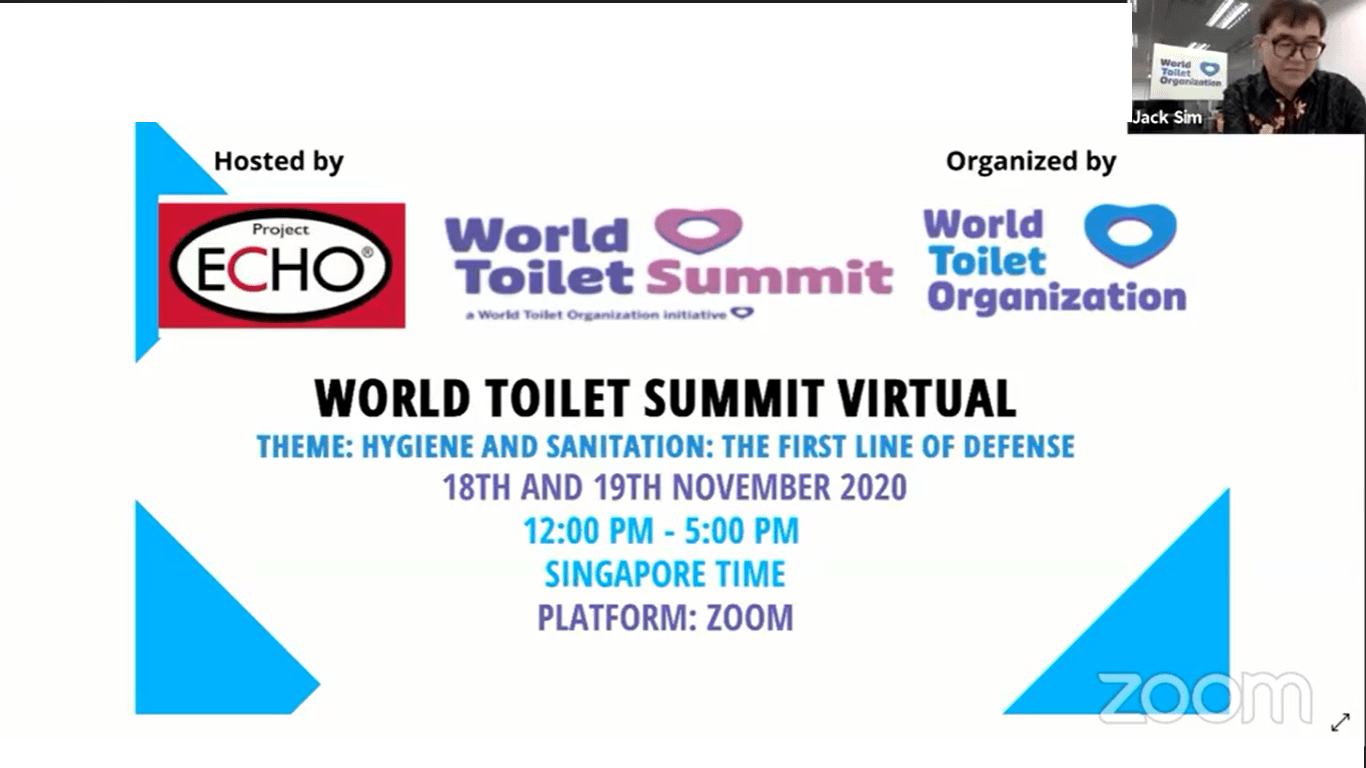
    The 20th World Virtual Toilet Summit (WTS) has invited be artsy to participate. This was done by Clara Garcia i Ortés, founder and director of the Rato Baltin project, on 19 November.

    Project ECHO and the World Toilet Organization organized the Summit with the aim to promote awareness, build political commitment and trigger action on critical water, sanitation, hygiene and health issues at all levels, to facilitate the efficient conservation, protection, development, planning, management and use of wash in all its dimensions on an environmentally sustainable basis for the benefit of the Earth. Clara Garcia participated as a panellist in the session on ‘Menstrual hygiene’.

    The WTS explains that ‘meeting the hygiene needs of all women is a fundamental issue of basic public health, basic dignity, self-esteem, and human rights. Period poverty simply means a lack of access to safe sanitary products, menstrual hygiene education, toilets, handwashing facilities and the proper waste management. More than 800 million people menstruate daily. Yet, more than 1.2 billion women lack the access to basic sanitation and hygiene care. The World Health Organization in the United Nations has recognized menstrual hygiene as a global public health and human-rights issue. Women and young girls in many developing countries are discouraged from socializing, going to school or doing certain basic activities when they menstruate. The cultural shame often attached to menstruation and a shortage of resources such as clean toilet with basic sanitary care or sanitary products stop the young girls from going to school and women from working when they menstruate. Many girls and women cannot afford menstrual products on top of lacking the use of the essential sanitation facilities make them harder to manage their monthly affair safely with dignity. These women are often torn between purchasing food and necessities, and sanitary products are not in the list. Many girls and women in developing countries still use old clothing, leaves, ash, cow dung etc. unsafe materials to absorb according to research conducted by UNICEF.
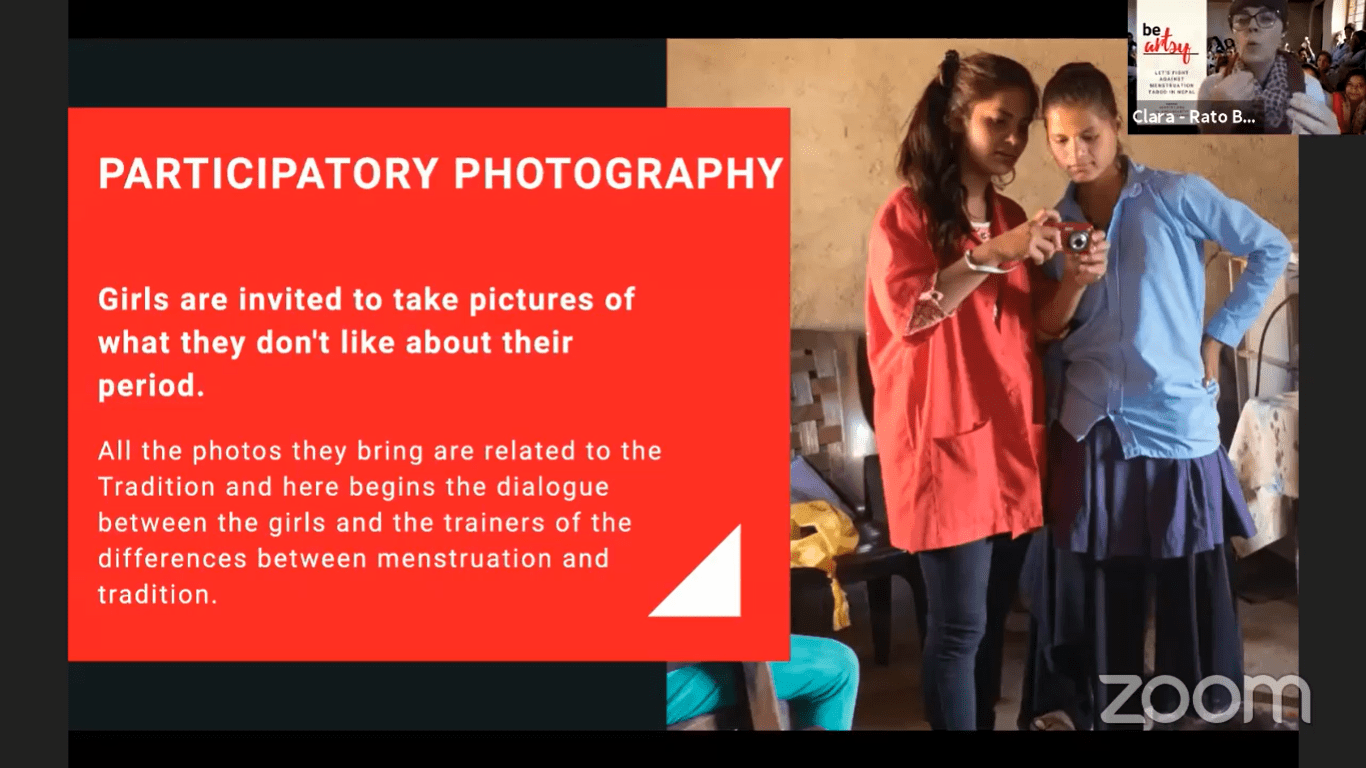
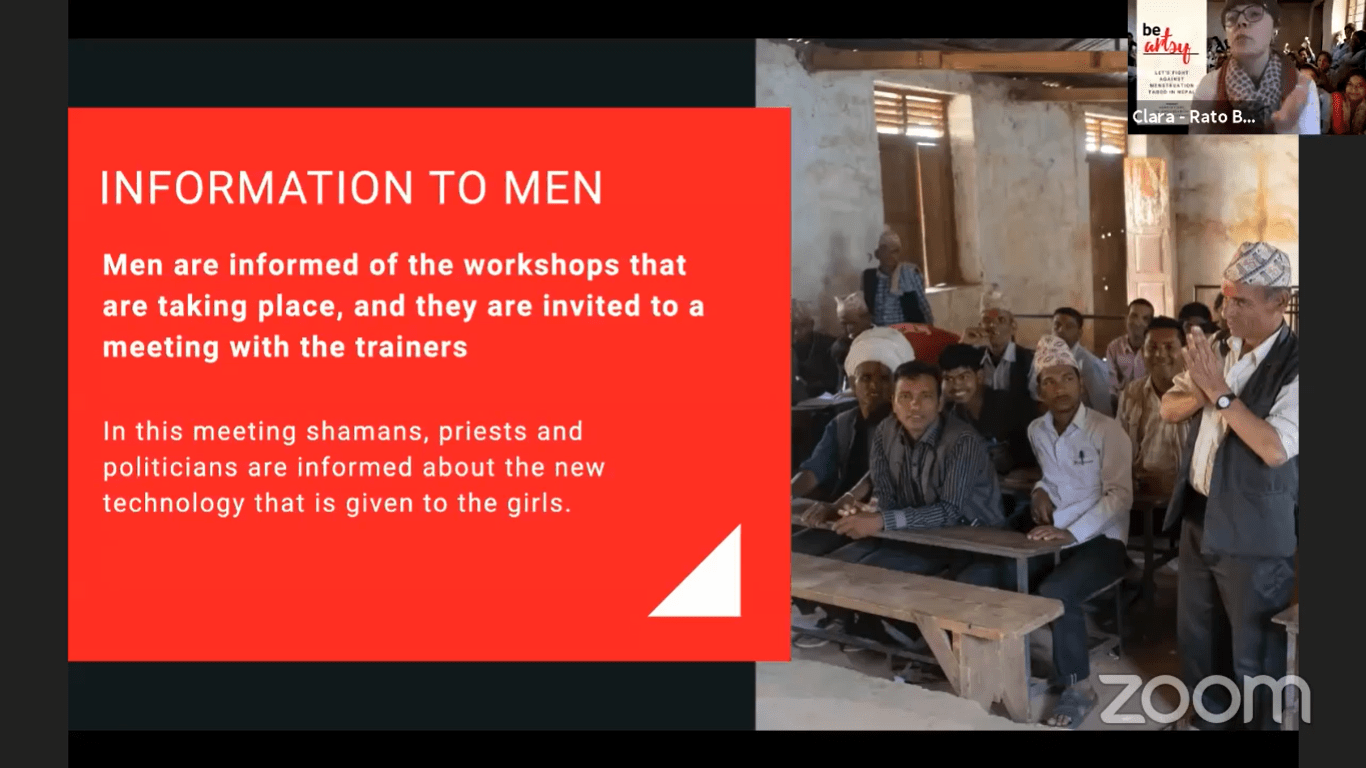
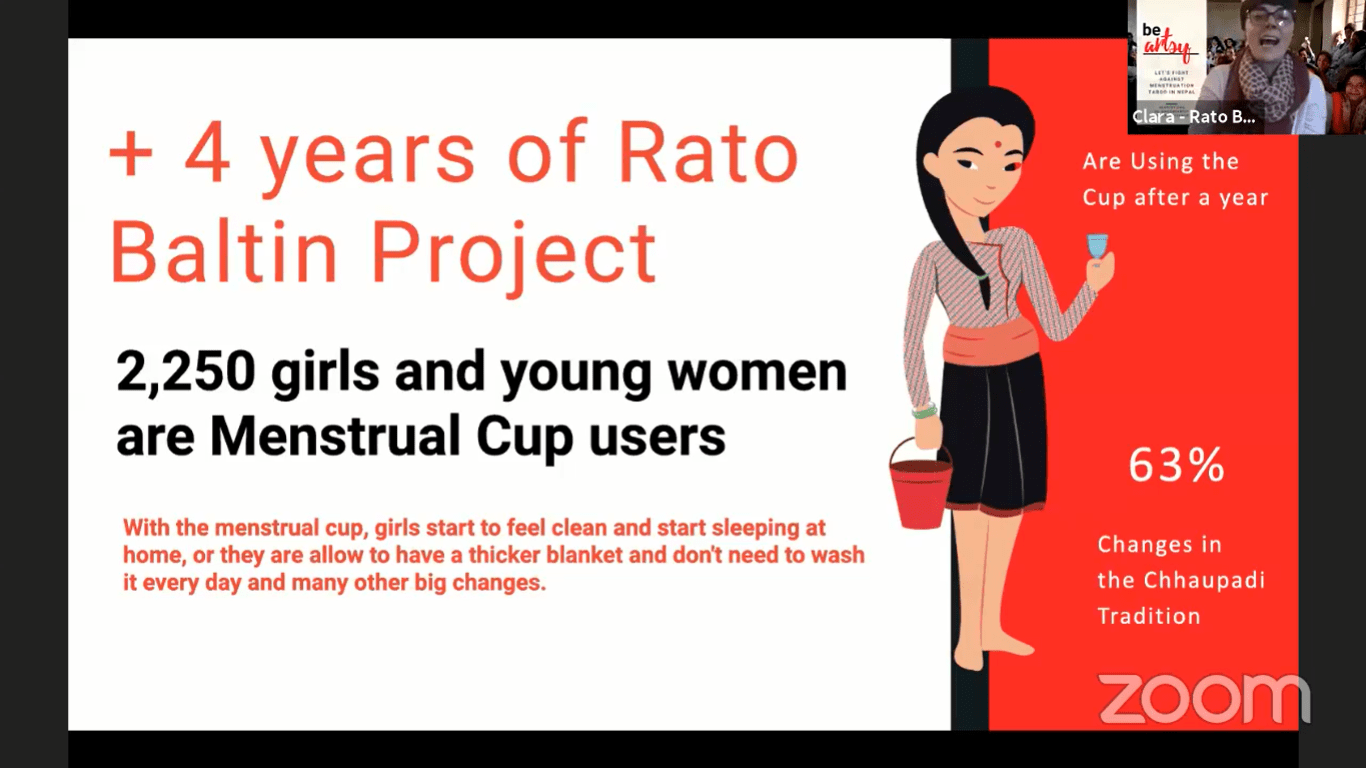
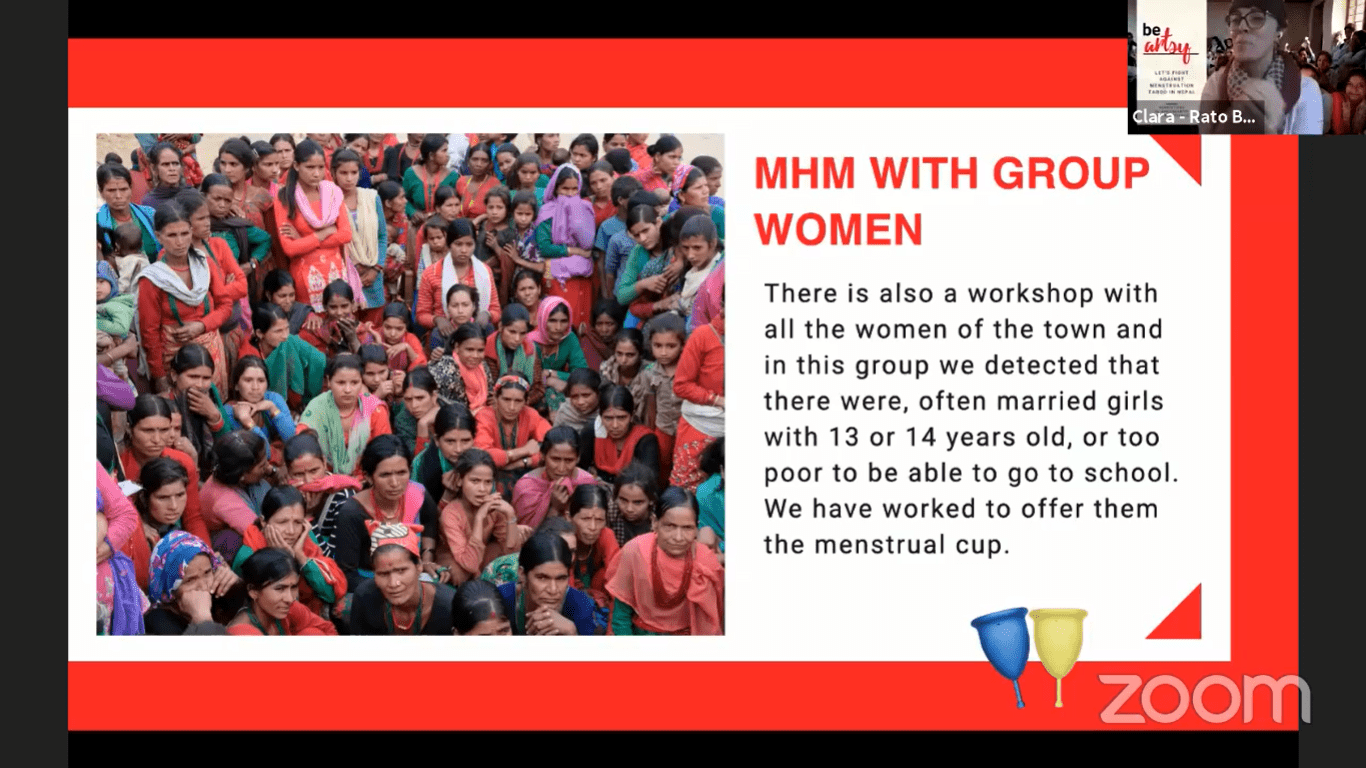
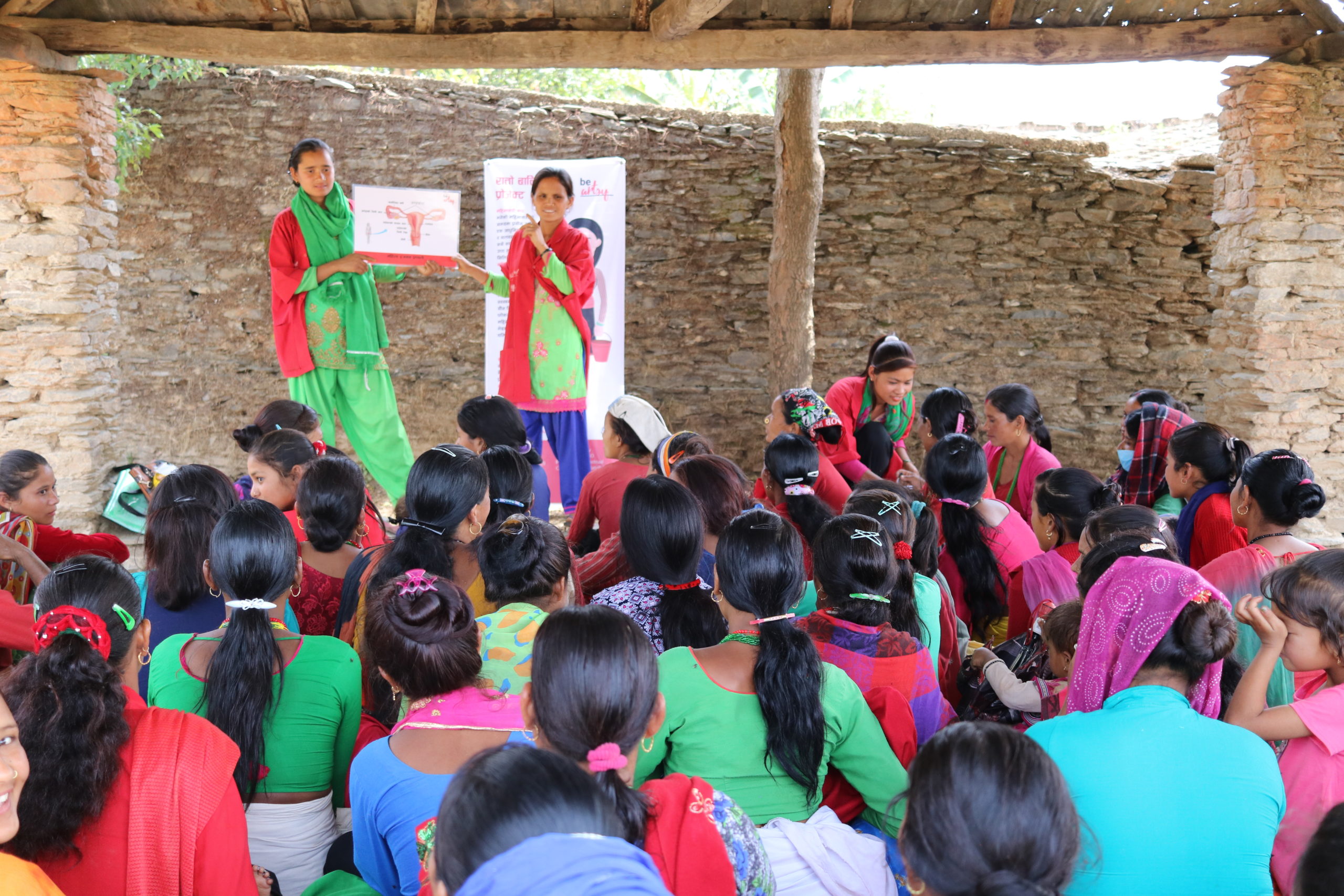
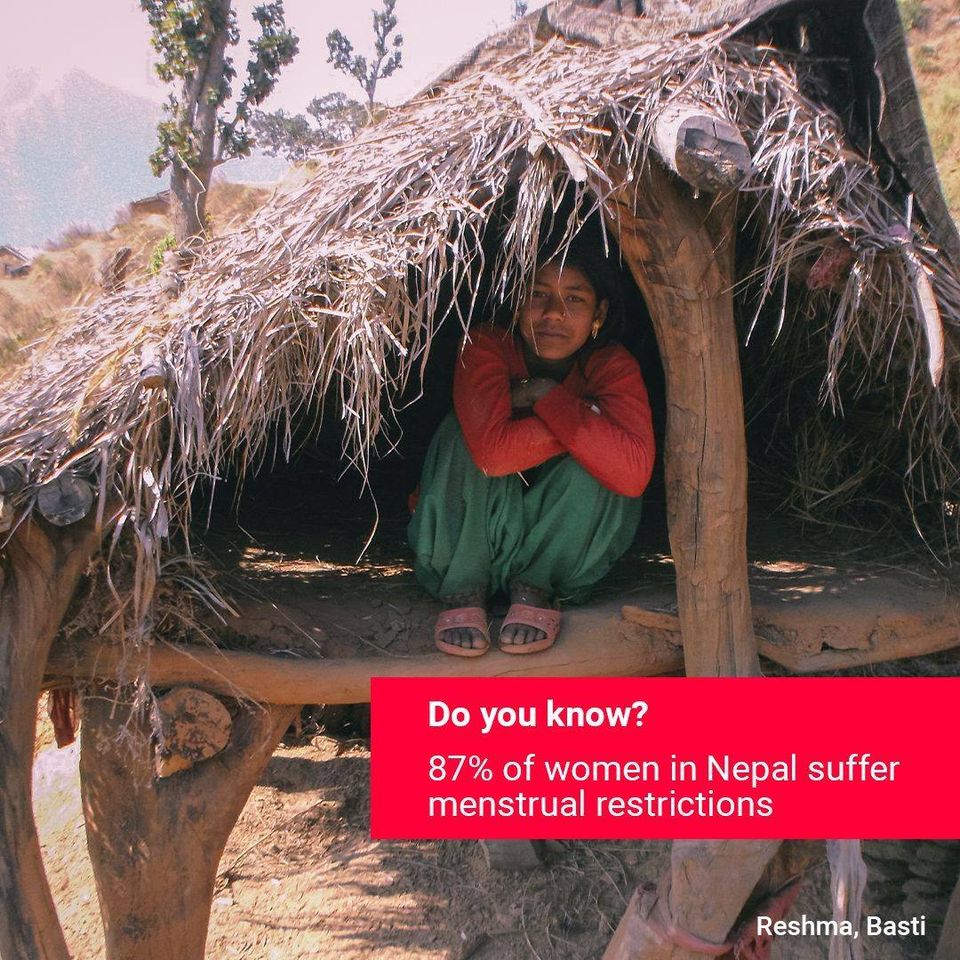
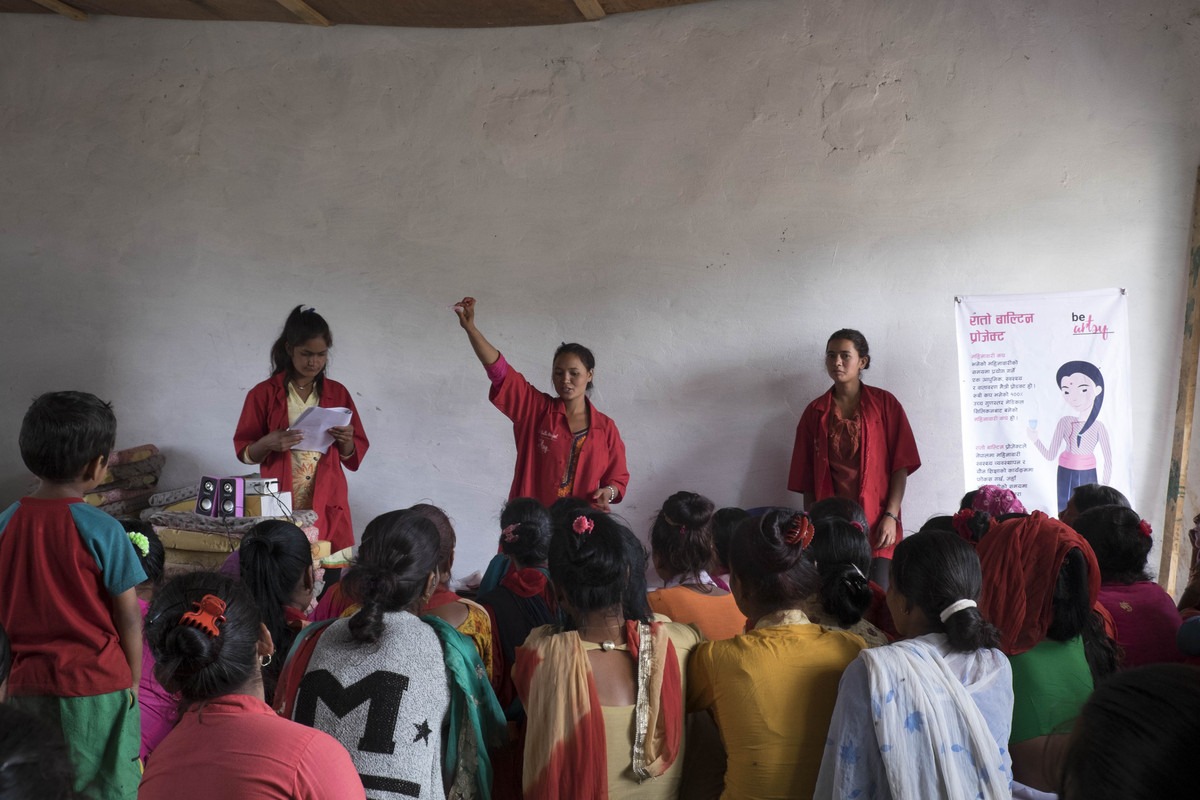
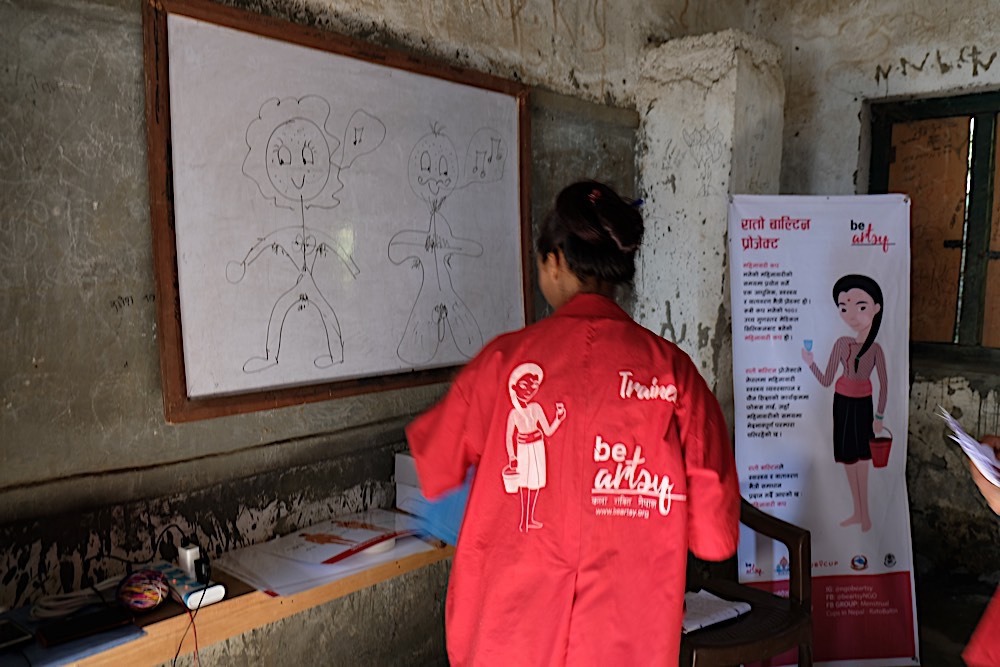
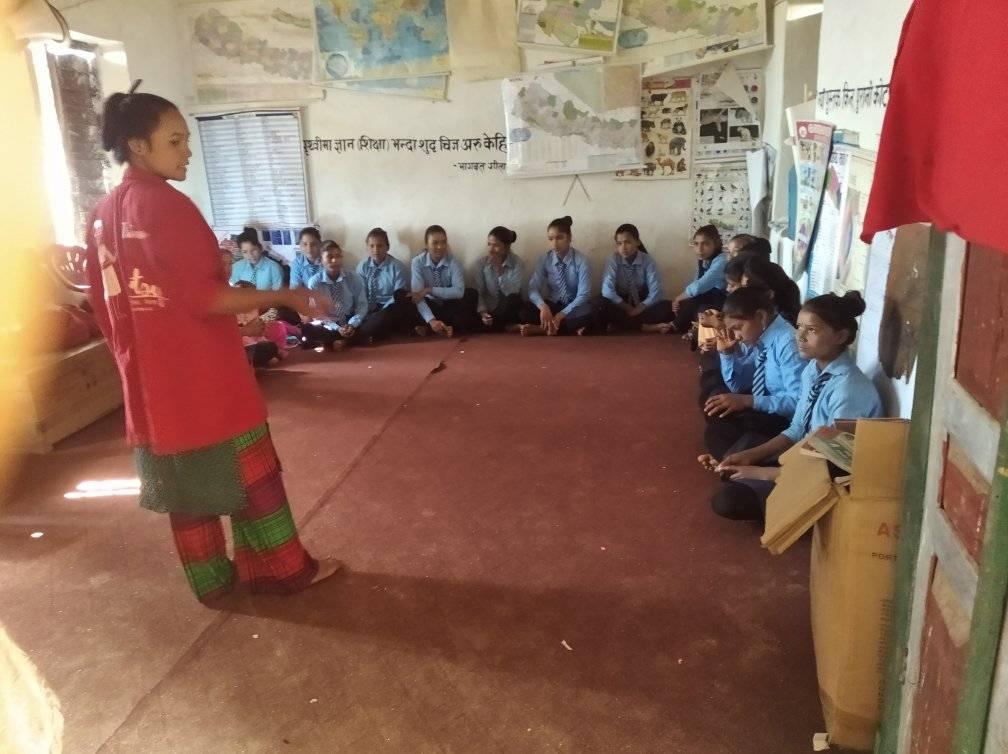
    Be artsy often finds these important shortcomings in Nepal, in the Achham area, where we work with projects that give access to hygiene and menstrual education for girls and women. Clara’s participation in the Summit made this clear, and the way we do it.

    We need your help, please. Make your donation to the Rato Baltin and Edufem projects today.

    Crowdfunding: https://www.migranodearena.org/reto/21328/contra-el-chhaupadi-la-tradicion-nepali-que-exilia-a-las-mujeres-durante-la-menstruacion

    Teaming (1 euro/month)

    RatoBaltin: https://www.teaming.net/ratobaltinproject

    Edufem to prevent early marriage: https://www.teaming.net/edufemproject

    Associate: – https://beartsy.org/associate / 

    Donorbox: –https://donorbox.org/againts-chhaupadi – https://donorbox.org/edufem – Covid-19🦠 https://donorbox.org/mask-4-health-nepal

    Thanks!
  • Meet Dambara Budha

    Meet Dambara Budha

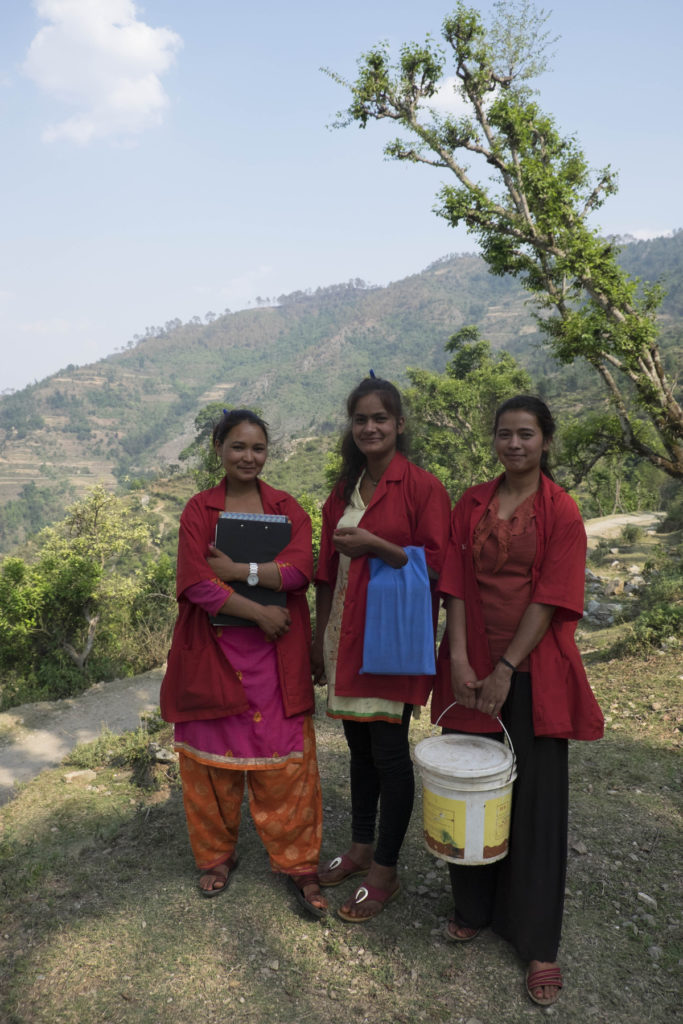
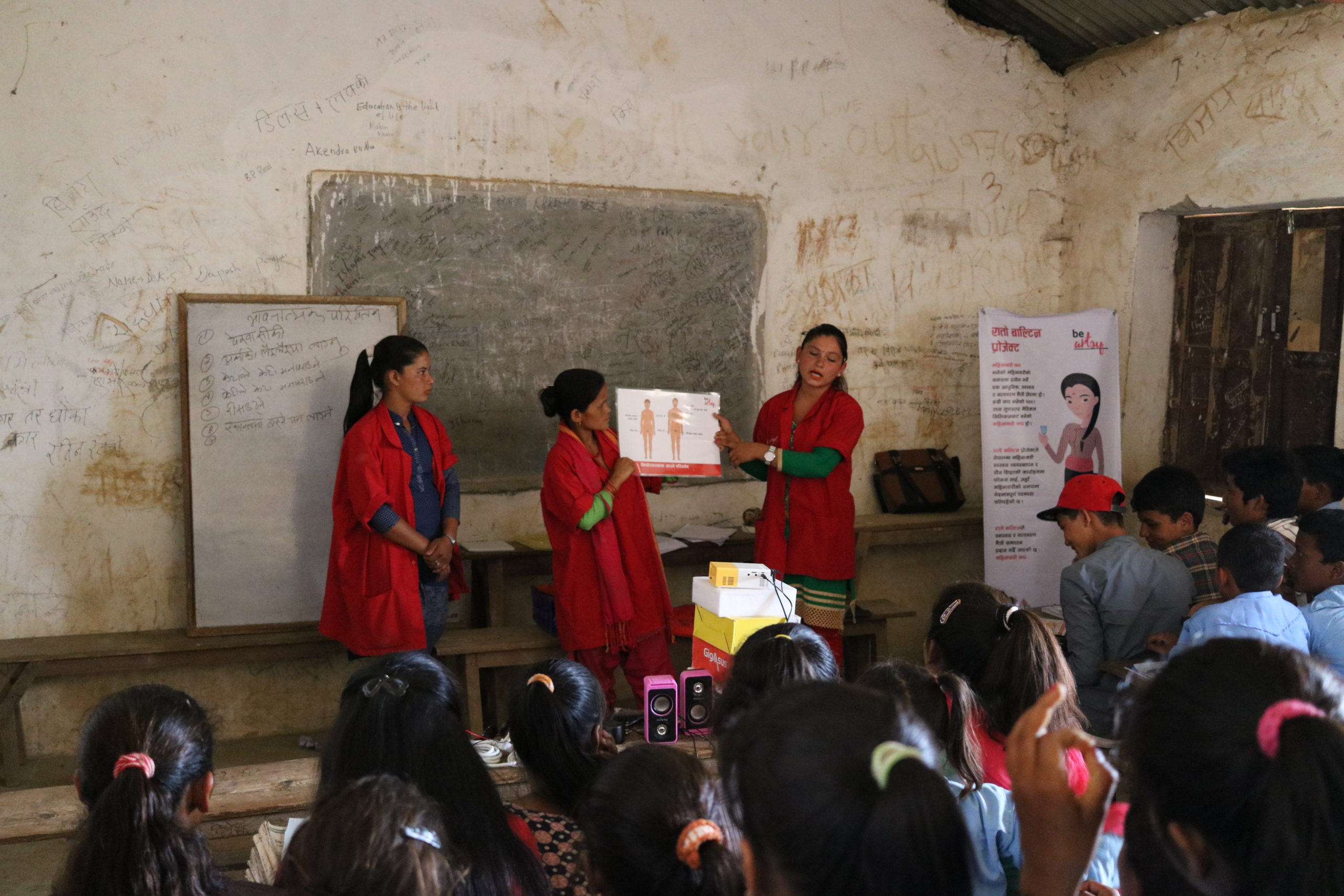
    Dambara Budha has been collaborating in the Rato Baltin project as a trainer for over two years. She was born in the Dhungachalna village, a very remote area far from the urban centre of Dhakari, in the Achham district, with a terrible telephone signal, located in the western part of Nepal.

    Before participating in the project, Dambara considered herself very innocent. She was a timid speaker in public and didn’t enjoy going to places alone. Now she continuously becomes more confident as she gains new knowledge and learns much more. Her life has changed for the better. In addition to overcoming her shyness, she has learned to manage her periods more healthily. Before obtaining the knowledge about menstruation, she was asked to confine herself to a hut as she believed it was the right thing to do. Now she stays in a room inside the house and takes care of her menstrual hygiene.

    Since she is earning a little money, her vision for the future is more optimistic. She can see that her son will be able to have an education in the future, and she will be able to take care of her daughter-in-law when she has her period by providing them with nutritious food and giving her a clean and safe room to rest.

    For Clara, the founder of be artsy, Dambara was special since she started in September 2018. Dambara arrived with a month-old baby and a 10 or 12-year-old boy to take care of the baby while she was in training. It was an incredible challenge for Dambara to concentrate on the work and take care of a baby. The question, what is Dambara going to do if he doesn’t work at Rato Baltin? It was enough to give her a chance. Thanks to a group of mentors who helped her at all times, now Dambara is working very well, her self-confidence is increasing, and she does not hesitate to talk to the mayor, whoever is necessary to carry out her work. Dambara manages the house, the field, the baby and the job. The truth is that Nepalese women are superwomen.

    Text by Rupa Pandey and Clara G.O. with correction by Diya Modhera
    Photos by Anne-Laure Crepin

    We need your help, please. Make your donation to the Rato Baltin and Edufem projects today.

    Crowdfunding: https://www.migranodearena.org/reto/21328/contra-el-chhaupadi-la-tradicion-nepali-que-exilia-a-las-mujeres-durante-la-menstruacion

    Teaming (1 euro/month)

    RatoBaltin: https://www.teaming.net/ratobaltinproject

    Edufem to prevent early marriage: https://www.teaming.net/edufemproject

    Associate: – https://beartsy.org/associate / 

    Donorbox: –https://donorbox.org/againts-chhaupadi – https://donorbox.org/edufem – Covid-19🦠 https://donorbox.org/mask-4-health-nepal Thanks!
  • United Nations: ‘All this needs to change… now’

    United Nations: ‘All this needs to change… now’

    Chhaupadi: a particular form of hard violence against women. International Day to eliminate violence against women: panel discussion online and presentation with international guests who speak about women and menstruation in Nepal, entry by contributing €5 to the project.

    In the United Nations message for the International Day to eliminate violence against women, the General Secretary António Guterres, denounces the “sexual type abuse and because of being a female, violence, rape, one of the most horrible, persistent and generalized human rights violation, affecting one in every three women in the world. “The violence against women and girls is rooted in centuries of male domination. Let us not forget that the gender inequalities that fuel violence culture are essentially a question of power imbalances”. “The stigma, erroneous ideas, the lack of information and the non fulfilment of the laws, only perpetuate impunity”.

    The be artsy project has covered, by explaining about it, a lesser known form of violence against women, the Chhaupadi. Not only: we work since 2017 in an educative program that has showed its effectiveness in eradicating this practice in Nepal, based in workshops, awareness activities, participative photography, and empowerment for girls. To very much summarize what is our main project, the Rato Baltin Project, which we accompany by other interrelated parallel projects, in November, the month of the International Day to eliminate violence against women, we denounce all forms of violence, amongst them this terrible practice of extreme discrimination towards women just because they are female. We denounce, and work in situ in Nepal to eradicate this practice. Your support helps us to be effective in fighting against these forms of cultural, physical and daily violence.

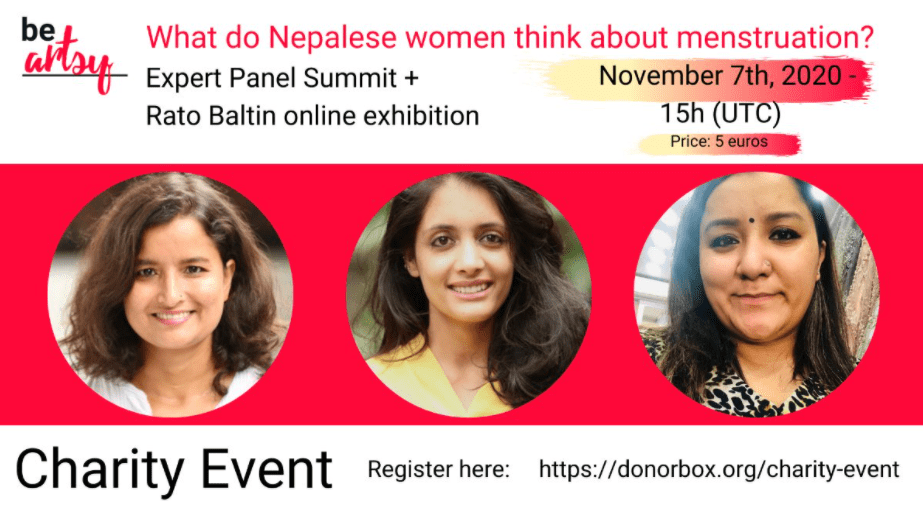
    Be artsy organizes, next Saturday the 7th of November, at 15h (UTC), an online discussion panel and exhibition, with international guests that shall speak about women and menstruation in Nepal, with entry by contributing €5 to the project: https://donorbox.org/charity-event

    In November, be artsy proposes more activities within the frame of the International Day to eliminate violence against women. On the 28th, a documentary will be released and be artsy will offer an exhibition online that can be followed in three languages, and on the 19th Clara Garcia i Ortés, co-founder and president of the association, will participate via a discussion panel, on one of the 10 subjects treated at the World Toilet Summit, about hygiene personal spaces: that about menstrual hygiene management. 2,300 million people do not have access to a bathroom offering good sanitary conditions and personal dignity, according to the United Nations.

    Translation by Tere Salinero

    We need your help, please. Make your donation to the Rato Baltin and Edufem projects today.

    Crowdfunding: https://www.migranodearena.org/reto/21328/contra-el-chhaupadi-la-tradicion-nepali-que-exilia-a-las-mujeres-durante-la-menstruacion

    Teaming (1 euro/month)

    RatoBaltin: https://www.teaming.net/ratobaltinproject

    Edufem to prevent early marriage: https://www.teaming.net/edufemproject

    Associate: – https://beartsy.org/associate / 

    Donorbox: –https://donorbox.org/againts-chhaupadi – https://donorbox.org/edufem – Covid-19🦠 https://donorbox.org/mask-4-health-nepal Thanks!
  • Ruby Cup: Thanks for helping us help others

    Ruby Cup: Thanks for helping us help others

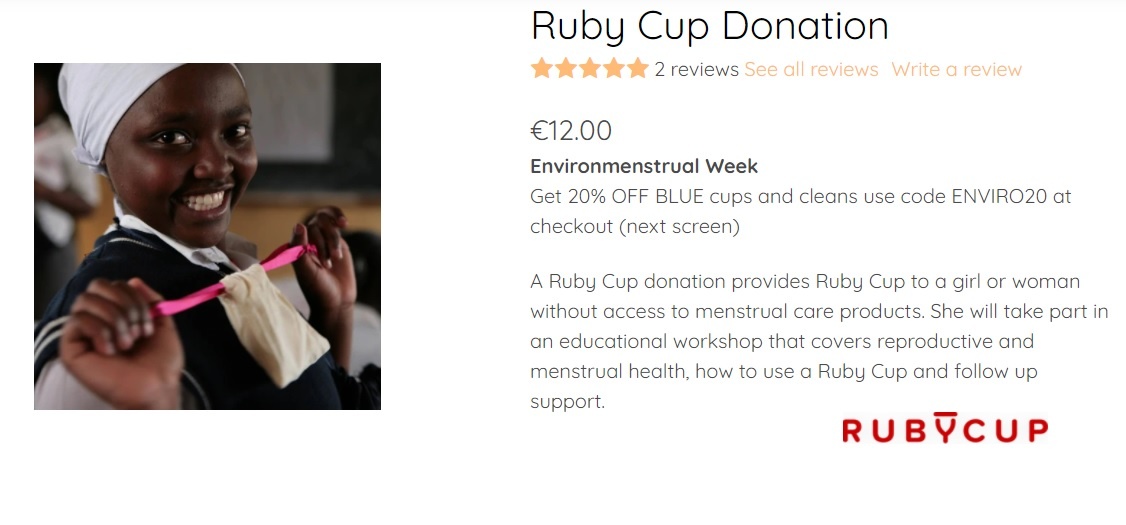
    The menstrual cups have arrived to give us a great lesson in sustainability in comparison with traditional products used during menstruation, which many times end up in some dumpsite or in the sea.

    For that reason, Ruby Cup was born with the mission of providing sustainable menstrual care, thanks to its cups made of medical grade silicone, soft and easy to use, with an average life of up to ten years!
    This way, Ruby Cup shows its commitment with environmental sustainability, but also with social sustainability: for each purchase cup, they donate one cup to a woman or girl who cannot get one, changing thus the lives of many women up to now.

    Menstrual, sexual education to fight chhaupadi in Nepal
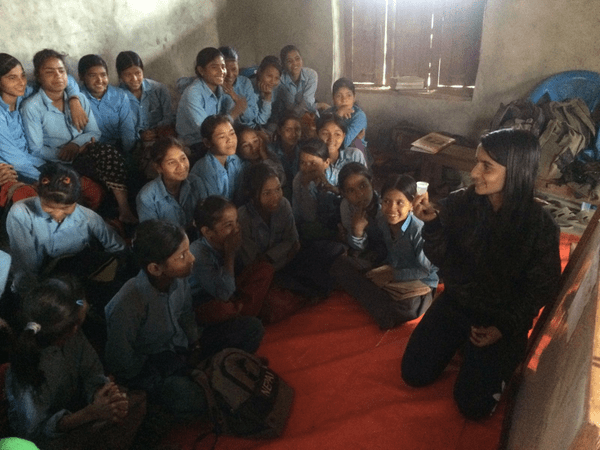
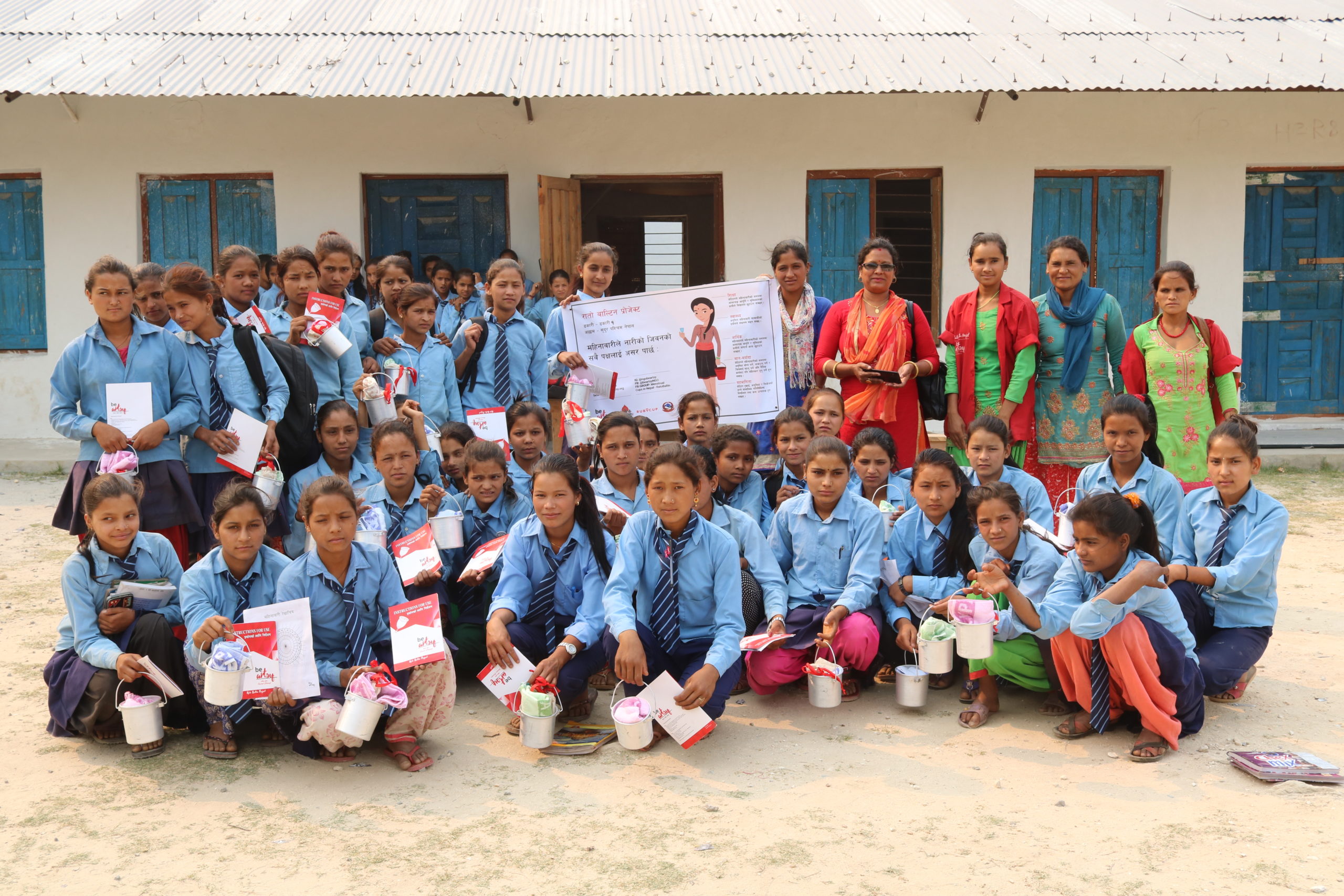
    Moments like this have accompanied the be artsy Project from the beginning


    Thank you very much, Ruby Cup, for your continuous support and collaboration! Many thanks for helping us help others!

    By Luisa Tejada, translation by Tere Salinero

    We need your help, please. Make your donation to the Rato Baltin and Edufem projects today.

    Crowdfunding: https://www.migranodearena.org/reto/21328/contra-el-chhaupadi-la-tradicion-nepali-que-exilia-a-las-mujeres-durante-la-menstruacion

    Teaming (1 euro/month)

    RatoBaltin: https://www.teaming.net/ratobaltinproject

    Edufem to prevent early marriage: https://www.teaming.net/edufemproject

    Associate: – https://beartsy.org/associate / Donorbox: –https://donorbox.org/againts-chhaupadi – https://donorbox.org/edufem – Covid-19🦠 https://donorbox.org/mask-4-health-nepal Thanks!
  • The Afrodita Circle also endeavour to help women in other countries. Thanks!

    The Afrodita Circle also endeavour to help women in other countries. Thanks!

    Now, more than ever, the empowerment of women is an impending issue. António Guterres, UN Secretary General, stated “that this becomes an international priority to achieve global peace and a higher protection of the human rights all over the world”. However, to reach this it is first necessary to rediscover and strengthen that individual female empowerment to help us in the process of self-acknowledgement, liberation, re-education and change.

    Mila Torró, founder of Afrodita Circle, has been accompanying women for more than 12 years in their search for balance, well-being and personal reconciliation. She has pursued this through individual sessions or with courses, workshops and therapies that, using energetic techniques, music, movement and body awareness, to encourage women’s liberation and empowerment. Afrodita Circle also endeavour to help women who wish for that liberation in other countries, collaborating with be artsy  for many years now sharing parts of its funds from courses and workshops to our organization.

    Mila Torró, thank you very much, for being a guide for many women and for supporting our cause.

    Thank you! Afrodite Circle helping be artsy

    By Luisa Tejada, translation by Tere Salinero,
    correction by Jeanne Wills. Photos by Serena Aiko

    We need your help, please. Make your donation to the Rato Baltin and Edufem projects today.

    Crowdfunding: https://www.migranodearena.org/reto/21328/contra-el-chhaupadi-la-tradicion-nepali-que-exilia-a-las-mujeres-durante-la-menstruacion

    Teaming (1 euro/month) RatoBaltin: https://www.teaming.net/ratobaltinproject Edufem to prevent early marriage: https://www.teaming.net/edufemproject

    Associate: – https://beartsy.org/associate

    Donorbox: –https://donorbox.org/againts-chhaupadi –https://donorbox.org/edufem Covid19🦠 https://donorbox.org/mask-4-health-nepal Thanks!
  • Meet Hiunkala

    Meet Hiunkala

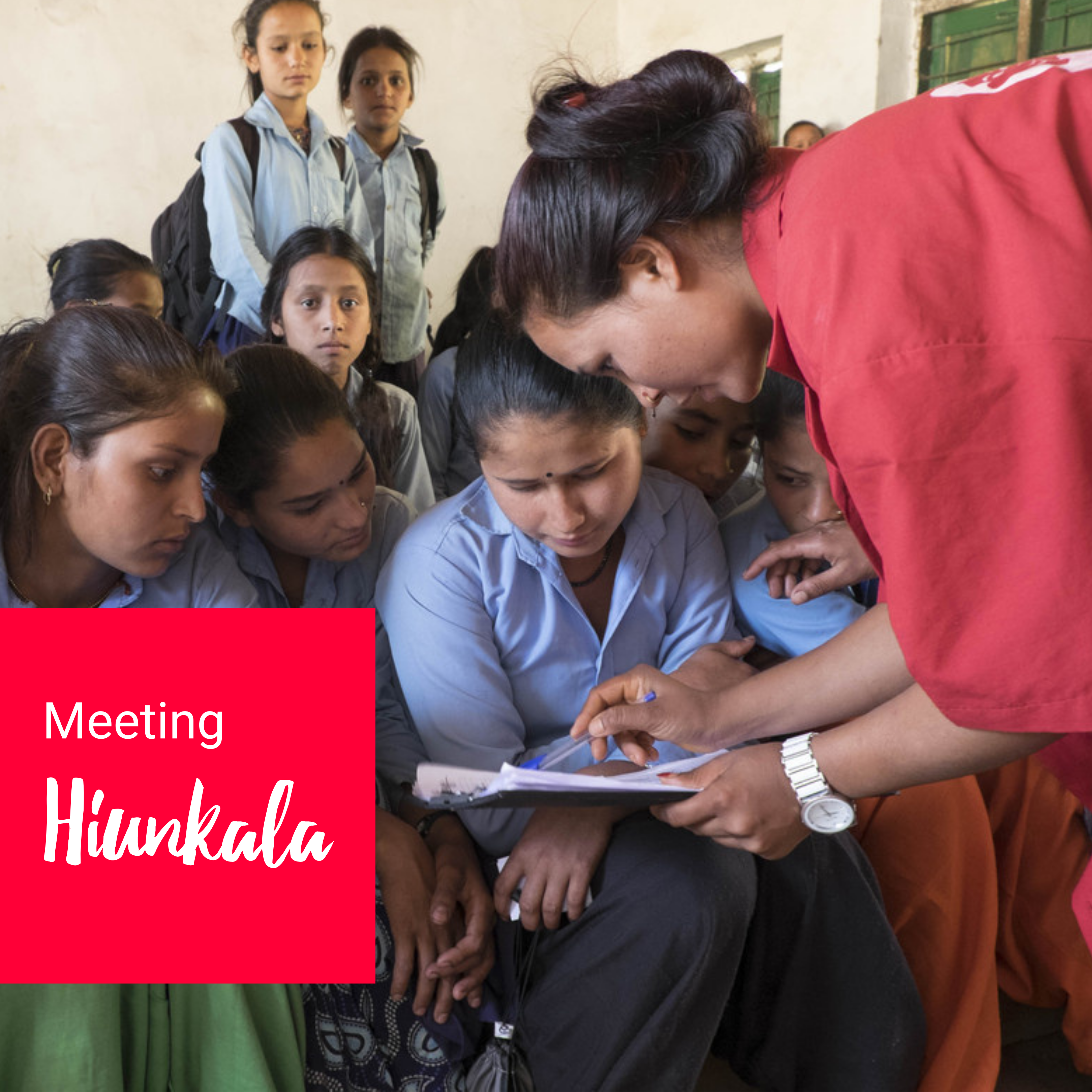
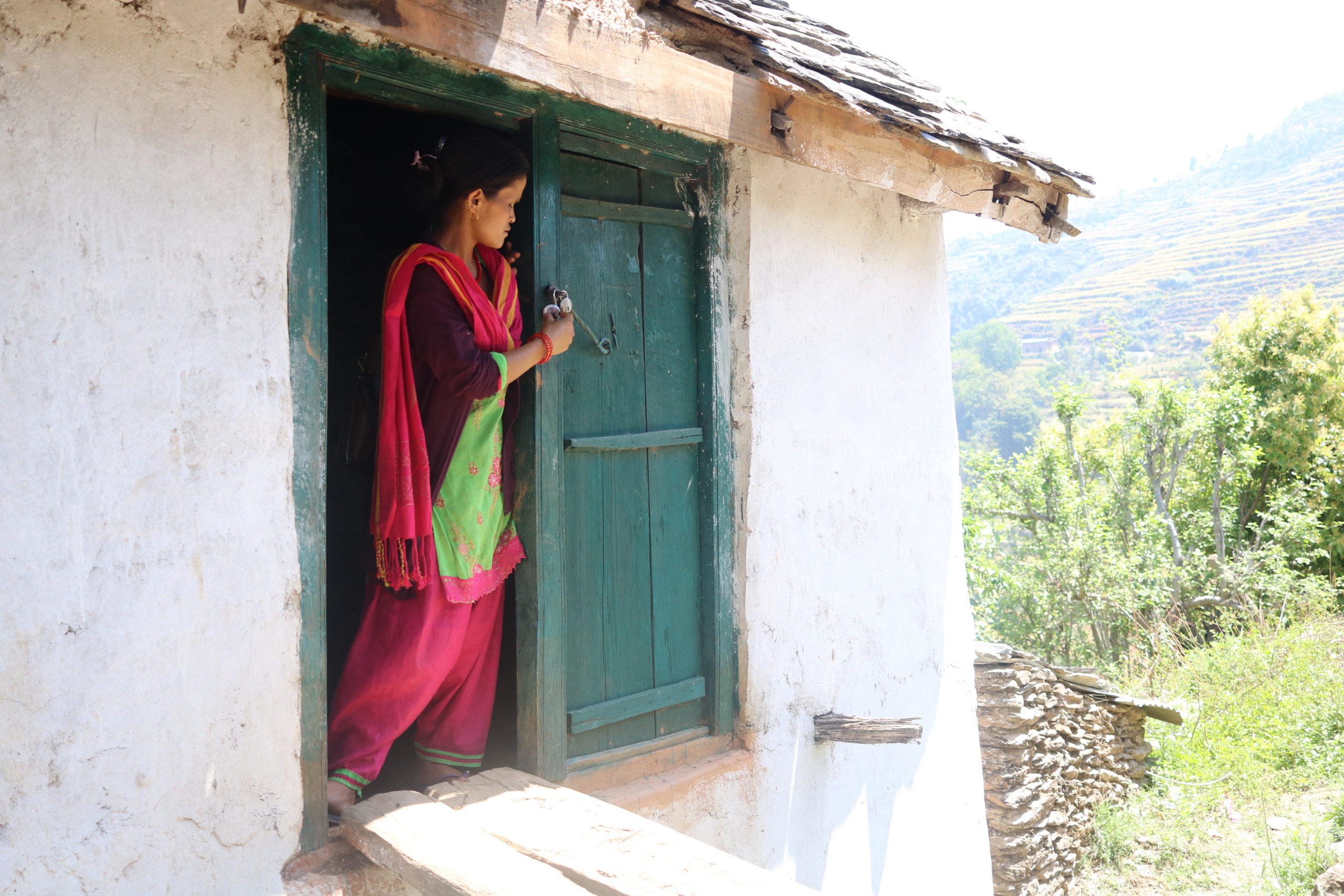
    In a town called Toshi, located in the Sudurpaschim province of Nepal (far-west) we meet Hiunkala Chalaune. Hiunkala lives with her father, mother, brother and sister and has been working as a trainer in the Rato Baltin project for more than a year.

    Before participating in the project, Hiunkala felt that she used to wish for things that would never come true and had the feeling that she did not understand many things. Her maturity began with her first period. She wondered what menstruation was and asked her mother why they couldn’t stay inside the house during menstruation. Her mother replied that it was the tradition that they followed since the day of their ancestors and could not be changed. Hiunkala suffered a lot every time she had to comply with the tradition, and she wondered if she could change people’s minds. At the time, she was not feeling very strong emotionally, and speaking in public or participating in a discussion was very uncomfortable for her.

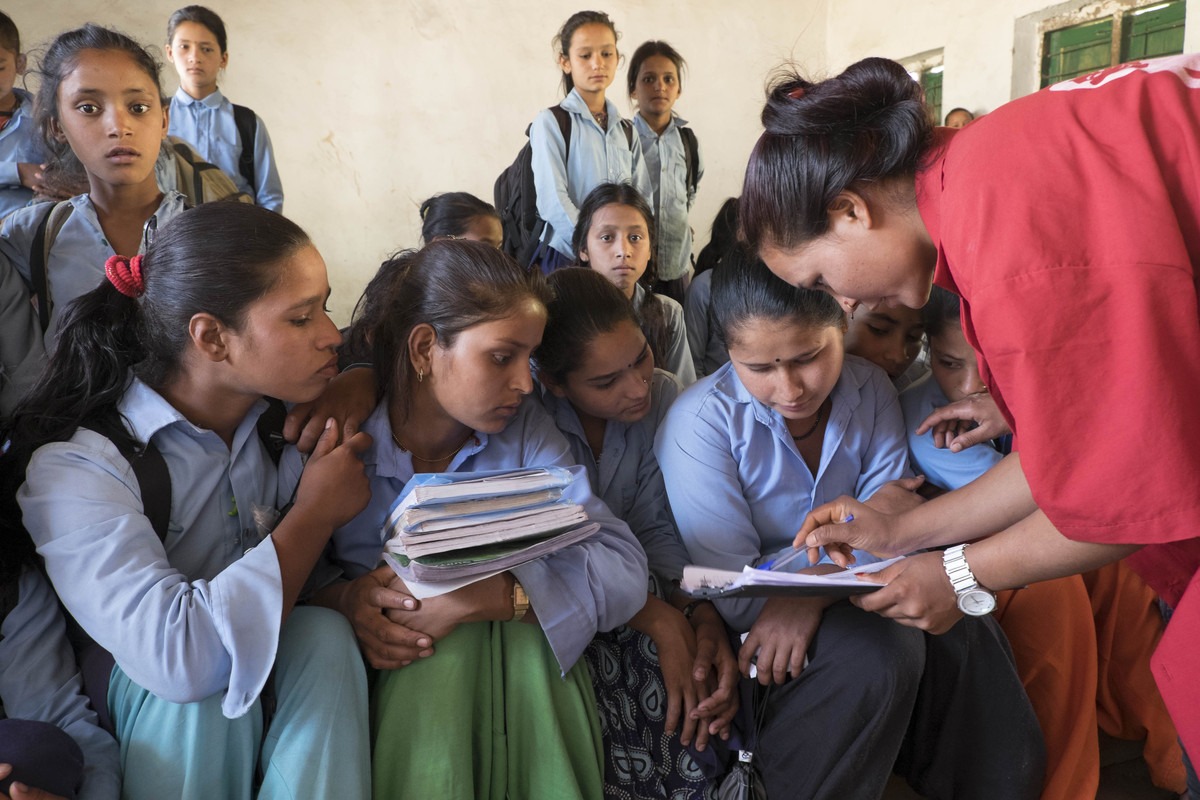
    This all changed when she joined the project. Hiunkala is more secure now and shares her knowledge about the work they do, and other issues with her parents and in front of any person or group of people regardless of their hierarchical position in society without losing confidence in herself. One of the challenges she had to overcome by January 2019 was to give talks in schools and to politicians, and register everything. Her work was impeccable.

    When Clara (CEO of be artsy) met her in September 2018, she thought it would be very difficult to help her overcome her shyness, but in less than a year her shyness disappeared and now she is undoubtedly one of the best trainers.

    By Carmen Alcañiz. Corrections by Sophie Watson,
    photos by Eleonora Bordogni and Clara GO.

    We need your help, please. Make your donation to the Rato Baltin and Edufem projects today.

    Crowdfunding: https://www.migranodearena.org/reto/21328/contra-el-chhaupadi-la-tradicion-nepali-que-exilia-a-las-mujeres-durante-la-menstruacion

    Teaming (1 euro/month)
    RatoBaltin: https://www.teaming.net/ratobaltinproject
    Edufem to prevent early marriage: https://www.teaming.net/edufemproject

    Associate: – https://beartsy.org/associate

    Donorbox:
    –https://donorbox.org/againts-chhaupadi
    –https://donorbox.org/edufem
    Covid19🦠 https://donorbox.org/mask-4-health-nepal

    Thank you!

  • New virtual exhibition ‘Menstruation in Nepal, a cultural torment’

    New virtual exhibition ‘Menstruation in Nepal, a cultural torment’

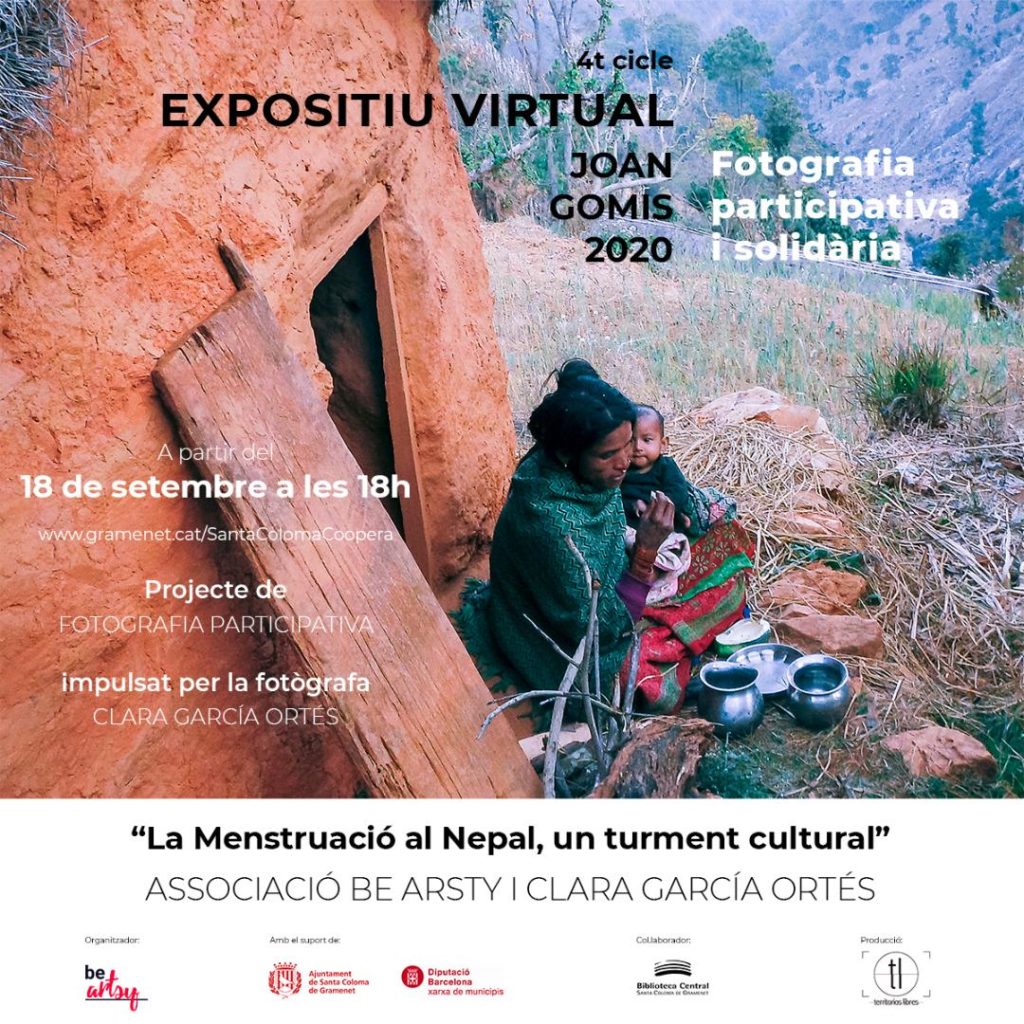
    Participatory and solidarity photography is one of the axes of be artsy. As part of the work to raise awareness about the reality of women and girls in Nepal, where be artsy is working to eradicate chhaupadi, now the City of Santa Coloma de Gramenet, through its Cooperation Department and with the collaboration of Territorios Libres, has created the virtual exhibition ‘Menstruation in Nepal, a cultural torment’.

    It is part of the 4th Joan Gomis 2020 Cycle, and we will also see an interview with Clara Garcia i Ortés. It will be shown on Friday 18.09.20 – 18 h, we are waiting for you! ▶️  https://www.gramenet.cat/SantaColomaCoopera/

    We need your help, please. Make your donation to the Rato Baltin and Edufem projects today.

    Crowdfunding: https://www.migranodearena.org/reto/21328/contra-el-chhaupadi-la-tradicion-nepali-que-exilia-a-las-mujeres-durante-la-menstruacion

    Teaming (1 euro/month)
    RatoBaltin: https://www.teaming.net/ratobaltinproject
    Edufem to prevent early marriage: https://www.teaming.net/edufemproject

    Associate: – https://beartsy.org/associate

    Donorbox:
    –https://donorbox.org/againts-chhaupadi
    –https://donorbox.org/edufem
    Covid19🦠 https://donorbox.org/mask-4-health-nepal

    Thank you! 😊

  • The widows of Achham, the women most in need of food aid in Nepal in situation of covid-19

    The widows of Achham, the women most in need of food aid in Nepal in situation of covid-19

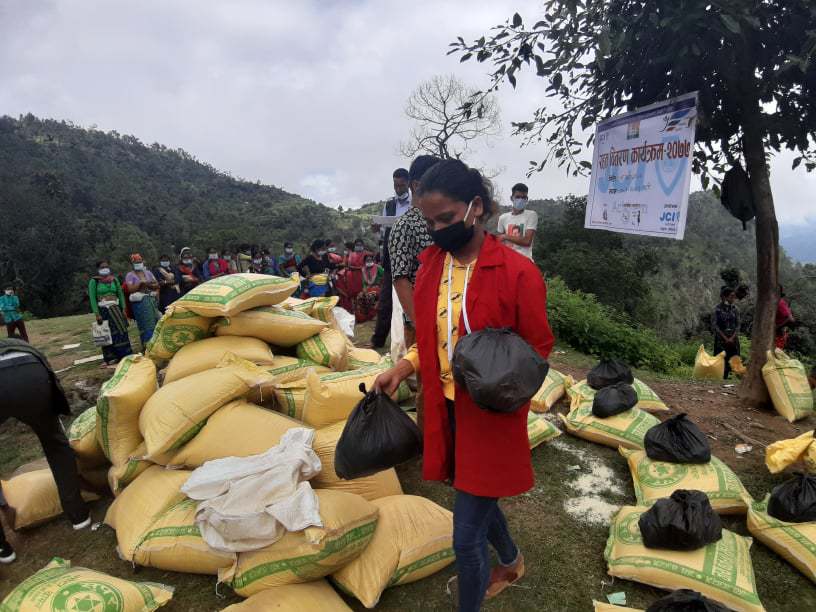
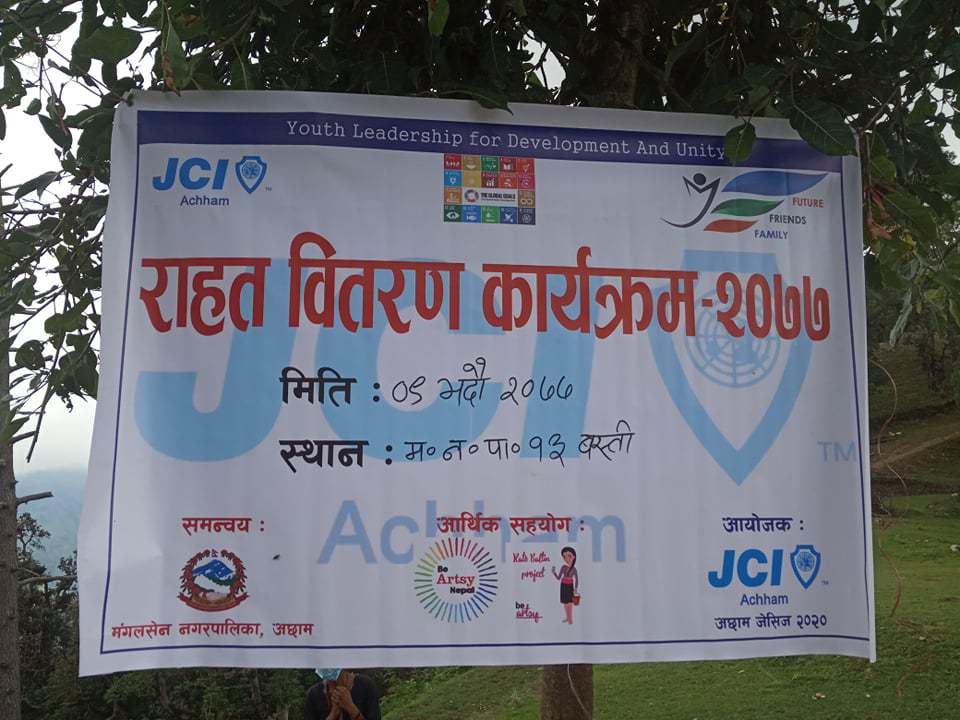
    We are conducting a food distribution project. We started in Basti: during the execution of the Mask4Health project we learned that there is a higher need for women: in the maintenance of the house run by widowed women with children, they haven’t anything to eat. We work with an Achham NGO and our coordinators Manisha and Tejana were helping with the execution of the project; and our partner Be Artsy Nepal organized everything from Kathmandu.

    Basti is the first village that we worked in 2017, and we have been there several times. Tejana, our Coordinator, is from this municipality. It is not possible to arrive to Basti by jeep. Jeeps usually can get to a halfway point named PichiBanda, and from there it is another 2 hours walk to Basti (minimum). The jeep from the municipality could not reach the meeting point because of the muddy road. We have already had this problem several times while going to Basti. Our partners from Achham and the municipality had to bring all the food by tractor to PichiBanda.

    View this post on Instagram

    A post shared by be artsy – Rato Baltin Project (@ngobeartsy) on

    In Basti, the Mask4Health project is still not finished (we still don’t have all the money needed) and women have not their reusable masks, so we provided every one with a surgical one, and we asked everybody to keep 6 feet distance and hand washing. You can read this small great project – Food4Needed – with its cost here, and become part of it.

    View this post on Instagram

    A post shared by be artsy – Rato Baltin Project (@ngobeartsy) on

    In PichiBanda, the widowed women were waiting and the team gave the food relief to them, for 100 households. We keep on working for two more villages.

    By Clara Garcia i Ortés, photos by Manisha Nath, Tejana Khanal and JCI Achham for be artsy.

    We need your help, please. Make your donation to the Covid-19 project today.

    Machtfunding: #Covid19🦠 https://www.migranodearena.org/reto/-mask4health-luchemos-contra-la-covid19-en-nepal-con-mascarillas-reusables-jabon-informacion
    Crowdfunding: http://bit.ly/RatoBaltin2020

    Teaming (1 euro/month)
    RatoBaltin: https://www.teaming.net/ratobaltinproject
    Edufem to prevent early marriage: https://www.teaming.net/edufemproject

    Associate: – https://beartsy.org/associate

    Donorbox:
    –https://donorbox.org/againts-chhaupadi
    –https://donorbox.org/edufem
    Covid19🦠 https://donorbox.org/mask-4-health-nepal

    Thank you! 😊

  • Edufem Project report

    Edufem Project report

    It is very common for the girls in Achham, a remote zone in far-west Nepal, to be out of the school system because of the financial situation of the families – most men have to go to India to work and the daughters are asked to stay at home to help with the household chores and field work-. For the same reason, underage marriage is still prevalent in this part of Nepal. Because of lack of awareness and superstitious beliefs, parents don’t hesitate in marrying their teenage daughters. For those adolescent girls, marriage can seem to be the only option to change their lives because they haven’t grown up in an environment where they are encouraged to study and go to school.

    The EDUFEM project was established in the year 2018 to help girls from Achham to continue their education for their better future, and so they would stay in school. Our objective is to give opportunities to teenagers to stay in high school and eventually attend college.

    We provide them with the education fees (tuition, stationery, etc.), a room for them to stay as well as food and elements for their basic needs. As they will be in an environment where they can focus on their studies, they will be able to perform in school and won’t have the pressure of being a burden for their parents. Since English is not compulsory in Government schools, we also provide extra English classes so that they can improve their language skills. Our management team in Kathmandu will keep regular contact with them in order to check their progress and help them in any situation they may face.

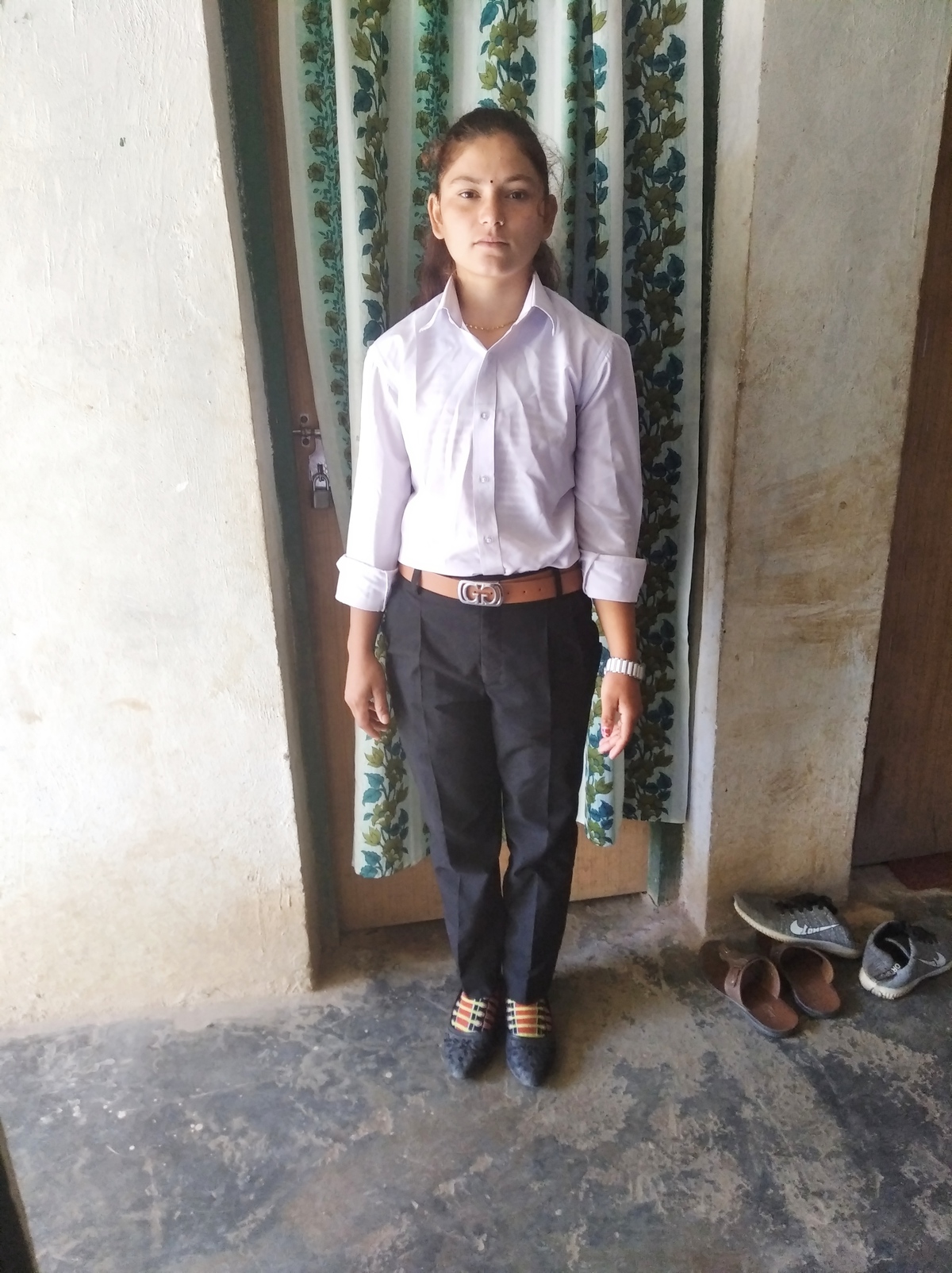
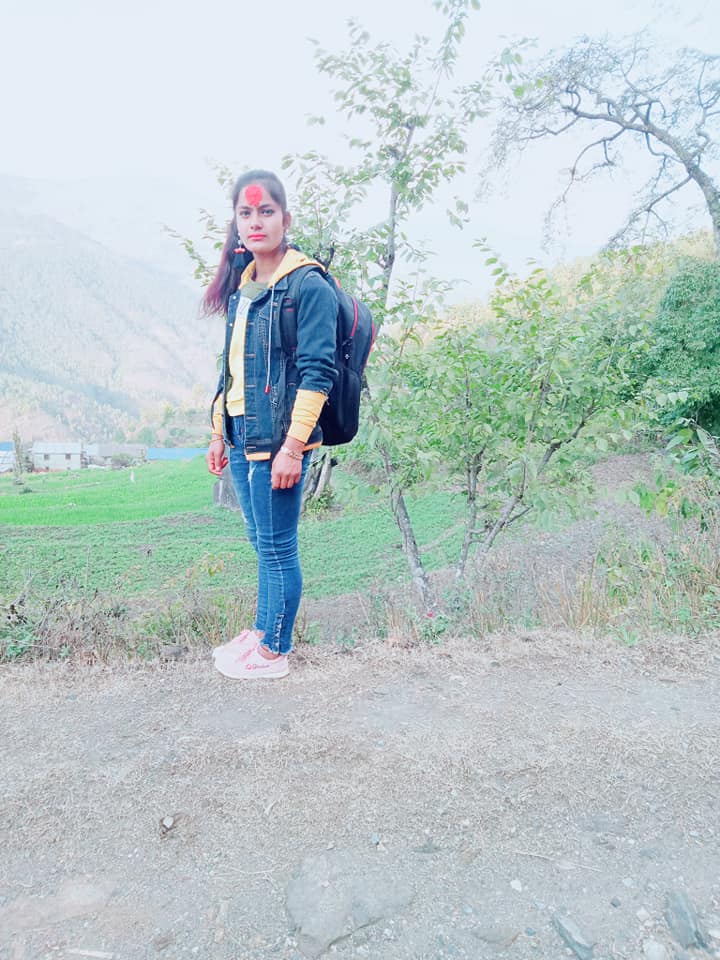
    In this report we explain the situation of the project and the budget for  sponsor them. And how Manisha Nath and Tejana Khanal, the beneficiaries in the 2018-2020 period, have developed their studies. Both  have chosen to study staff nurse. The cost is 6,000 euros, so they are deciding which studies they will take in other possibilities such as a bachelor’s degree, after they finish high school. They are also coordinators and mentors for our Rato Baltin Project.

    In the period 2019-2020, the beneficiaries are Tulashi Bhandari, Manisha Bhandari, Kamala Bhandari and Sangita Nath. they were mentors in the implementation of the Rato Baltin project during 2019, being free and independents as roommates in their own apartment in Mangalsen, being free and independent: is a new experience for those four young women. Their major subjects are journalism, accounting, Nepalese literature. According to their teachers, they have made progress in their studies. Because of the COVID-19 pandemic, they had to go back to their parents’ house during lock down, from March 22nd to June 15th. In the remote areas where their villages are located there isn’t internet or electricity, so online classes were not an option.

    You can become part of the Edufem Project and help them to have a better future. To them and also to the girls whom they can help.

    Text by Rupa Pandey.

    There are several ways in which you can get involved with our projects and help girls in Achham:

    Teaming Group: 1 euro a month – become part of Rato Baltin Project!

    Teaming Group: 1 euro a month – become part of the team and get your friends to help you sponsor her and avoid early marriage with our EDUFEM project!!


    Regular donation: to https://donorbox.org/againts-chhaupadi

    Become a member: https://beartsy.org/associate/

    🙂 Thanks!
  • Can you help us to achieve #T2M Matchfunding with #Masks4Health?

    Can you help us to achieve #T2M Matchfunding with #Masks4Health?

    We have a new crowdfunding. We have been offered an opportunity to which we have not been able to say no! I tell you: the crowdfunding platform ‘Migranodearena’ Foundation has offered us to join the Matchfunding #T2M‼ 🎉🎊

    And you will wonder 🧐 and what is it? 🙂 That is the opportunity to get 1,500 euros extra 💰, if we complete this new crowdfunding in a few days. ⏲️ In addition, we have created it so that you can have a gift with your donation! 🎁

    There are Thank You gifts for all the people who support us, related to Nepal, the project or Asia in general. And what will we use the money for if we get it? Well, to help the communities where we work to protect themselves from the Covid-19 as we protect ourselves here: With masks, soap and information on what has worked here and what has not. They do not have a health system like the one we have here and when winter arrives all communities must be very protected! With the 2018 (+ 1,500 of the Matchfunding # T2M) we will pay for the materials needed for local women to sew masks with the project #Masks4Health (Masks for health).

    The challenge: our crowdfunding at  https://www.migranodearena.org/en/cause/-mask4health-let-s-fight-covid19-in-nepal-with-reusable-masks-soap-information