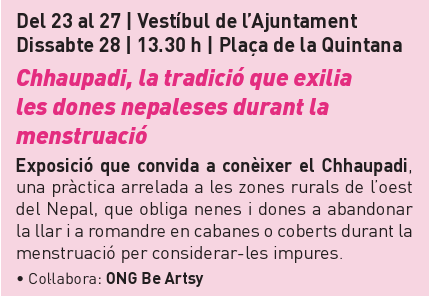
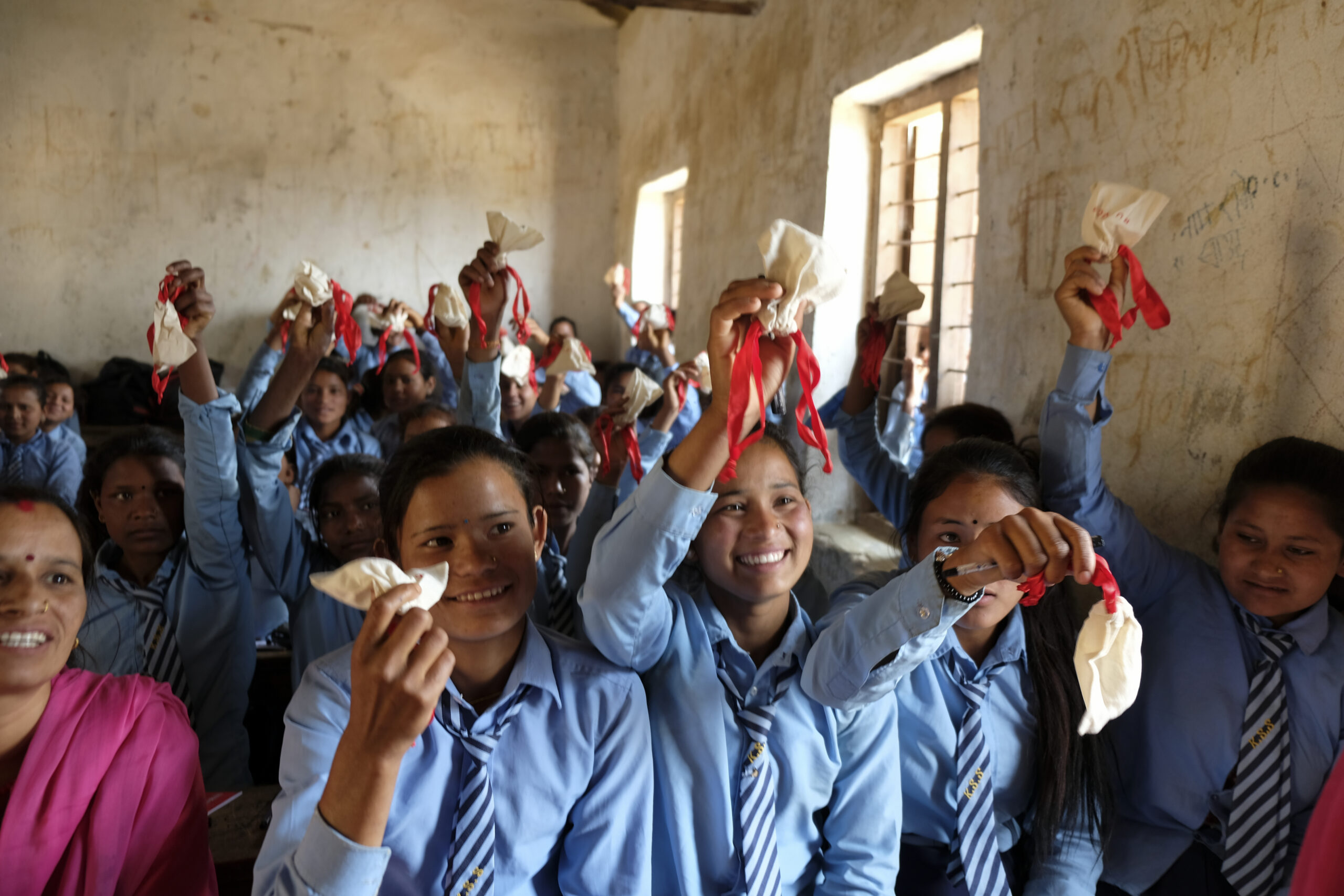
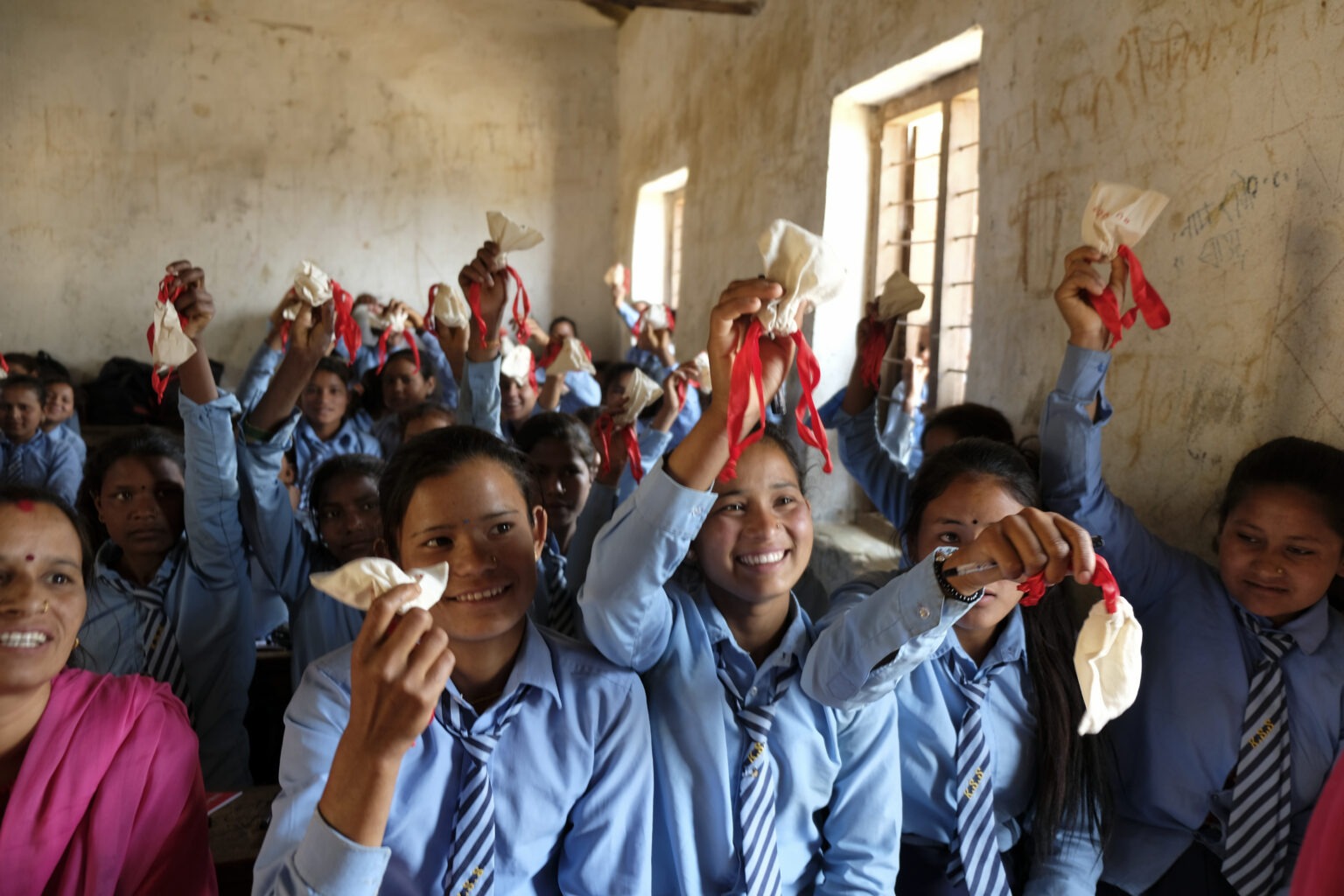
We will be in Montmeló this November to mark 25N, the International Day for the Elimination of Violence against Women. From 23 to 27 November 2026, the foyer of Montmeló Town Hall will host our exhibition “Chhaupadi, the tradition that exiles Nepali women during menstruation”.
The exhibition brings us closer to the lives of girls and women in rural western Nepal, where Chhaupadi is still practised. This tradition considers them impure during menstruation and can force them to leave their homes and sleep in huts, sheds or other isolated places.
The photographs on display were taken by the girls who attend our participatory photography workshops. Through their images, they share their own surroundings, experiences and perspectives. Their stories are told through their own eyes.
be artsy celebrates its tenth anniversary this year, and in February 2027 it will be ten years since we launched Rato Baltin in Nepal. We have spent almost a decade working alongside communities to advance girls’ and women’s rights, improve menstrual health and challenge discrimination associated with menstruation.
Meet us at the Solidarity Fair on Saturday 28 November!
On Saturday 28 November, from 10 am to 1:30 pm, we will also take part in Montmeló’s Solidarity and Cooperation Fair at Plaça de la Quintana.
Clara Garcia Ortés, co-founder of be artsy, will be there together with other volunteers from the association.
We would love to meet the people of Montmeló, answer your questions about our work in Nepal, explain how we work with local communities and share what the Rato Baltin project has achieved over the years.
It is an opportunity to talk about menstrual health, women’s rights and how we can help bring about change together, even from thousands of kilometres away.
Come and see the exhibition, and join us at the square on Saturday!
Thank you to Montmeló Town Council for helping us make this still too little-known form of violence against women visible.
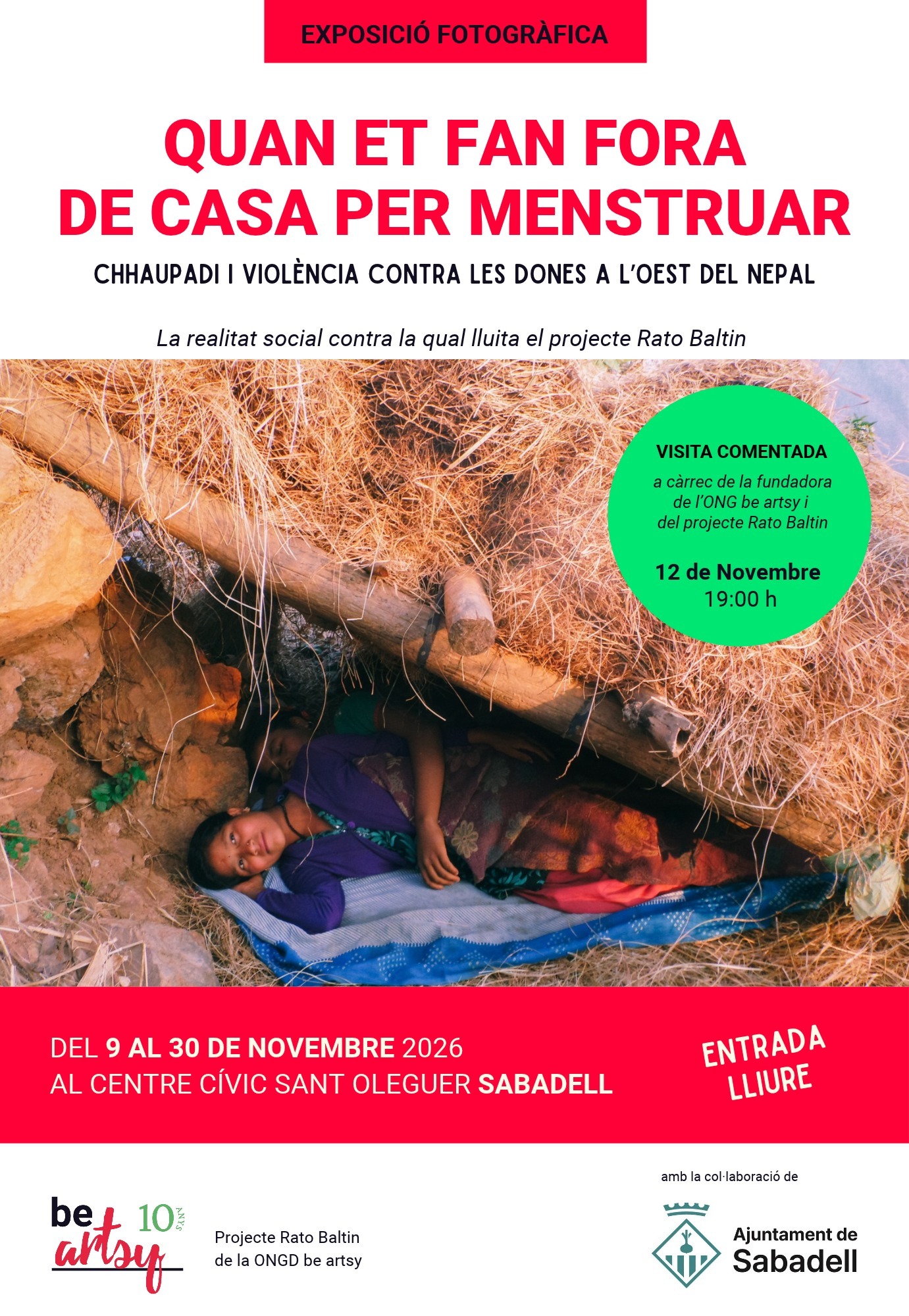
We are delighted to present an exhibition we have wanted to share for a long time. Finally, from 9 to 30 November 2026, you can visit it at Centre Cívic Sant Oleguer in Sabadell, as part of the activities marking 25 November, the International Day for the Elimination of Violence against Women.
Under the title “When you are forced out of your home for menstruating. Chhaupadi and violence against women in western Nepal”, we invite you to learn about the social reality we work to transform through the Rato Baltin project.
The photographs bring us closer to the experiences of girls and women, the restrictions they face during menstruation and the changes they want to bring about. Many of the images were taken by the girls who participate in our participatory photography workshops: they share their own perspectives and show what they want to change.
The exhibition also offers a glimpse into the work of Rato Baltin, which combines menstrual and sexual education, participatory photography and work with communities to uphold the right to experience menstruation with health, dignity and freedom.
Join our guided tour on 12 November
On Thursday 12 November at 7 pm, we will hold a guided tour with Clara Garcia Ortés, founder of the Rato Baltin project and one of the founders of be artsy.
We will share the stories behind the photographs, explain how we work with the girls and communities, and make space for conversation and questions.
Exhibition: 9–30 November 2026 Venue: Centre Cívic Sant Oleguer, Sabadell Guided tour: 12 November at 7 pm Free admission
This exhibition is supported by Sabadell City Council, which also co-funds the Rato Baltin project in Nepal.
We often share the results of our projects: how many people have participated, how many schools we’ve reached, or what we’ve achieved. But what about everything that happens before, during and after? Today, I want to talk about the part of running a small NGO that rarely makes it into photographs or annual reports.
Behind every project, there are endless hours of work
When you follow be artsy, you usually see photographs of our menstrual educators working in schools in Nepal, women sharing experiences, menstrual health workshops, or new initiatives taking shape. And that’s important. We want you to know what we’re achieving together.
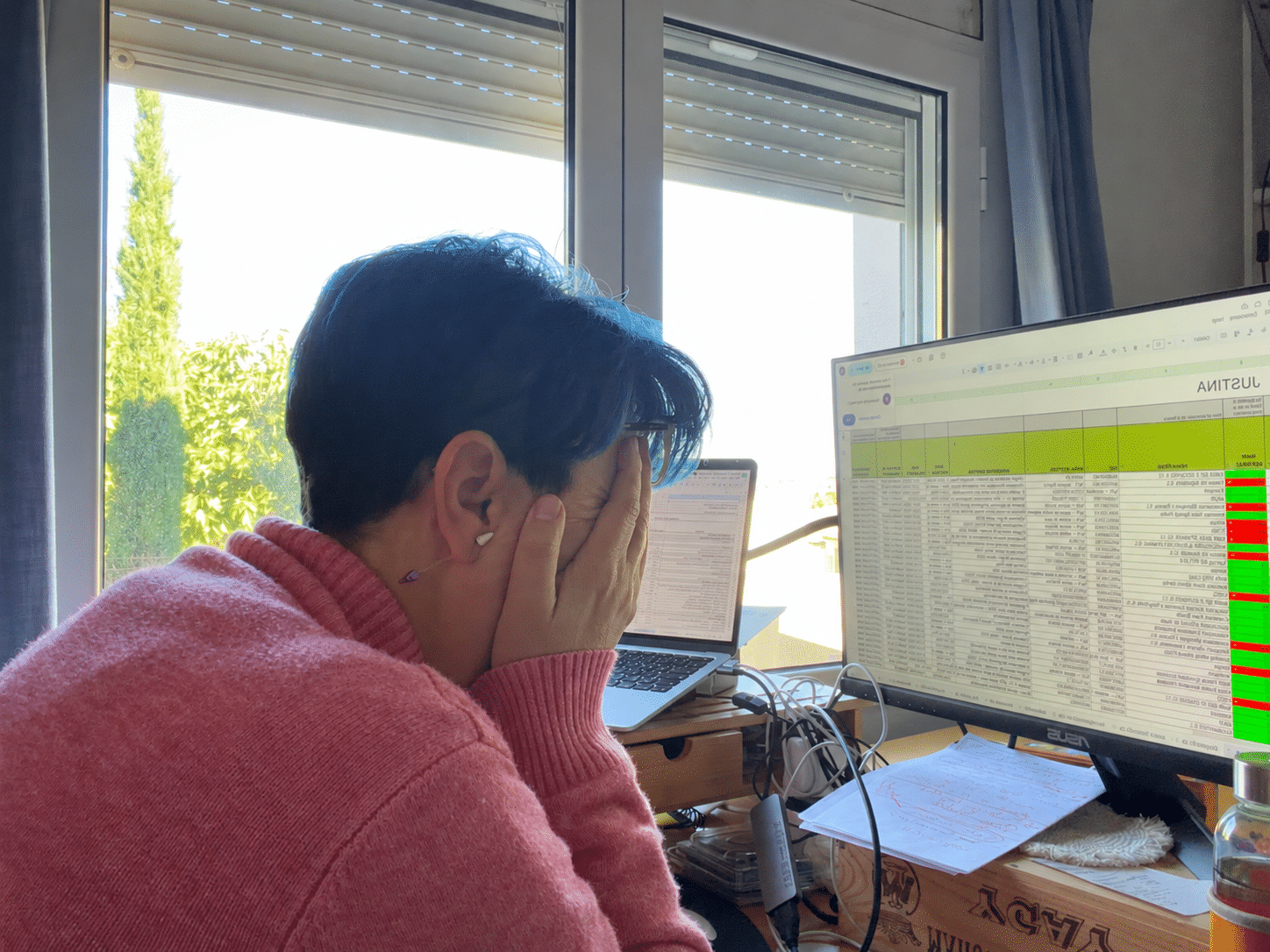
But today, I want to show you something different. The spreadsheets. The grant applications. The budgets. The invoices. The reports. The emails that never seem to end. And the hours spent trying to find enough funding to keep everything running.
Sometimes I spend days, even weeks, preparing a funding application. Reading guidelines, adapting budgets, collecting documents and explaining, once again, why our work matters. And then an email arrives: Unfortunately, your proposal has not been selected. All that work, and no funding. So we start again.
Not because we enjoy filling in forms, but because without that work, there may be no workshops, no follow-up visits, no educational materials and no salaries for our local team. Before we can talk about impact, someone has to make that impact possible.
Volunteering doesn’t always mean working for free. Sometimes it means paying to work.
This is another reality we rarely talk about. Behind be artsy, there are volunteers who give their time, professional skills and energy. But there are also people who pay expenses out of their own pockets.
Travel, materials, small purchases, unexpected costs. Things that need to be done or paid for, even when there isn’t enough money available. And sometimes we simply cover those expenses ourselves.
I’m not sharing this because we want applause. Quite the opposite. I don’t think an organisation should have to depend on volunteers spending their own money to keep it going. And I certainly don’t believe that caring about a cause should require financial sacrifice.
But this is part of the reality of running a small NGO, and pretending it doesn’t happen doesn’t help anyone understand how we work. Volunteers are essential. But volunteering should never become an excuse for making people’s work or expenses invisible.
Meanwhile, in Nepal, the work never stops
While I’m working on budgets, applications and reports in Catalonia, our colleagues at Unnati are doing another enormous amount of work in Nepal.
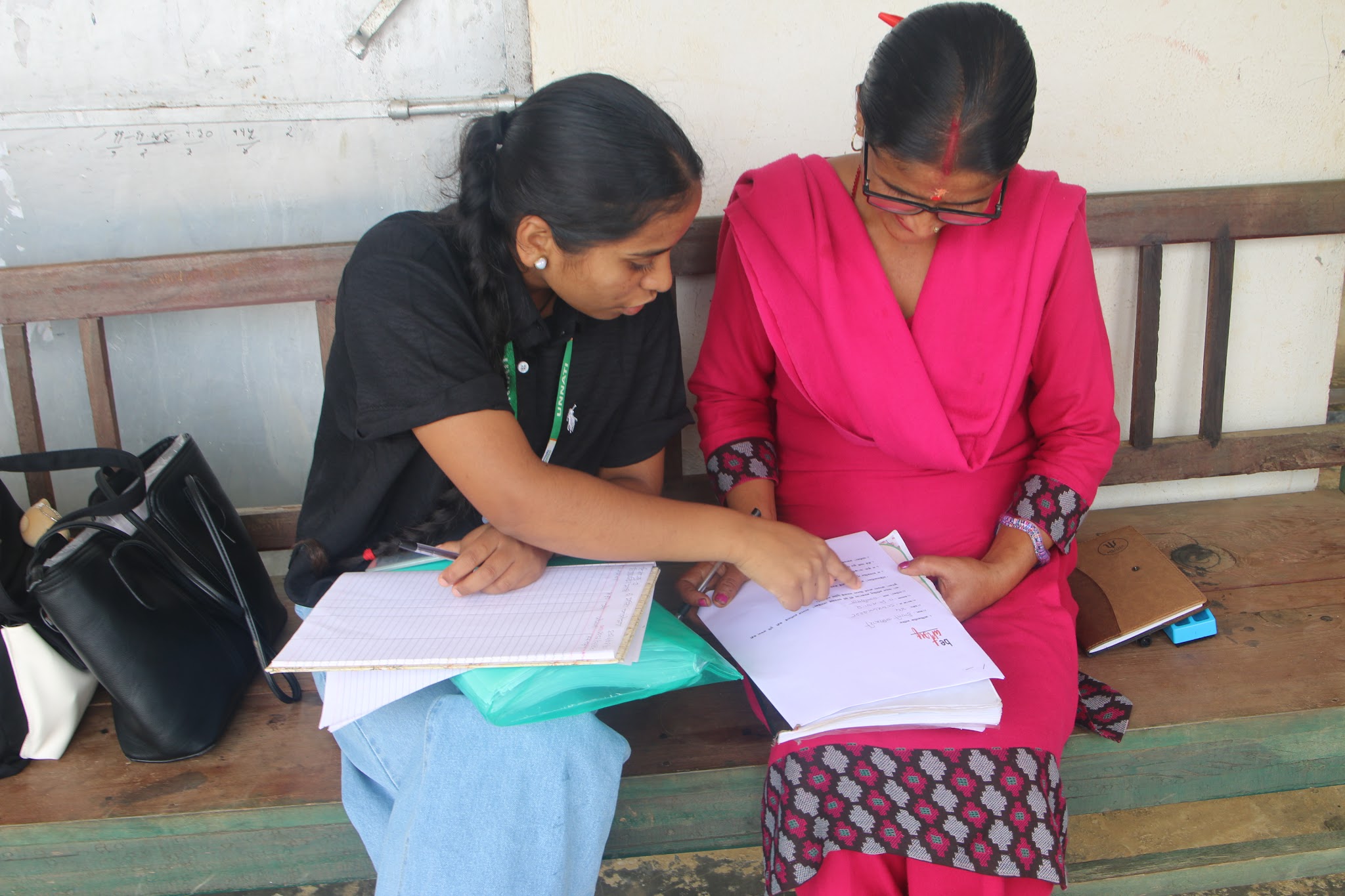
Behind every activity, there is planning, paperwork and coordination in Nepal too.
Coordinating with schools and communities. Organising activities. Preparing educational materials. Managing the team. Keeping records. Preparing financial reports. Solving problems that nobody could have predicted.
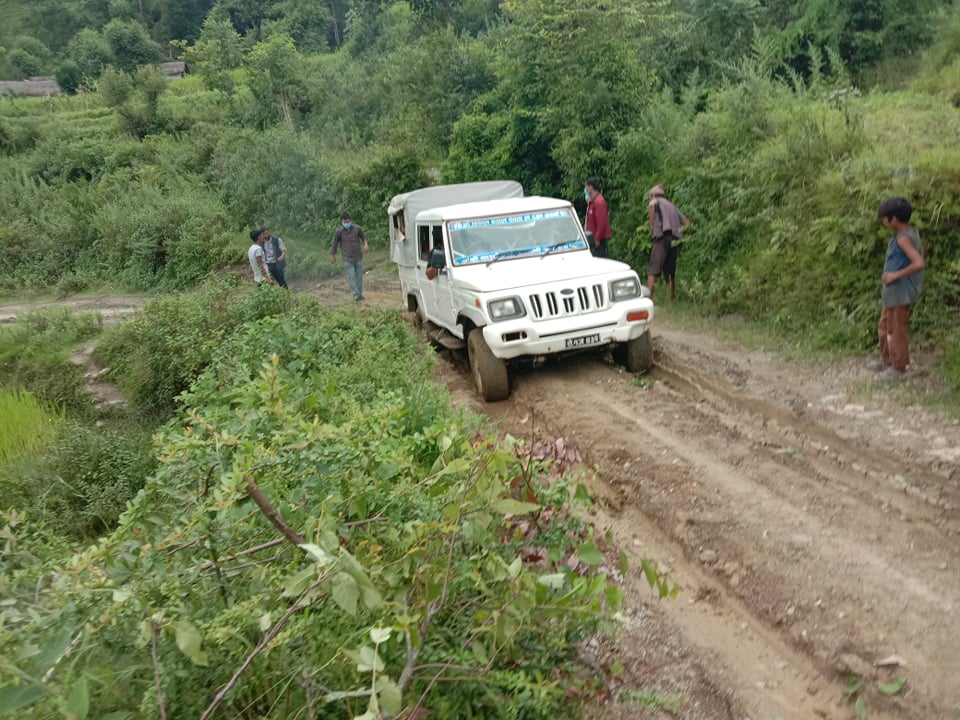
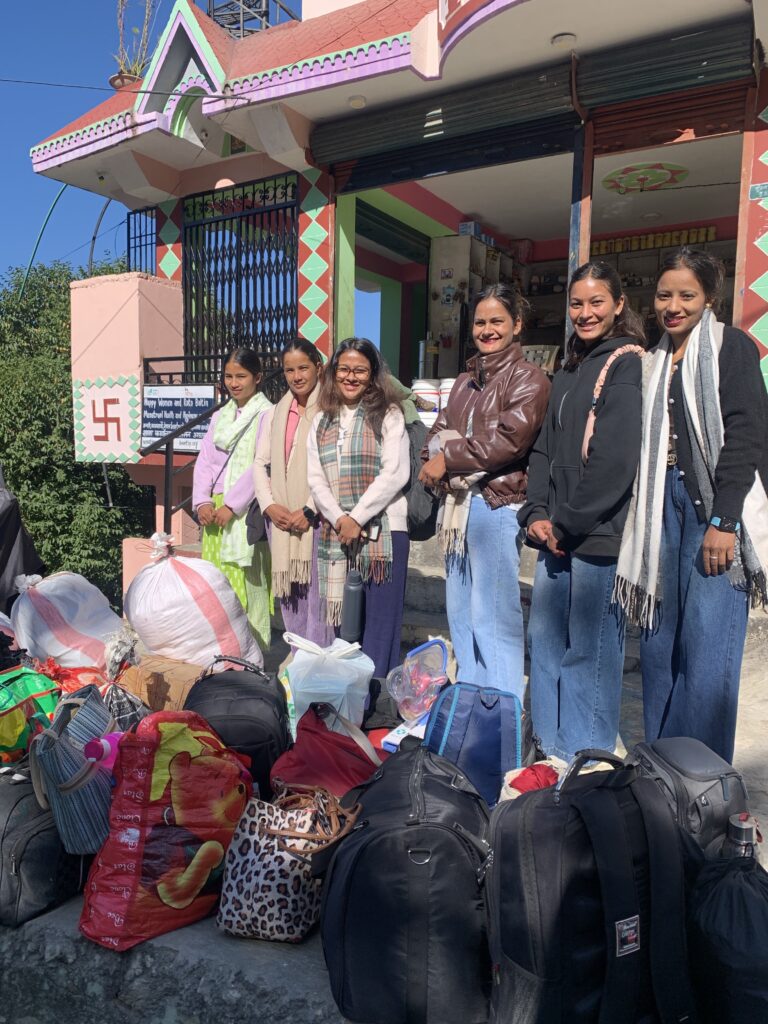
And then there is the travelling. Working in the rural areas of Achham means dealing with difficult roads, long journeys, landslides, unpredictable weather and vehicles that don’t always make it to their destination as planned.
Getting to rural communities isn’t always straightforward.
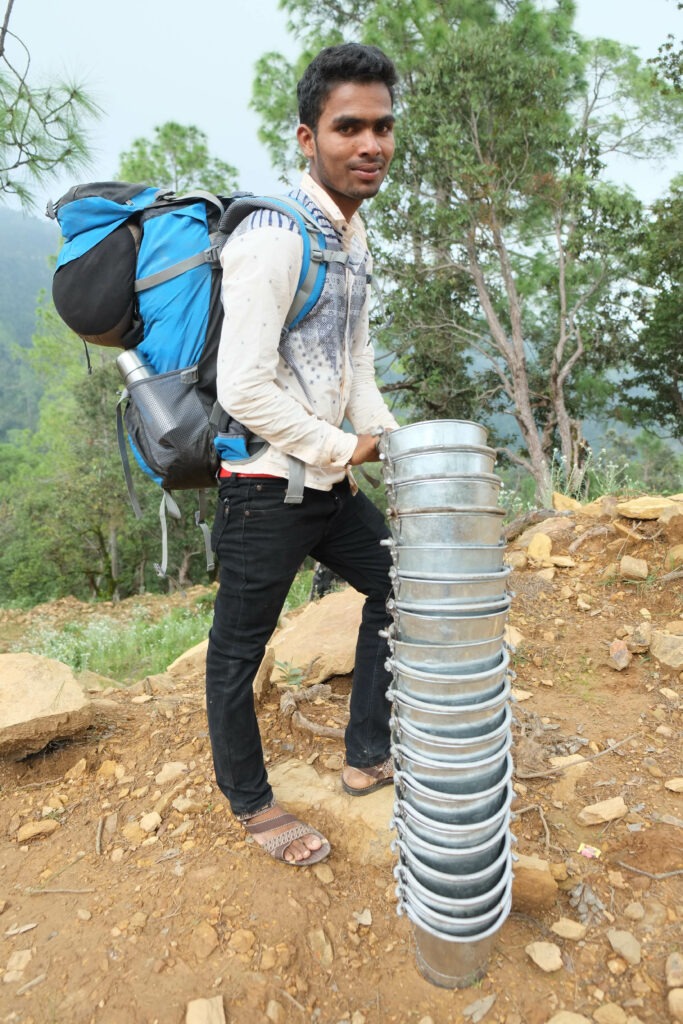
Sometimes transporting materials is an adventure in itself.
Even transporting materials can be a challenge.
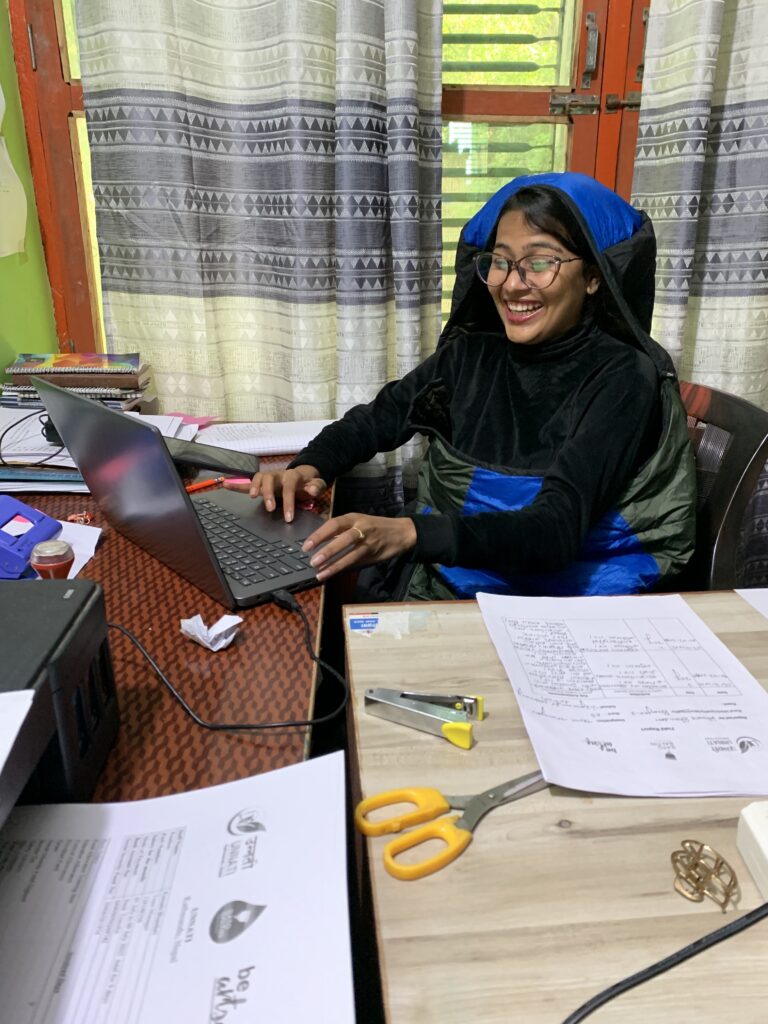
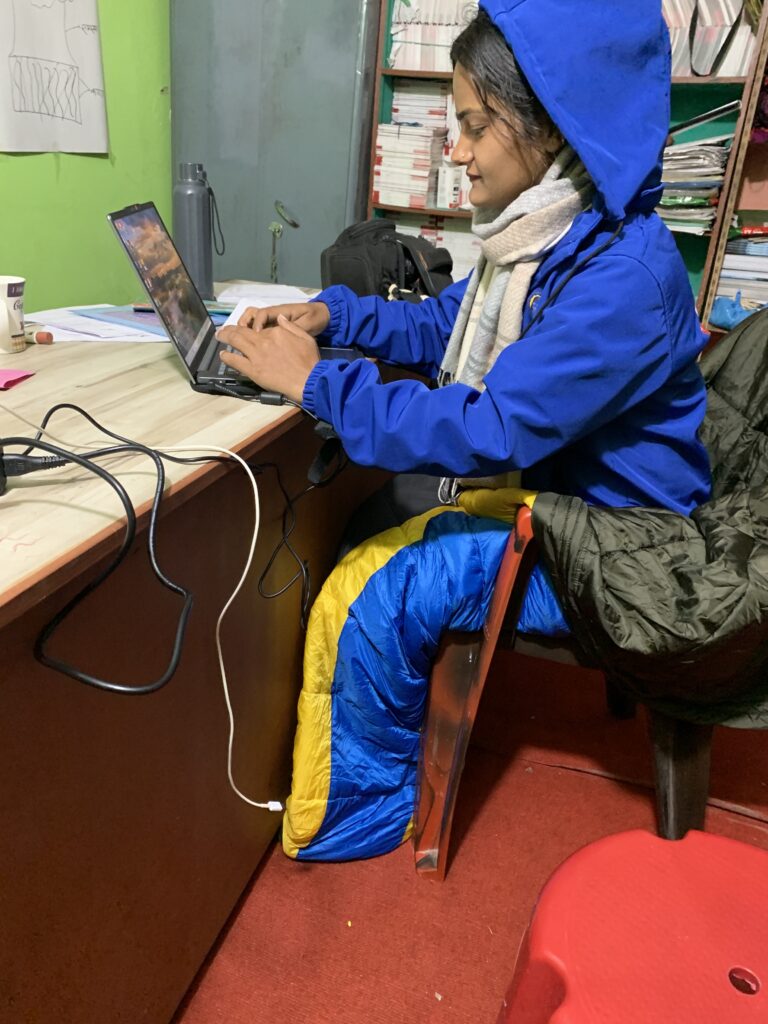
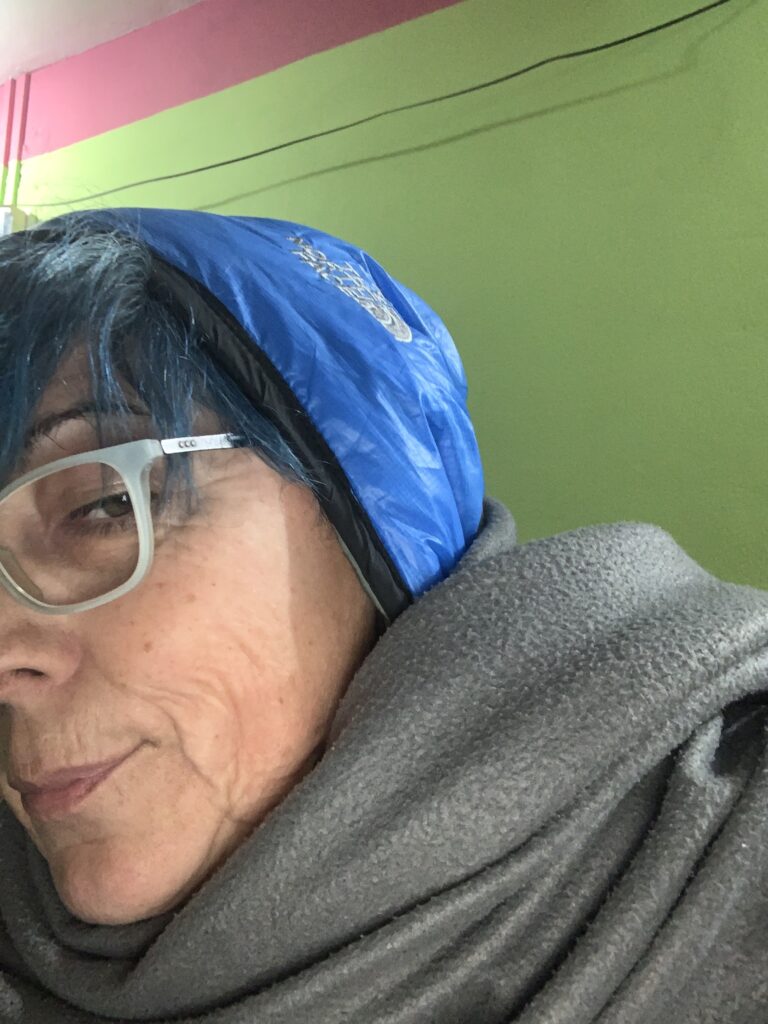
And then there’s the cold. Yes, we have actually worked on our laptops wrapped inside sleeping bags because it was too cold to sit at a desk without them!
When it’s so cold that sleeping bags become office equipment.The less visible side of fieldwork: finding ways to work in the cold.
These situations sometimes make us laugh afterwards. But they are also part of the real working conditions behind our projects. When you see a photograph of a menstrual education workshop, you don’t see everything that had to happen before the educators could arrive at that school. The journey, the planning and the coordination are also part of the project.
Not everything goes according to plan
We also make mistakes. Sometimes an activity needs to be postponed. A budget doesn’t work out. A grant application is rejected. A report arrives late. A road becomes impassable. Or we have to change our plans because the reality on the ground has changed.
And sometimes we simply don’t know whether we’ll have enough funding to do everything we had planned. This is something I think NGOs should talk about more often.
We’re used to sharing success stories. Projects completed. Numbers achieved. Positive results. But cooperation isn’t a straight line from a good idea to a beautiful photograph and an impressive number.
It’s a continuous process of learning, adapting, negotiating, trying again and taking responsibility for the decisions we make. And being transparent should mean explaining that process, not just presenting the final results.
Ten years of be artsy. And so much that we haven’t told you.
This October, be artsy celebrates its tenth anniversary. Over these ten years, we’ve shared countless stories about Rato Baltin, the communities we work with, our colleagues in Nepal and the changes we’ve witnessed.
But looking back, I realise that there’s an enormous part of our story that we haven’t shared enough. How we prepare a project before submitting it for funding. How we decide what we can afford to do. What happens when a grant is rejected. How much administrative work goes into justifying public funding. How our colleagues at Unnati manage the challenges of working in remote communities.
The local team, ready to travel with the materials needed for project activities.
And how many people, often quietly and without recognition, make all of this possible. I’d like us to start sharing more of these stories. Not just the results, but the process. Not just what works, but what doesn’t. Not just what we’ve achieved, but what it takes to get there.
Because understanding an NGO means understanding its everyday work, its limitations, its responsibilities and the people behind it.
Why regular support matters
There’s one more thing I’d like to explain. When people think about donating to an NGO, they often imagine funding a specific activity: a workshop, a menstrual cup, a school programme or a training course. And of course, those contributions are essential.
But projects also need coordination, administration, financial management, communications, monitoring and countless other tasks that are less visible. These things cost money too. And without them, the activities themselves wouldn’t be possible.
That’s why regular donations, whether small or large, make such a difference. They give us greater stability and help us plan beyond the next funding deadline.
You don’t have to become involved in the day-to-day running of be artsy to support our work. But if you’d like to get more involved, we’d also love to hear from you. Both forms of support matter.
After ten years, I still believe deeply in what we do. But I also believe it’s time to talk more openly about everything it takes to do it.
For ten years, we’ve been telling you what we’ve achieved. Maybe it’s time we also told you what it takes to achieve it.
Clara Garcia i Ortés Founder and President of be artsy
As the year draws to a close, we invite you to make your support a lasting commitment. A monthly or annual donation helps sustain our work with communities in Nepal and plan for what comes next.
A menstrual health workshop opens up conversations that may never have been possible before. But after that first day, we need to return to the school, answer questions, follow up and keep working with families and communities. Change takes time. And the teams supporting it need continuity.
This October, we celebrated ten years of be artsy. As we bring 2026 to a close, we want to thank everyone who has helped us get this far and explain what would help us most in the years ahead: more people choosing to support us through recurring donations.
What does a regular donation make possible?
One-off donations help us a great deal. But for an organisation like ours, with projects that continue over time, recurring donations are especially important.
Knowing what income we can count on helps us plan the next school year, provide stability for local teams and maintain Rato Baltin’s follow-up work. It also gives us more scope to sustain EduFem scholarships and our work supporting women’s economic autonomy.
There is work to do between one activity and the next: preparing materials, coordinating travel, listening to proposals from our team in Nepal, reviewing results and reporting on how funds are used. All of this is part of the projects, and it needs resources too.
Recurring donations help sustain this work and reduce our dependence on grant schedules and uncertain funding decisions. They allow us to plan with greater confidence and make decisions with a longer-term perspective.
Monthly or annually: what matters is continuing
You may find it easier to give every month. Or you may prefer to donate once a year. Both options help us build a more stable source of support.
You choose the amount: €5, €50, €500 or €5,000. Every contribution counts, and you can choose an amount that fits your circumstances. A scheduled donation makes it easier to include your support in your budget and keep it going without having to make a new donation each time.
If you already donate every year, you are part of this ongoing support too. And if you have made a one-off donation before and would like to take the next step, you can choose a regular contribution that works for you.
You decide how to get involved
You can be a recurring donor without taking part in the day-to-day running of the association. Your donation is already a valuable way to support our work.
And if you would also like to get more involved, share your skills or give some of your time, let us know. Both ways of supporting us are welcome.
As a donor, you will receive our year-end results, updates on our work and an invitation to the general assembly. We want you to know what your support makes possible and to decide for yourself how you would like to participate.
Your donation also qualifies for tax relief
be artsy is an association recognised as being of public benefit. If you pay personal income tax (IRPF) under the general tax regime in Spain, you can deduct 80% of the first €250 you donate each year across all eligible donations.
For example, a donation of €10 a month adds up to €120 a year. If that amount falls within the first €250 band and you can claim the full deduction, you could deduct €96, making the final cost €24 a year.
For the amount above €250, the general deduction is 40%, rising to 45% for sustained giving if the requirements are met. These benefits also apply to one-off donations; giving monthly does not, in itself, increase your tax deduction.
Legal limits and eligibility requirements apply. The Basque Country and Navarre have their own tax rules. We need your correct tax details. This information concerns taxation in Spain; tax treatment elsewhere depends on local rules.
Will you help us keep going?
If you are already a member or recurring donor, thank you for staying with us. Your contribution is already helping sustain this work. You can also help by sharing this article with someone who does not know us yet.
If you do not yet give regularly, the end of the year is a good time to start. Visit our tenth anniversary campaign and set up your recurring donation through Donorbox, choosing the amount that works for you.
If you have any questions or would like to get involved in the day-to-day work of be artsy, email us at info@beartsy.org.
We have reached ten years with so many people by our side. With you, we want to keep working for the rights, menstrual health, education and autonomy of women and girls in Nepal.
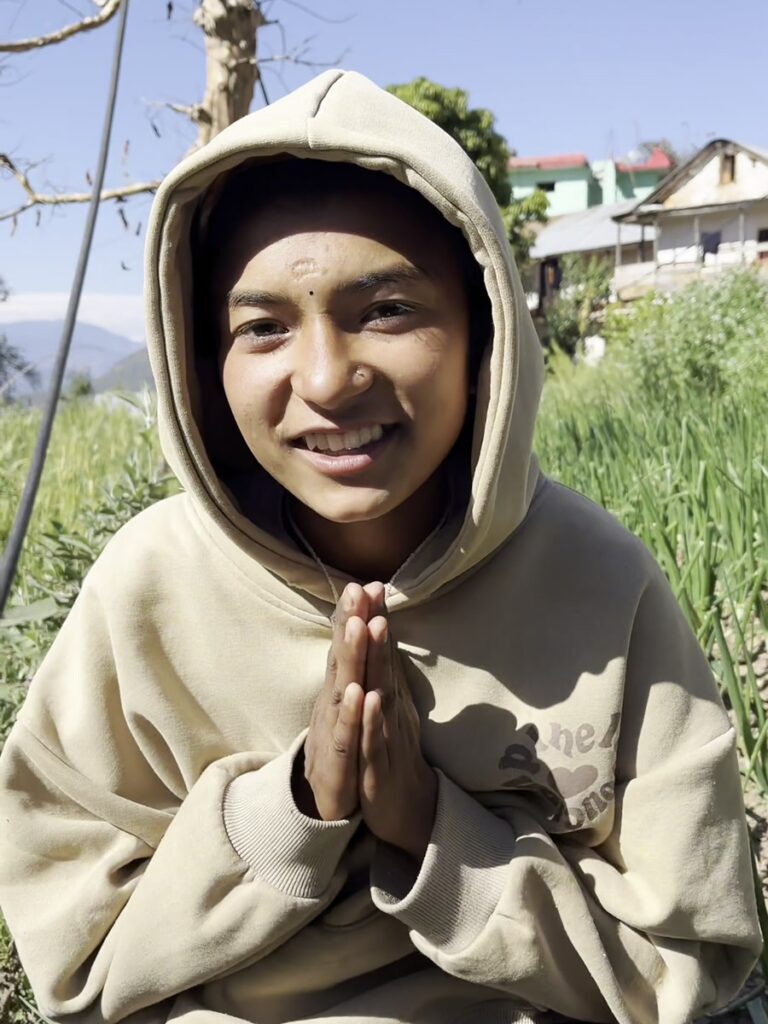
Diya plays football. And when she talks about how her experience of menstruation has changed, she remembers a match: she was able to play without worrying about her pad moving or staining her clothes. And she won.
In her testimony, this student from Mangalsen, in Achham district, describes an experience that goes beyond a menstrual product. She talks about the fears she grew up with, what she has learnt through Rato Baltin and the things she wants to keep doing.
Before taking part in the project, Diya followed the restrictions she had been taught at home and in her community. During menstruation, she could not touch certain utensils, animals or household objects. She feared something bad might happen if she did not follow the rules. Shame also made it difficult to join activities and talk about what she was going through.
Learning, trying and finding confidence
Through Rato Baltin’s training, she began to understand her body better. She learnt the importance of eating well, drinking clean water and staying in a clean place during her period. She also heard about the menstrual cup for the first time.
Trying it was not straightforward. The first time, she was afraid and could not manage it. She decided to try again on another occasion. At the time of the interview, she explained that she was already using it regularly and felt comfortable with it.
For her, one of the most concrete differences is on the football pitch. She used to worry about leaks and her pad not staying in place. Now she says she can play sport more comfortably and concentrate on the game.
More opportunities to learn
Diya also has a request for the team: she wants the training to continue and to learn things that are not covered in the school curriculum. She has questions and wants to know more.
Her experience shows why information and support are so important in Rato Baltin. Menstrual restrictions have roots in families and communities, and changing them takes time. Listening to what each girl needs, being able to talk without shame and having options for self-care are all part of this work.
Text based on Diya Khadka’s testimony and the storytelling work of Ami Manish Patel, a York University student, in collaboration with be artsy.
Help us keep working for another ten years
Your support helps us continue Rato Baltin’s training and follow-up support, so that more girls like Diya can learn about their bodies and keep doing the things they enjoy, even during their periods.
This October, be artsy celebrates 10 years. The association was founded on 4 October 2016, and its official registration was completed on 2 January 2017. So on 4 October 2026, we celebrate a decade of shared work between Catalonia and Nepal.
These have been ten years of sharing knowledge, defending rights and working alongside women, girls and communities through projects such as Rato Baltin, focused on menstrual health, education and challenging discrimination related to menstruation.
Help us keep doing more
To celebrate these 10 years, we have launched a recurring donation campaign. Monthly contributions, even small ones, give us more stable income so we can continue our projects, plan activities and sustain the work of our local teams in Nepal.
You choose the amount. It is not about making a large donation, but about bringing together many people who want to be part of be artsy and help us continue.
Over the coming weeks, you will also find us at our stands at several fairs in the Empordà. You can learn more about the project, talk with us and, if you wish, become a recurring donor directly at the stand.
10 October 2026 — UBET Autumn Festival, in L’Escala.
11 October 2026 — Apple Fair, in L’Armentera.
25 October 2026 — Apple Fair, in Ullà.
If you have been following us for a while, if you have ever stopped by one of our stands, if you have supported us before, or if you simply believe this work should continue, this is a good moment to take one more step with us.
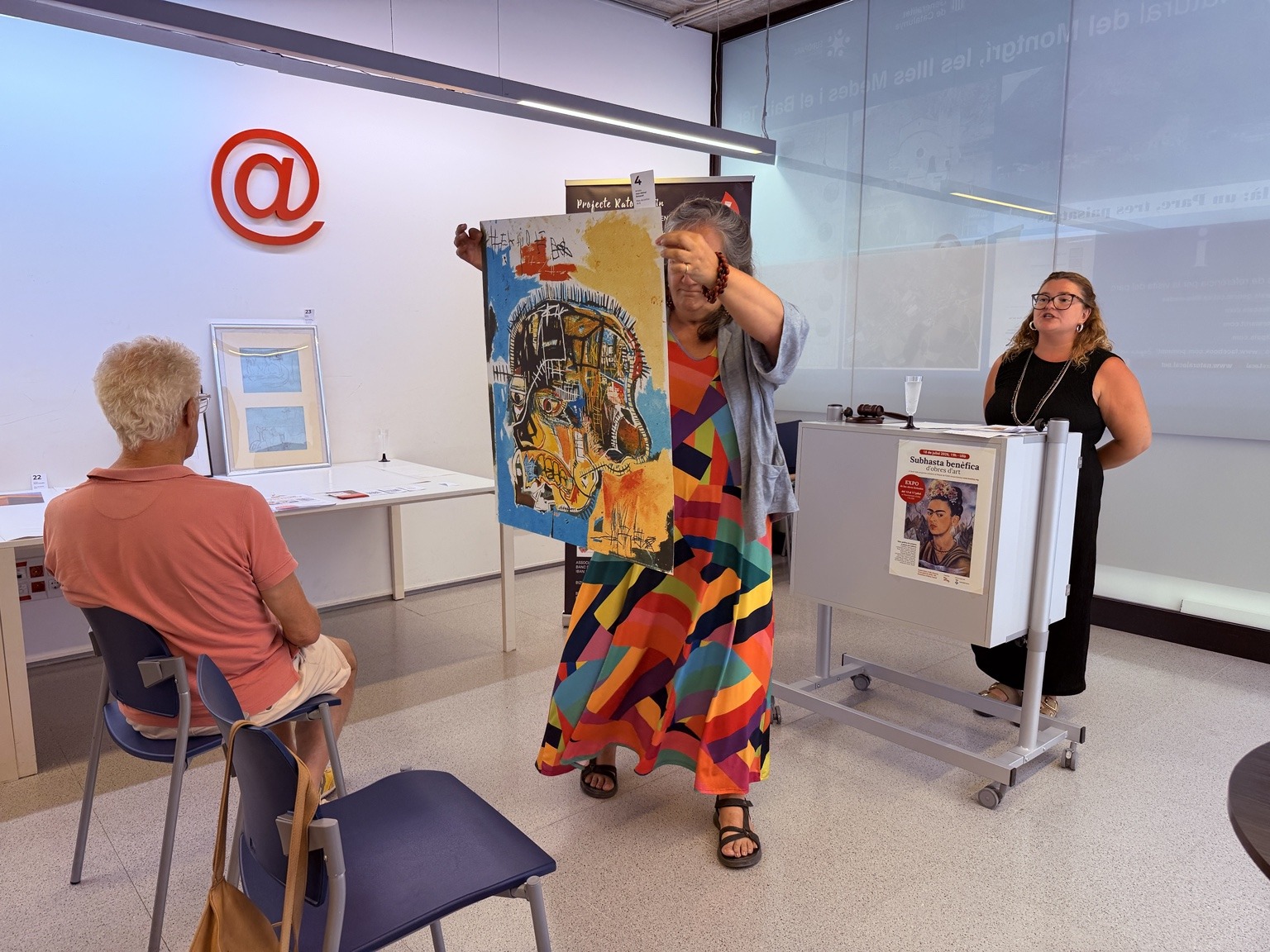
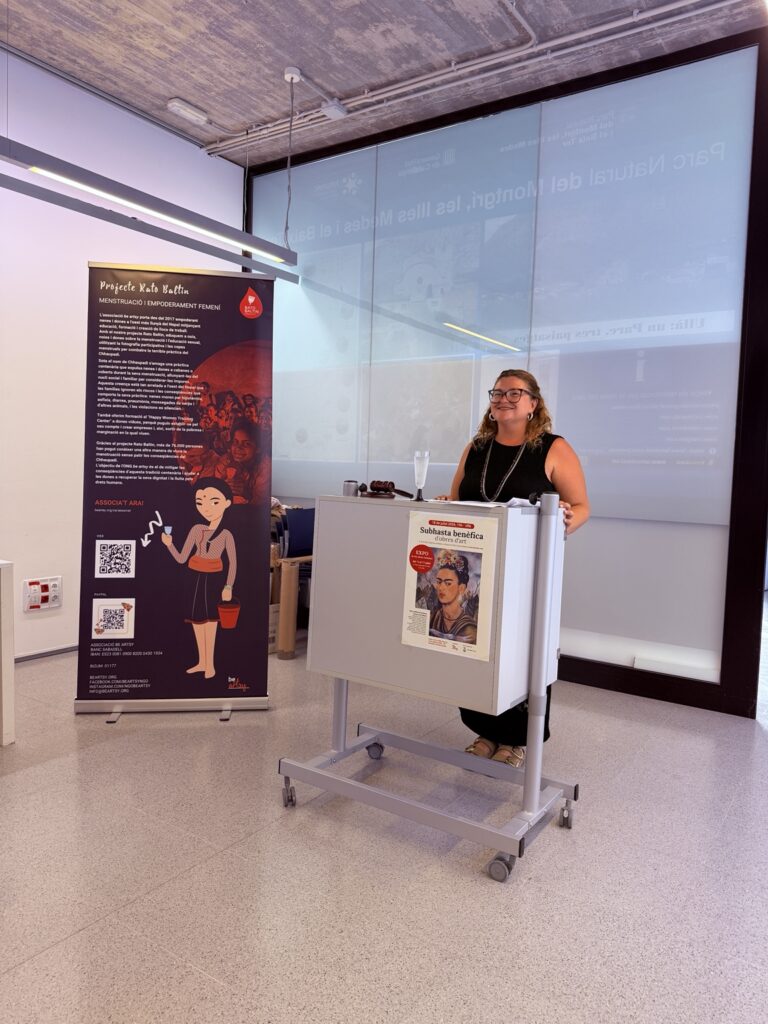
On 18 July 2026, Ullà hosted a charity art auction organised by the be artsy volunteer team in Ullà and Bellcaire, raising funds for the projects we develop in Nepal.
The auction brought a few days of exhibition to a close and gathered people from Ullà and the surrounding area who came to take part, learn more about be artsy’s work and, above all, give a new life to artworks while supporting a solidarity initiative.
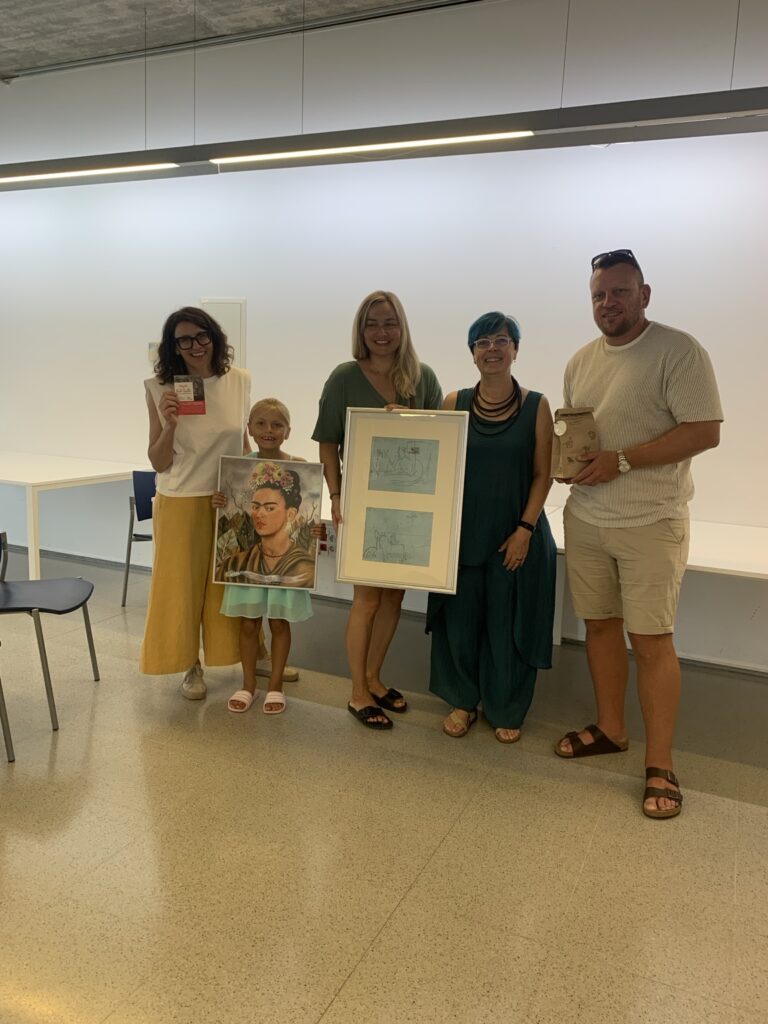
The works auctioned had been donated by friends of Josep V. Marín, making it possible for the funds raised to support be artsy’s work in Nepal.
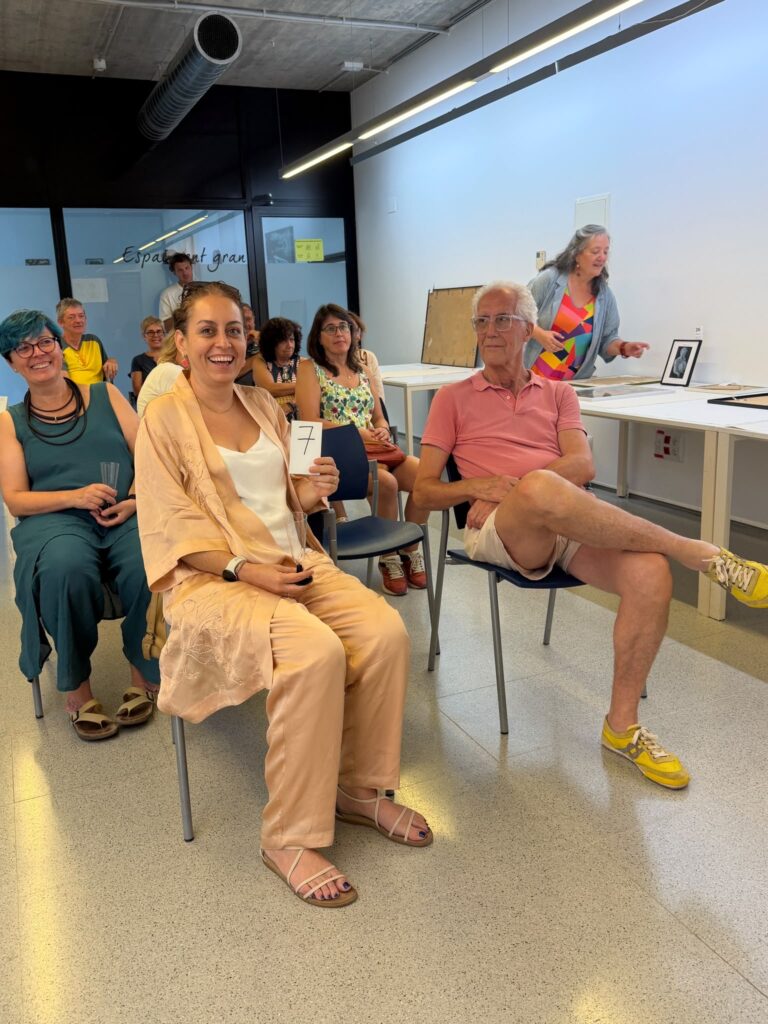
Journalist and communicator Cristina Cantal led the auction, in an afternoon full of bids, nerves, laughter and more than one friendly contest to take home a favourite piece.
In total, the initiative raised €700, which will go towards be artsy’s projects in Nepal.
We would like to thank everyone who came, everyone who took part in the bidding, everyone who went home with an artwork and, especially, all the volunteers who made both the exhibition and the auction possible.
And the story can continue: the be artsy volunteer team still has more artworks available to organise new charity auctions.
If you are a town council, an organisation, a local group or simply a group of people who would like to organise a solidarity auction in your town or city, get in touch with us.
Art can keep travelling — and, at the same time, keep transforming lives.
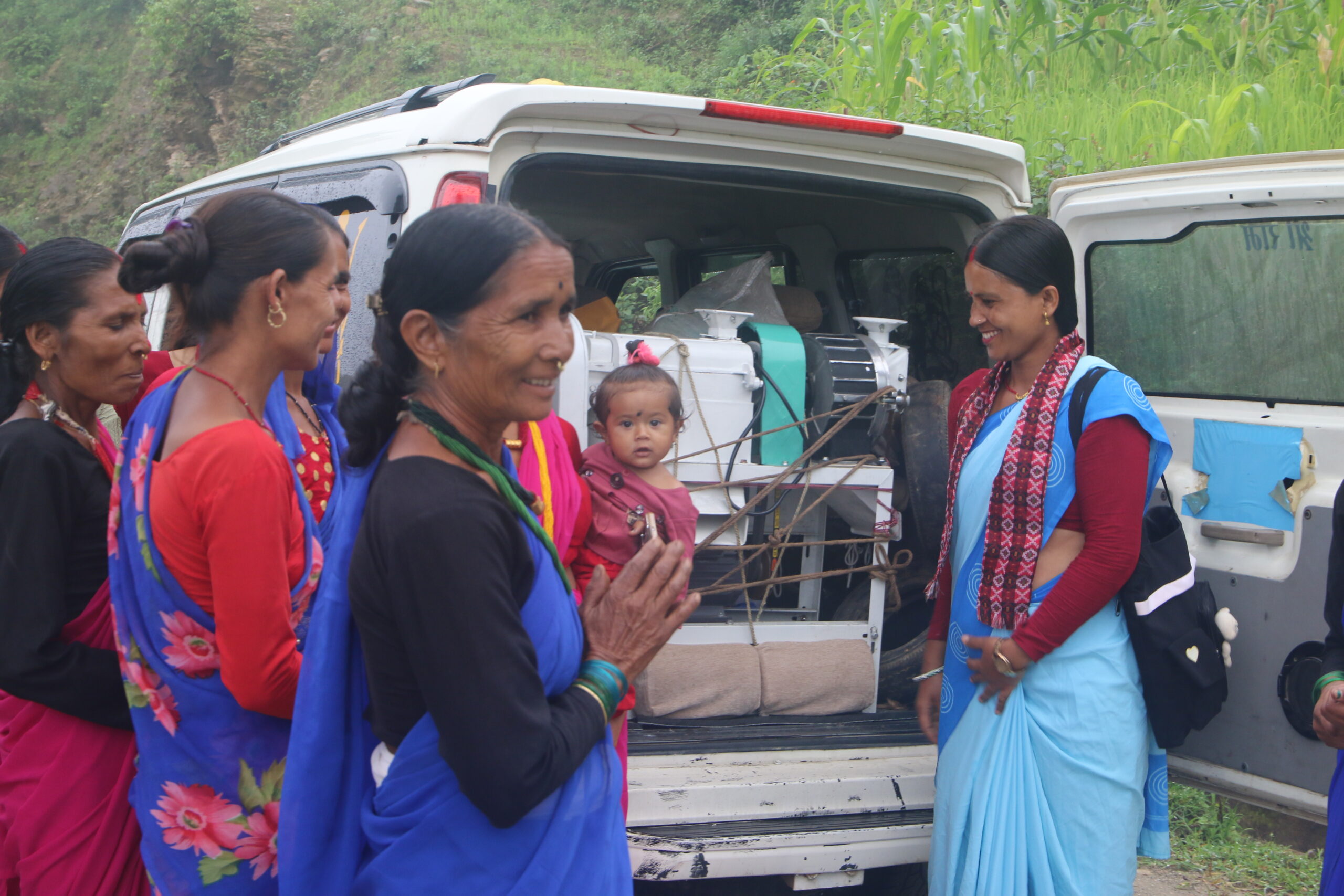
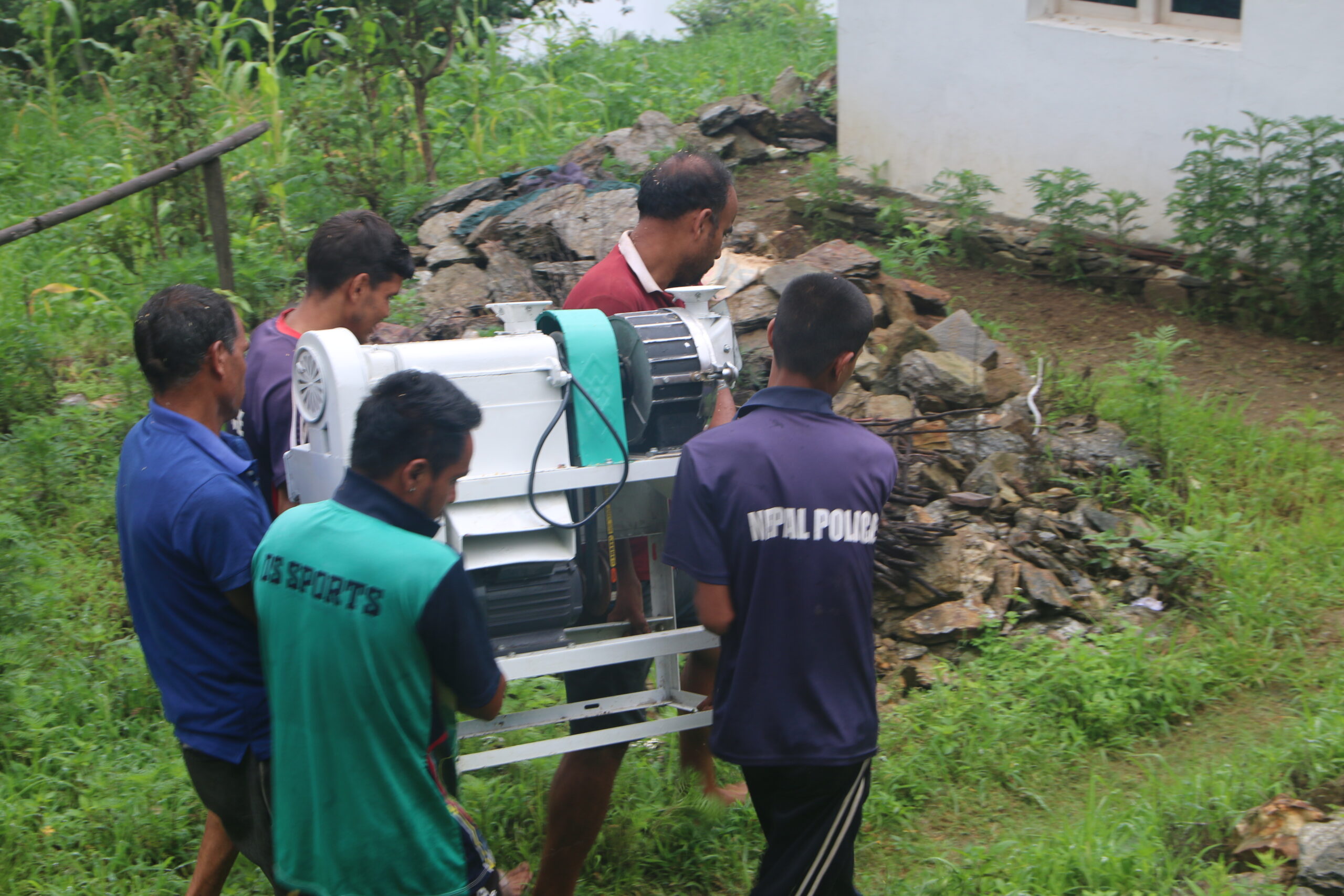
On 9 August 2026, the first community mill in Bhatwada, Achham, was inaugurated and put to work. It is a small machine, but getting it there took many people working together.
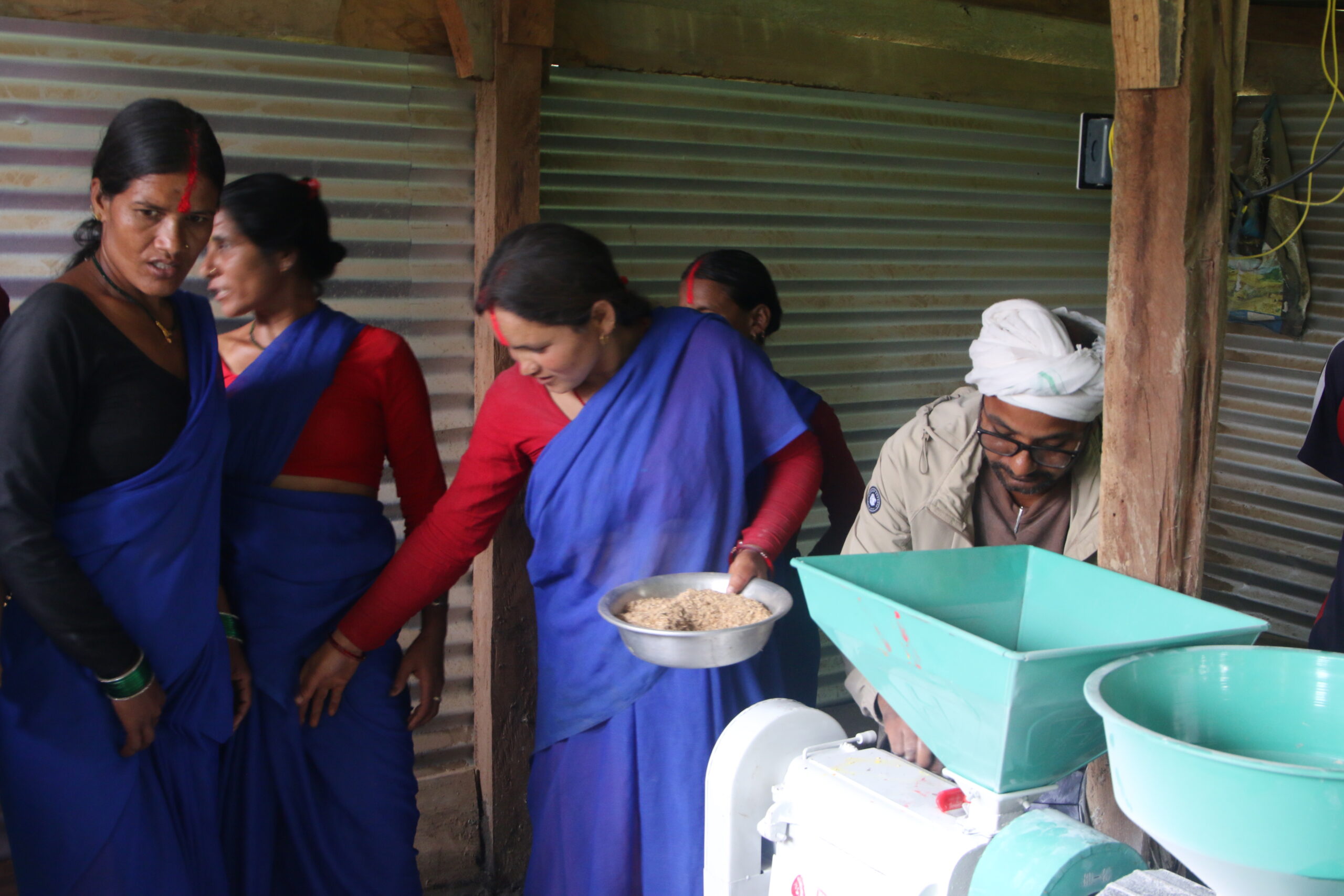
When the mill arrived, the women of the community came to welcome it. Local men unloaded it and carried it from the vehicle to the place prepared for it. The women had already been involved in deciding where it should go and how the community would use it.
The space and electrical connection were prepared, and the machine was installed. At the inauguration, the mill was switched on and the women began to process grain with it. Those first moments are in the photographs.
Until now, processing grain meant doing a lot of work by hand or travelling to another mill. Having one close to home can save time and effort. We will learn with the women how it works in everyday use; it is too early to put a number on the hours saved.
The first mill was made possible by the support received through the MiGranoDeArena matchfunding campaign. Thank you to everyone who contributed, and to the women and the local team who have worked to make it useful for the community.
At be artsy, we work on menstrual health and education, but women’s autonomy also depends on what happens in daily life. This mill is one concrete way to make that daily work a little lighter.
A Teaming Group linked to an NGO that has closed has decided to give be artsy the €1,664 it had raised but had not yet transferred. Teaming has confirmed that the transfer has been approved. The money will go to our projects in Nepal.
If you do not know Teaming, it lets each person give one euro a month to a social cause. The platform does not charge fees, so the full euro reaches the chosen cause.
It made us think that many people may not know what happens to the money when an association or NGO closes.
In this case, the €1,664 was still held in the Teaming Group. The people responsible for the group decided to direct it to another cause. That is different from distributing the assets of an association when it is dissolved.
When a Catalan association dissolves, it must first settle its accounts, collect what it is owed and pay its outstanding obligations. Any assets left must follow the destination set out in its statutes. If no specific recipient is named, the law provides for them to go to another nonprofit with similar aims. They cannot be distributed among members or given to a for-profit organisation.
At be artsy, we have already decided which nonprofit we would want any remaining assets to go to if we ever had to close. We have worked with this organisation from the beginning, and it also works with women in Nepal. We have no intention of closing, but we think it is responsible to have considered this.
That is why this €1,664 means more than a donation to us. It is a way to close one chapter while keeping solidarity going.
Thank you to everyone who made this decision, and to all the people who contributed to that Teaming Group, one euro at a time.
If you would like to join us, we have two Teaming groups: Rato Baltin and Edufem. You can give one euro a month to each group.
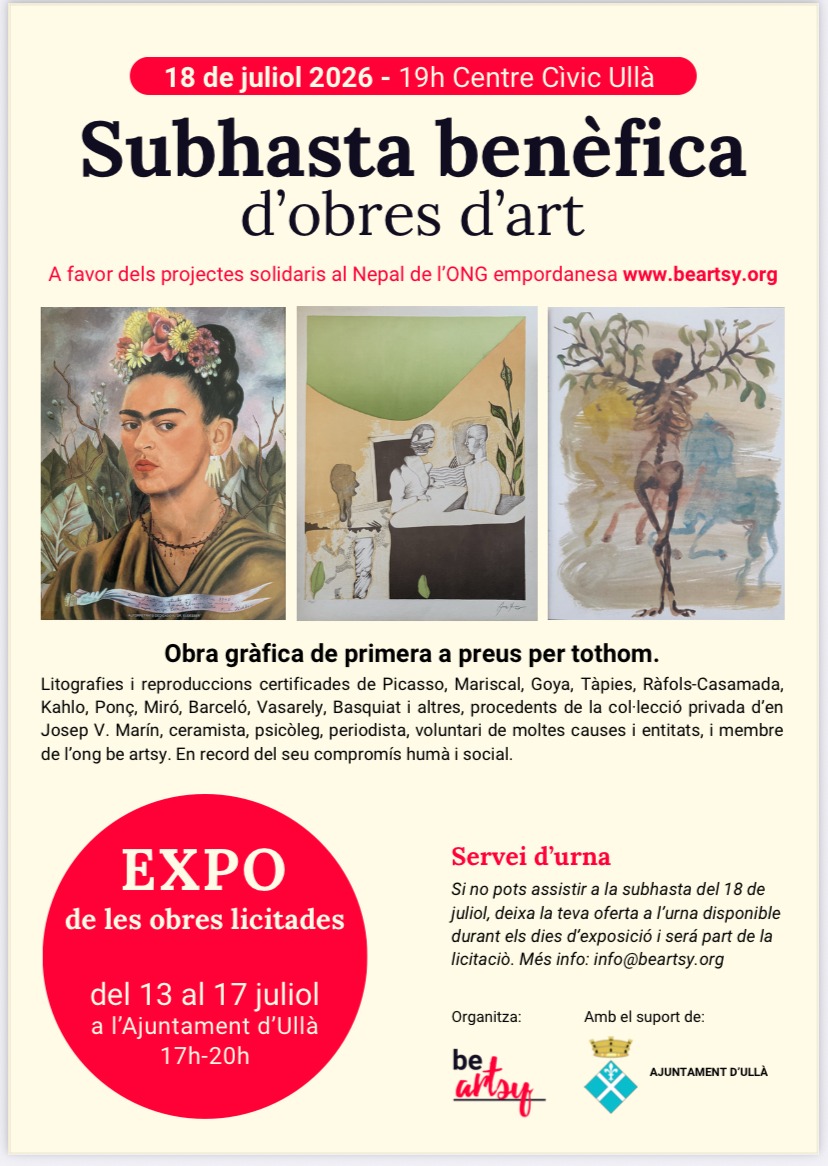
From 13 to 18 July 2026, Ullà will host an exhibition and charity art auction in support of be artsy’s projects in Nepal.
The exhibition brings together around thirty graphic works —posters, drawings and lithographs— by Catalan and international artists such as Picasso, Frida Kahlo, Christo, Mondrian, Barceló, Basquiat, Ràfols Casamada, Comadira, KIM, Dalí and Ad Reinhardt, among others. Most of the pieces are certified and have been donated by the friends of Josep V. Marín, a ceramicist, psychologist, journalist and volunteer deeply committed to many social causes.
This donation is also a way to remember and thank him for his connection with be artsy and for his commitment to the projects we promote.
The auction will take place on Saturday 18 July at 7 pm in Ullà and will be led by communicator Cristina Cantal. Before the auction, the artworks will be on display every afternoon, from 13 to 17 July, from 5 to 8 pm.
The funds raised will go to be artsy’s projects in Nepal, especially the initiatives we carry out to promote menstrual health, education and the autonomy of women and girls in the west of the country.
An opportunity to come closer to art, remember Josep V. Marín and contribute to a transformative cause.