We often share the results of our projects: how many people have participated, how many schools we’ve reached, or what we’ve achieved. But what about everything that happens before, during and after? Today, I want to talk about the part of running a small NGO that rarely makes it into photographs or annual reports.
Behind every project, there are endless hours of work
When you follow be artsy, you usually see photographs of our menstrual educators working in schools in Nepal, women sharing experiences, menstrual health workshops, or new initiatives taking shape. And that’s important. We want you to know what we’re achieving together.
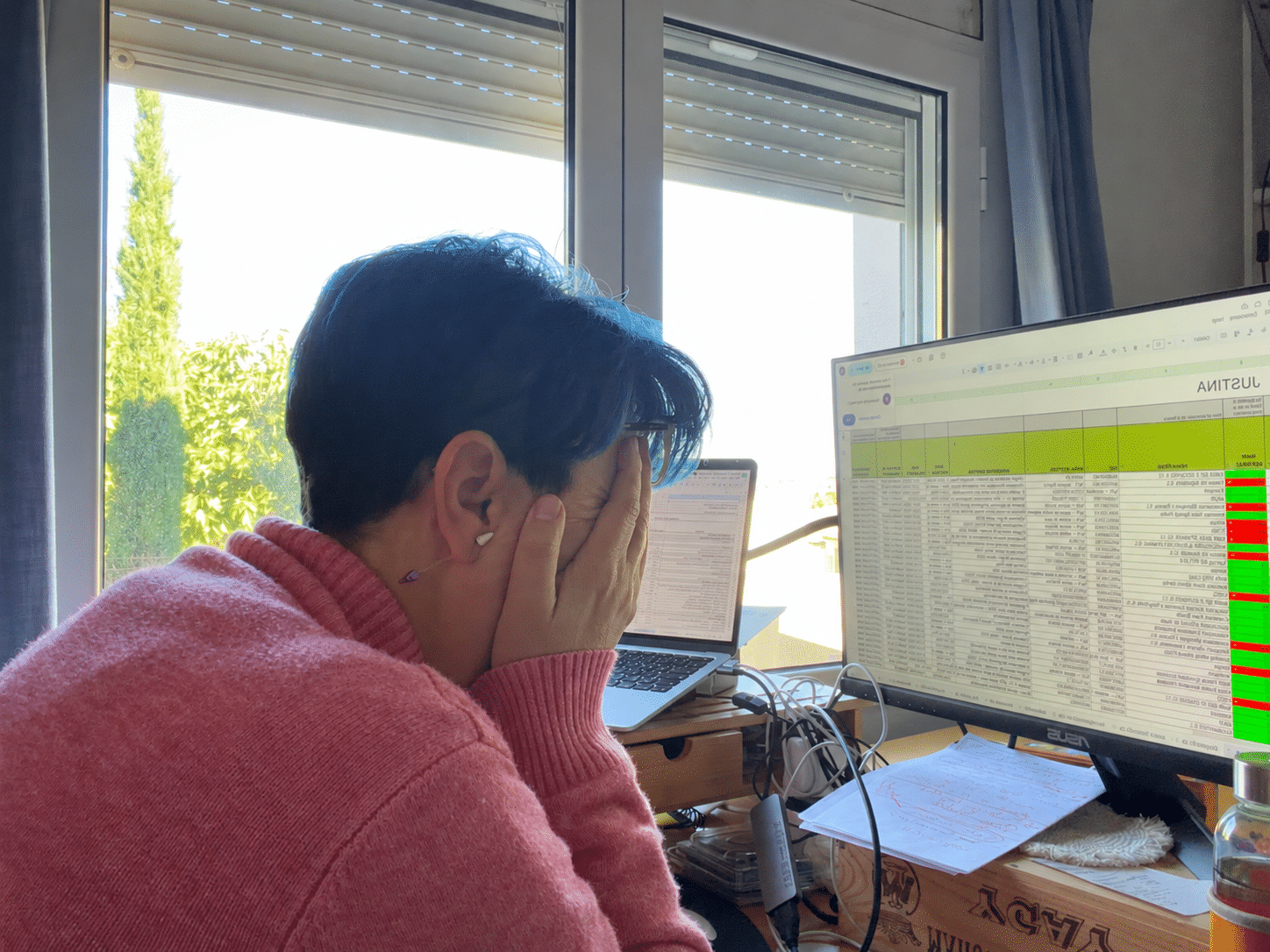
But today, I want to show you something different. The spreadsheets. The grant applications. The budgets. The invoices. The reports. The emails that never seem to end. And the hours spent trying to find enough funding to keep everything running.
Sometimes I spend days, even weeks, preparing a funding application. Reading guidelines, adapting budgets, collecting documents and explaining, once again, why our work matters. And then an email arrives: Unfortunately, your proposal has not been selected. All that work, and no funding. So we start again.
Not because we enjoy filling in forms, but because without that work, there may be no workshops, no follow-up visits, no educational materials and no salaries for our local team. Before we can talk about impact, someone has to make that impact possible.
Volunteering doesn’t always mean working for free. Sometimes it means paying to work.
This is another reality we rarely talk about. Behind be artsy, there are volunteers who give their time, professional skills and energy. But there are also people who pay expenses out of their own pockets.
Travel, materials, small purchases, unexpected costs. Things that need to be done or paid for, even when there isn’t enough money available. And sometimes we simply cover those expenses ourselves.
I’m not sharing this because we want applause. Quite the opposite. I don’t think an organisation should have to depend on volunteers spending their own money to keep it going. And I certainly don’t believe that caring about a cause should require financial sacrifice.
But this is part of the reality of running a small NGO, and pretending it doesn’t happen doesn’t help anyone understand how we work. Volunteers are essential. But volunteering should never become an excuse for making people’s work or expenses invisible.
Meanwhile, in Nepal, the work never stops
While I’m working on budgets, applications and reports in Catalonia, our colleagues at Unnati are doing another enormous amount of work in Nepal.
Coordinating with schools and communities. Organising activities. Preparing educational materials. Managing the team. Keeping records. Preparing financial reports. Solving problems that nobody could have predicted.
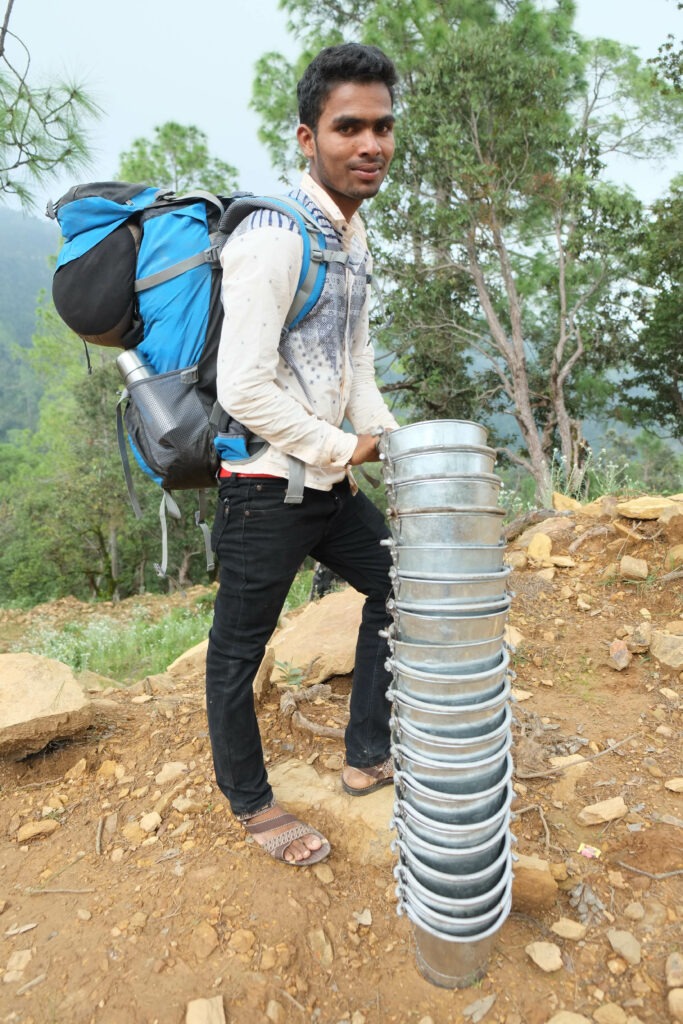
And then there is the travelling. Working in the rural areas of Achham means dealing with difficult roads, long journeys, landslides, unpredictable weather and vehicles that don’t always make it to their destination as planned.
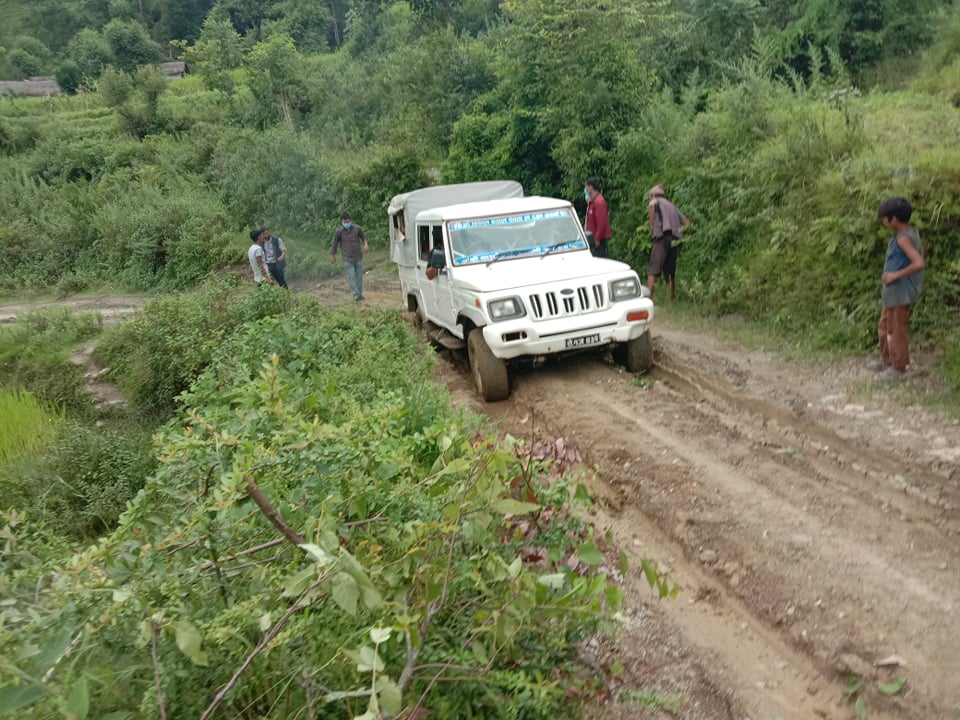
Sometimes transporting materials is an adventure in itself.
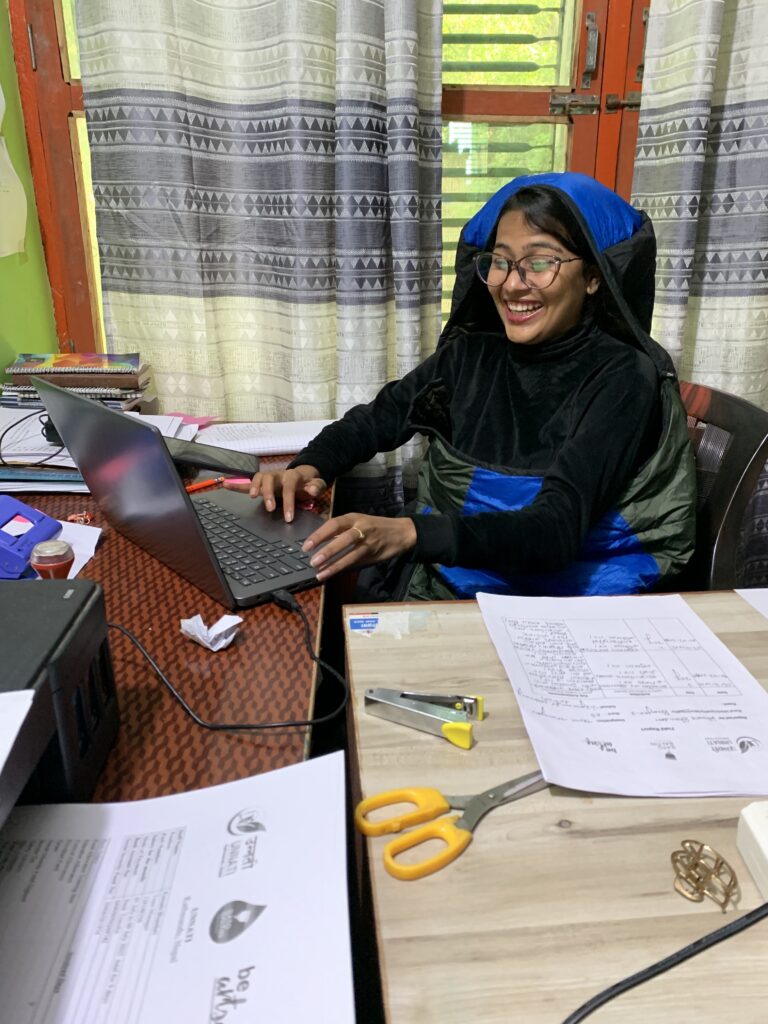
And then there’s the cold. Yes, we have actually worked on our laptops wrapped inside sleeping bags because it was too cold to sit at a desk without them!
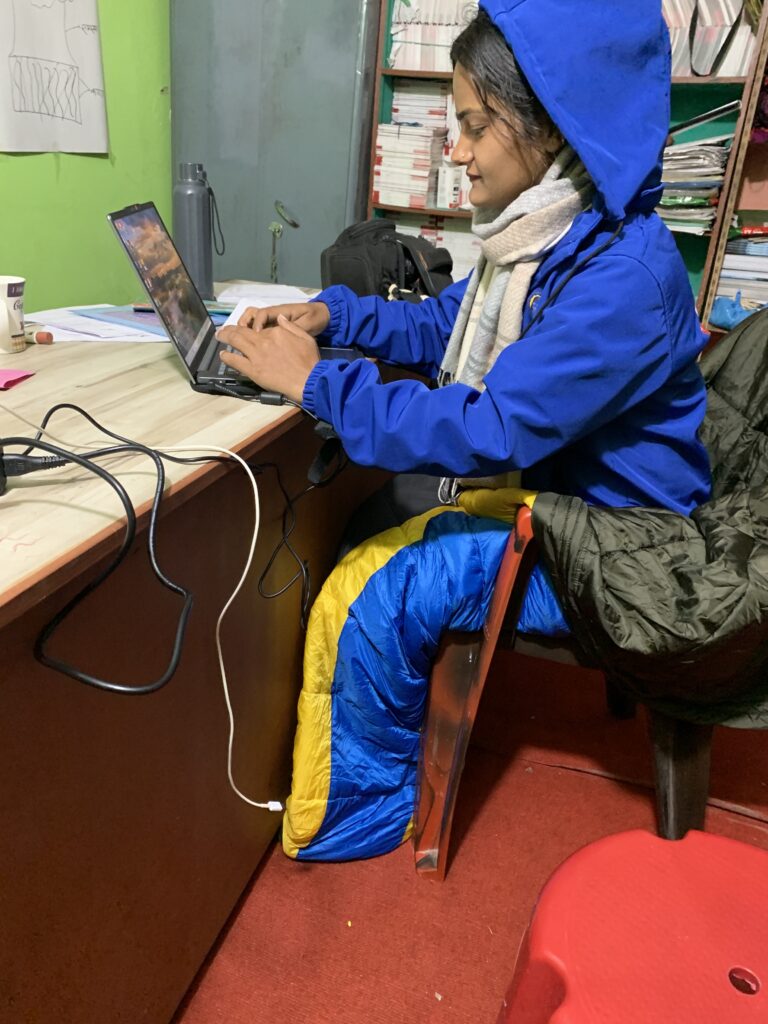
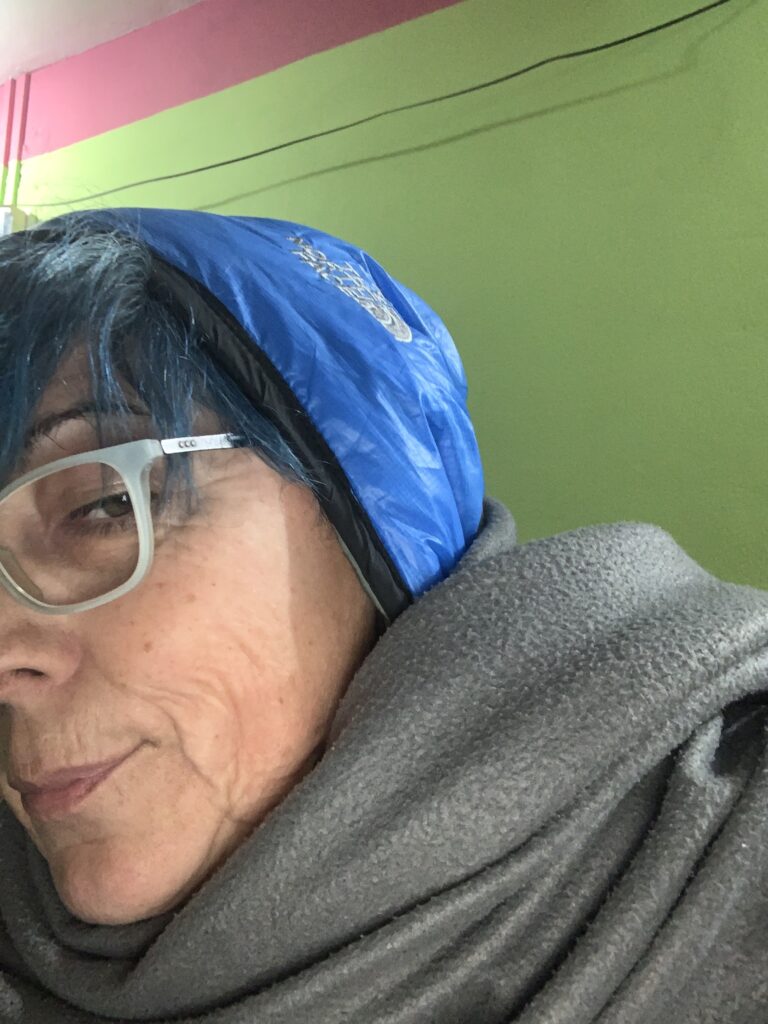
These situations sometimes make us laugh afterwards. But they are also part of the real working conditions behind our projects. When you see a photograph of a menstrual education workshop, you don’t see everything that had to happen before the educators could arrive at that school. The journey, the planning and the coordination are also part of the project.
Not everything goes according to plan
We also make mistakes. Sometimes an activity needs to be postponed. A budget doesn’t work out. A grant application is rejected. A report arrives late. A road becomes impassable. Or we have to change our plans because the reality on the ground has changed.
And sometimes we simply don’t know whether we’ll have enough funding to do everything we had planned. This is something I think NGOs should talk about more often.
We’re used to sharing success stories. Projects completed. Numbers achieved. Positive results. But cooperation isn’t a straight line from a good idea to a beautiful photograph and an impressive number.
It’s a continuous process of learning, adapting, negotiating, trying again and taking responsibility for the decisions we make. And being transparent should mean explaining that process, not just presenting the final results.
Ten years of be artsy. And so much that we haven’t told you.
This October, be artsy celebrates its tenth anniversary. Over these ten years, we’ve shared countless stories about Rato Baltin, the communities we work with, our colleagues in Nepal and the changes we’ve witnessed.
But looking back, I realise that there’s an enormous part of our story that we haven’t shared enough. How we prepare a project before submitting it for funding. How we decide what we can afford to do. What happens when a grant is rejected. How much administrative work goes into justifying public funding. How our colleagues at Unnati manage the challenges of working in remote communities.
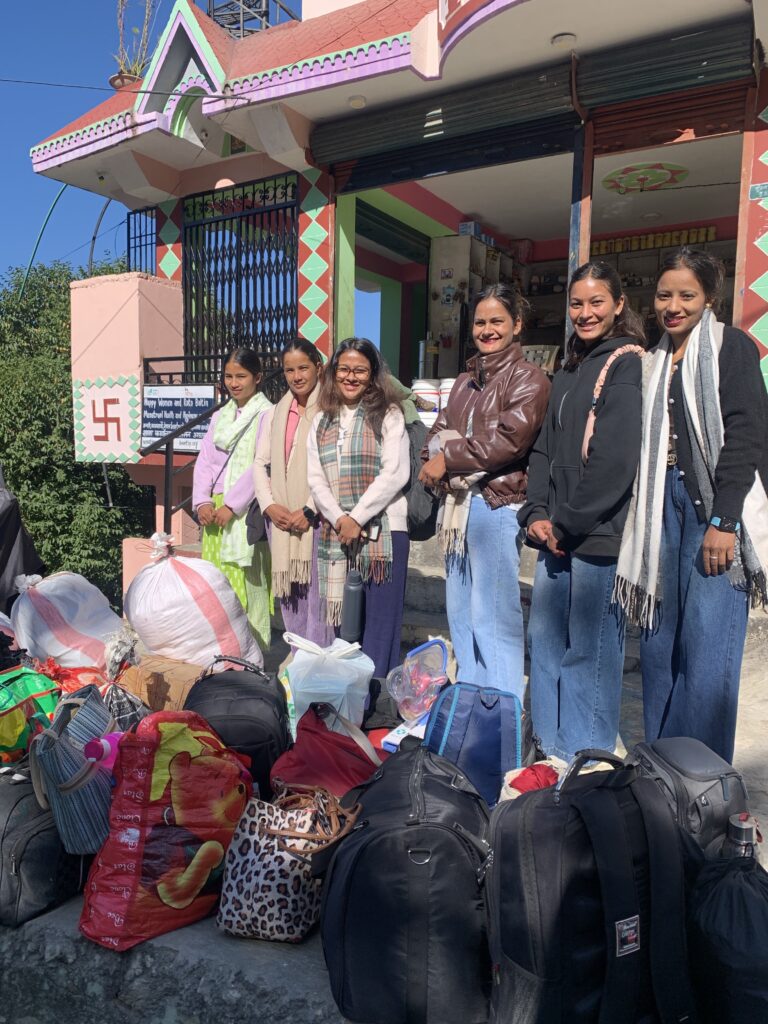
And how many people, often quietly and without recognition, make all of this possible. I’d like us to start sharing more of these stories. Not just the results, but the process. Not just what works, but what doesn’t. Not just what we’ve achieved, but what it takes to get there.
Because understanding an NGO means understanding its everyday work, its limitations, its responsibilities and the people behind it.
Why regular support matters
There’s one more thing I’d like to explain. When people think about donating to an NGO, they often imagine funding a specific activity: a workshop, a menstrual cup, a school programme or a training course. And of course, those contributions are essential.
But projects also need coordination, administration, financial management, communications, monitoring and countless other tasks that are less visible. These things cost money too. And without them, the activities themselves wouldn’t be possible.
That’s why regular donations, whether small or large, make such a difference. They give us greater stability and help us plan beyond the next funding deadline.
You don’t have to become involved in the day-to-day running of be artsy to support our work. But if you’d like to get more involved, we’d also love to hear from you. Both forms of support matter.
After ten years, I still believe deeply in what we do. But I also believe it’s time to talk more openly about everything it takes to do it.
For ten years, we’ve been telling you what we’ve achieved. Maybe it’s time we also told you what it takes to achieve it.
Clara Garcia i Ortés
Founder and President of be artsy