Tag: workshops

  • Collaboration Makes a Difference: MacEwan University

    Collaboration Makes a Difference: MacEwan University

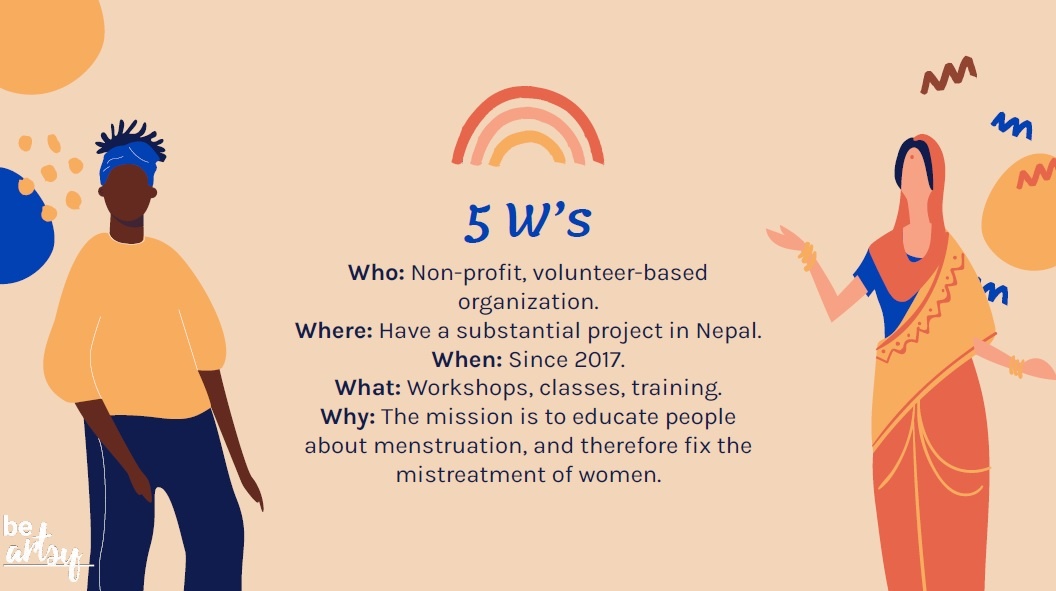
    The experience related to the collaborative workshops developed with MacEwan University in Edmonton, Alberta, Canada, has been rewarding for each of us. Through the Riipen platform, we unite around our academic and practical interests in defending the rights of children and women in Nepal.

    Nursing students from the Community Mental Health: High Priority Population class have contributed and continue supporting be artsy. We want to thank all those students, but especially Taylor Wilson and Hannah Wildeman for the crowdfunding implemented for be artsy which obtained CAD 500 (EUR 332.80) for the Rato Baltin Project. Likewise, we want to express our gratitude to Professor Rita Dhungel, in charge of the Social Work course at the same University, who, with her students, included the participation of be artsy in events for the International Day for the Elimination of Violence against Women, last November.

    Therefore, apart from with the fundraising, the students have contributed to spreading the predicament of women related to extreme discrimination just because they are women and being considered unclean when they have their menstruation. In addition to reflecting on possible implementation solutions based on menstrual, sexual, health, and sustainability education. Plus free participation. Proposals that have gained recognition not only in Nepal but also in other countries, but on which we must continue working. In 2020, where we have all been affected in various ways, primarily about health issues, we started at the end of the year with the 2021 project, which has continued to advance with care but strong.


    View this post on Instagram


    A post shared by be artsy NGO 🇳🇵 (@ngobeartsy)

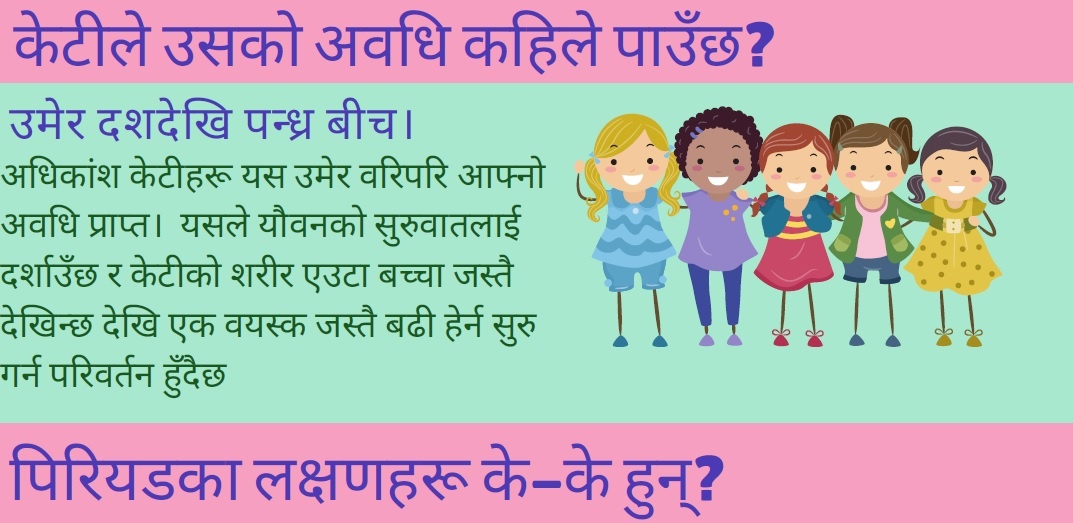
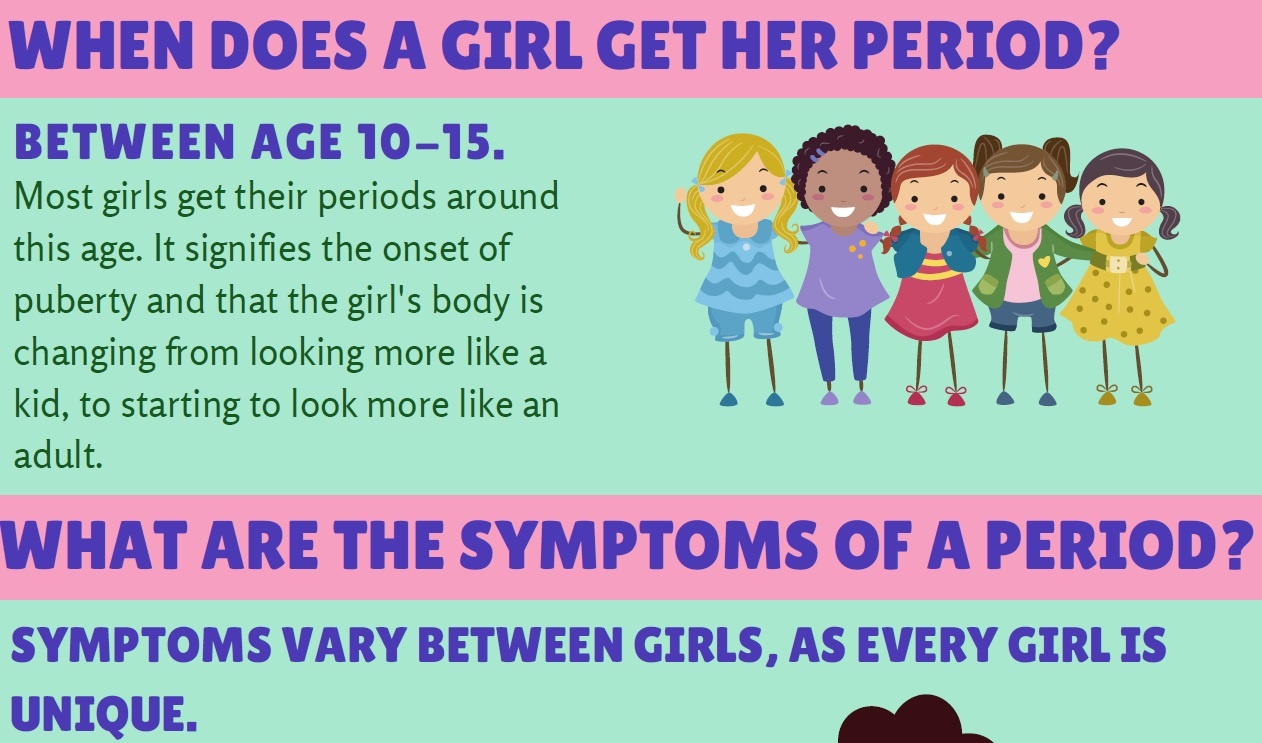
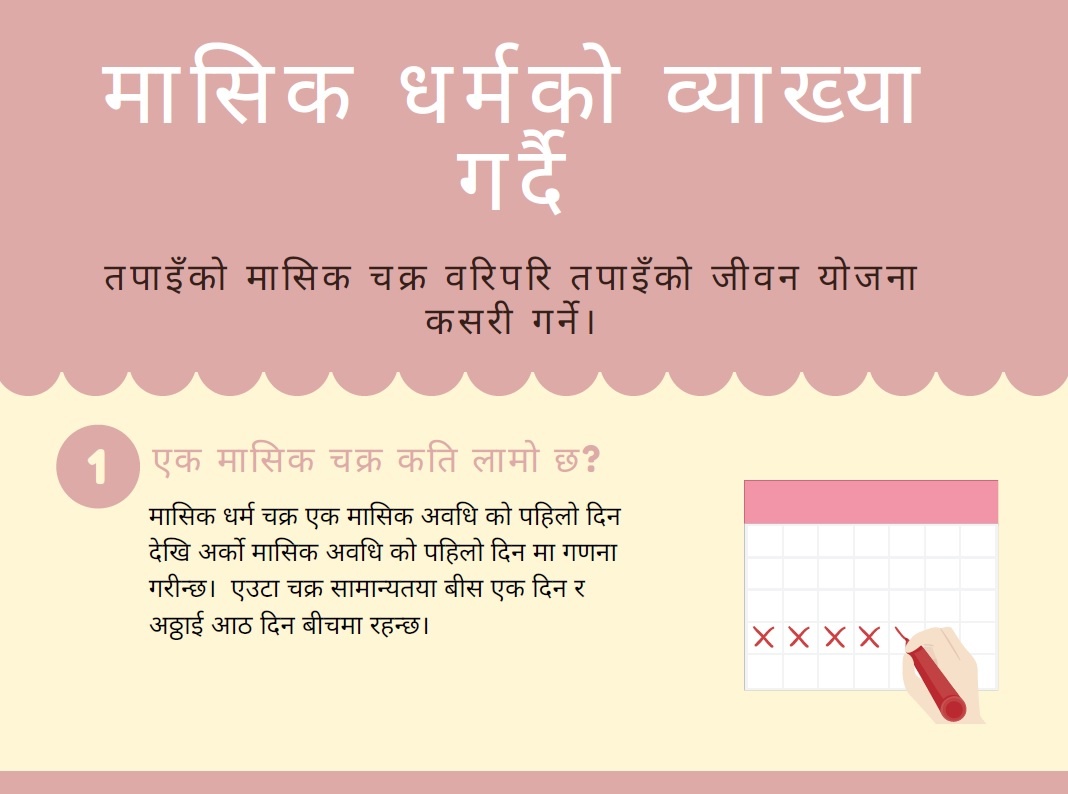
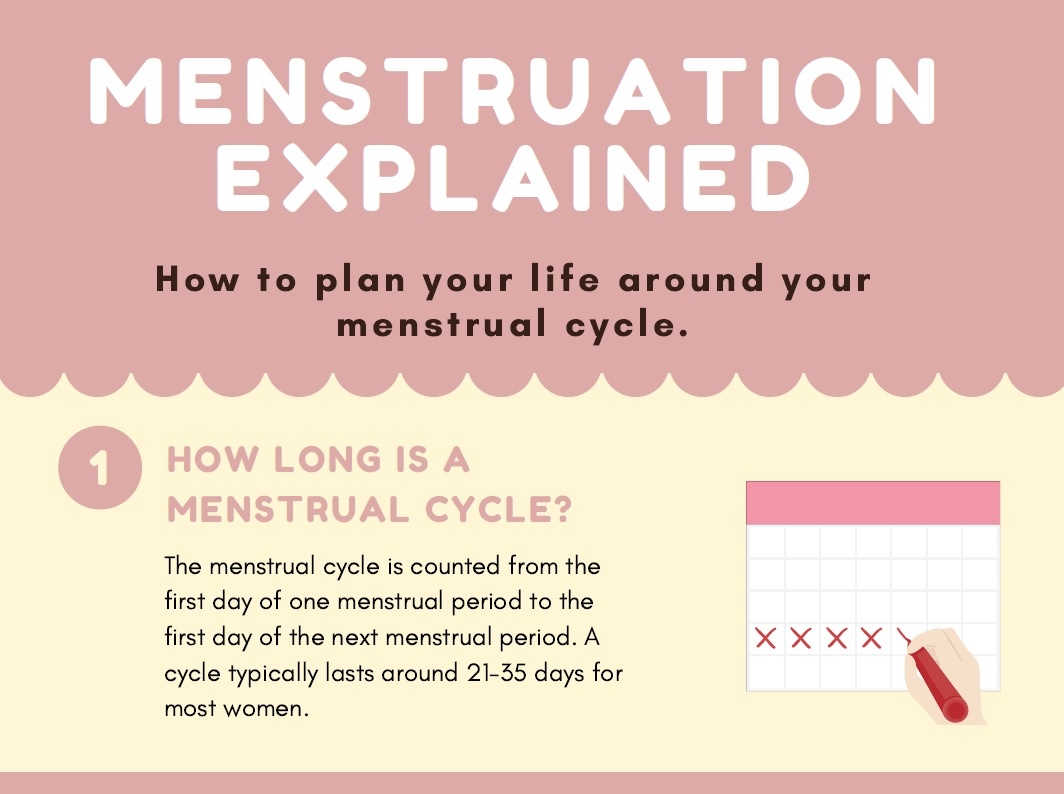
    Going back to the main issue, the MacEwan University has contributed in ways that, as happens with all positive actions, have been crucial. The students, with some computer graphics in both English and Nepali, have helped the project, apart from with the fundraising, by providing an outreach tool for girls and women as well as for the communities.
    Translation by Liliana Gonzalez and Tere Salinero

    We need your help, please.

    -Associate: – https://beartsy.org/associate / 

    –2021 crowdfunding: https://www.migranodearena.org/en/cause/fighting-chhaupadi-the-taboo-that-is-leading-to-the-deaths-of-young-girls-

    -Teaming – 1 euro/month:

    RatoBaltin: https://www.teaming.net/ratobaltinproject
    Edufem to prevent early marriage: https://www.teaming.net/edufemproject

    -Donorbox – Choose your own currency!

    RatoBaltin: https://donorbox.org/againts-chhaupadi

    Edufem to prevent early marriage: https://donorbox.org/edufem

    Thanks!
  • Training in Sahara Children Home (Dhulikhel)

    Training in Sahara Children Home (Dhulikhel)

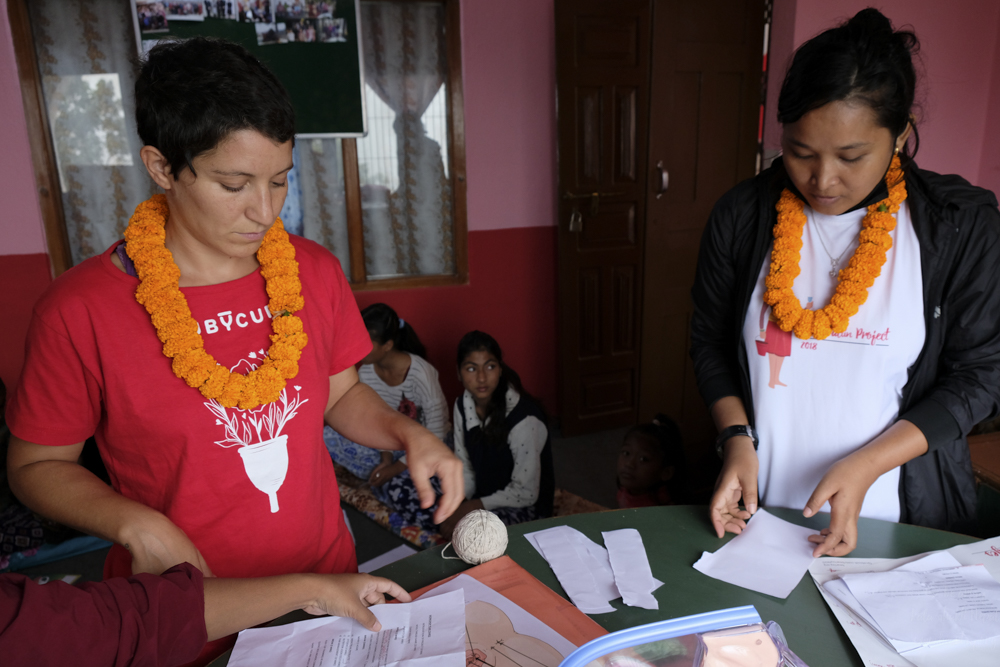
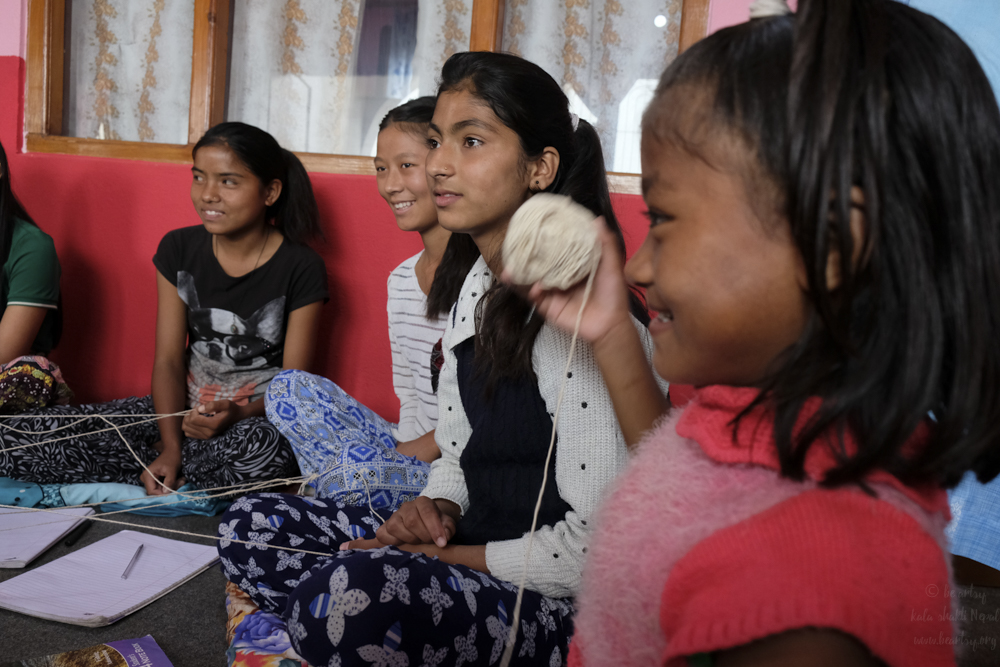
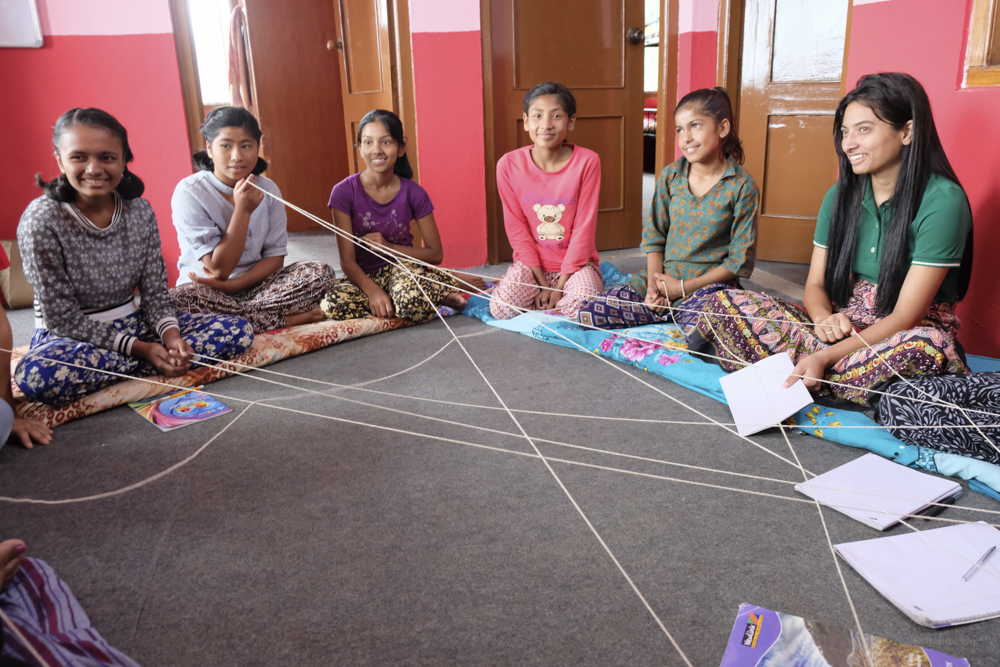
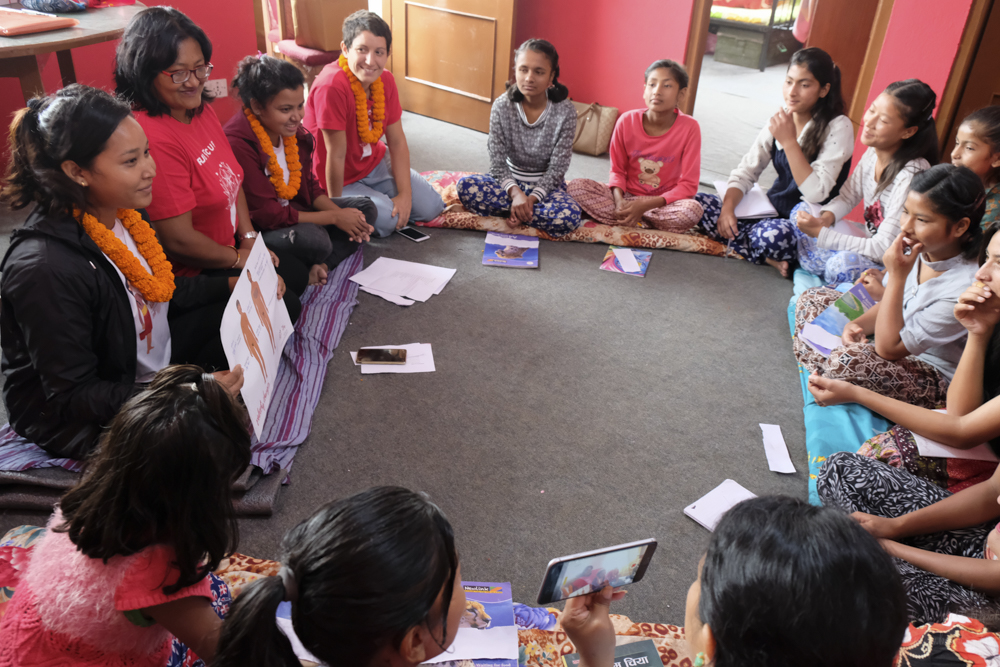
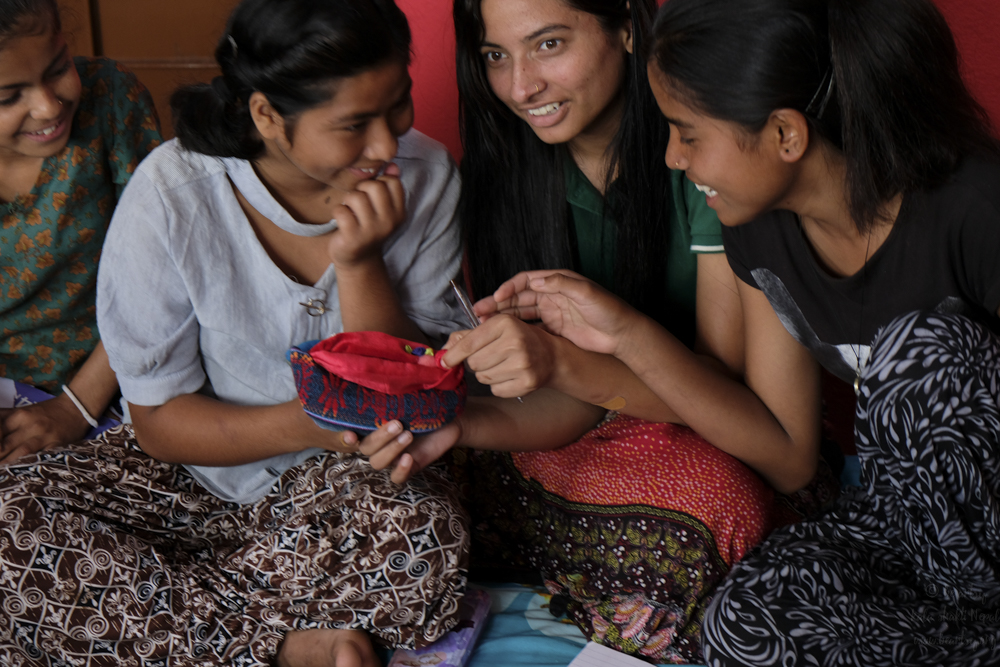
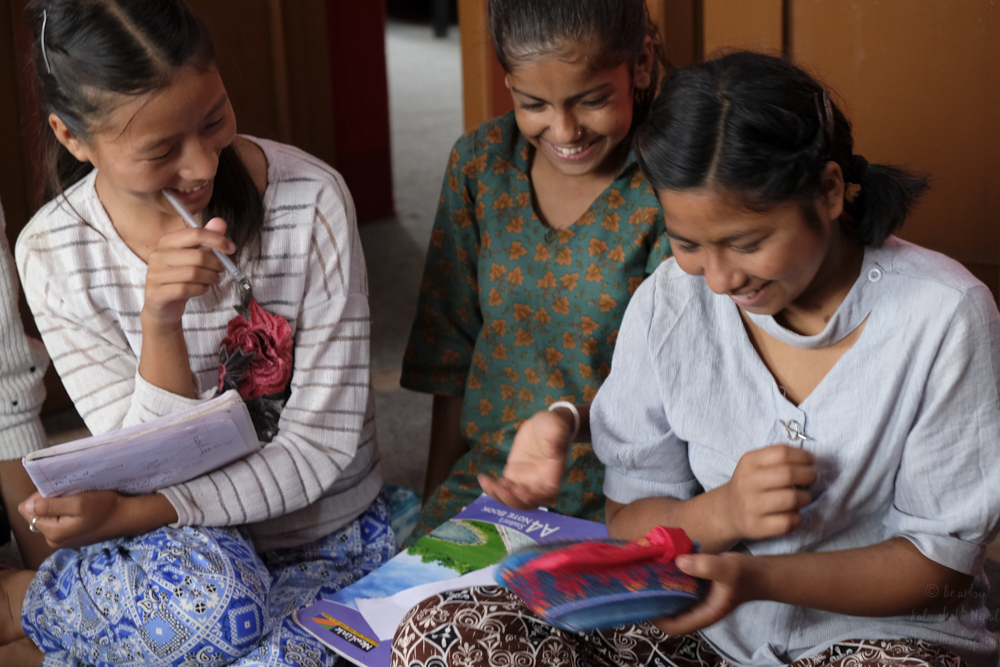
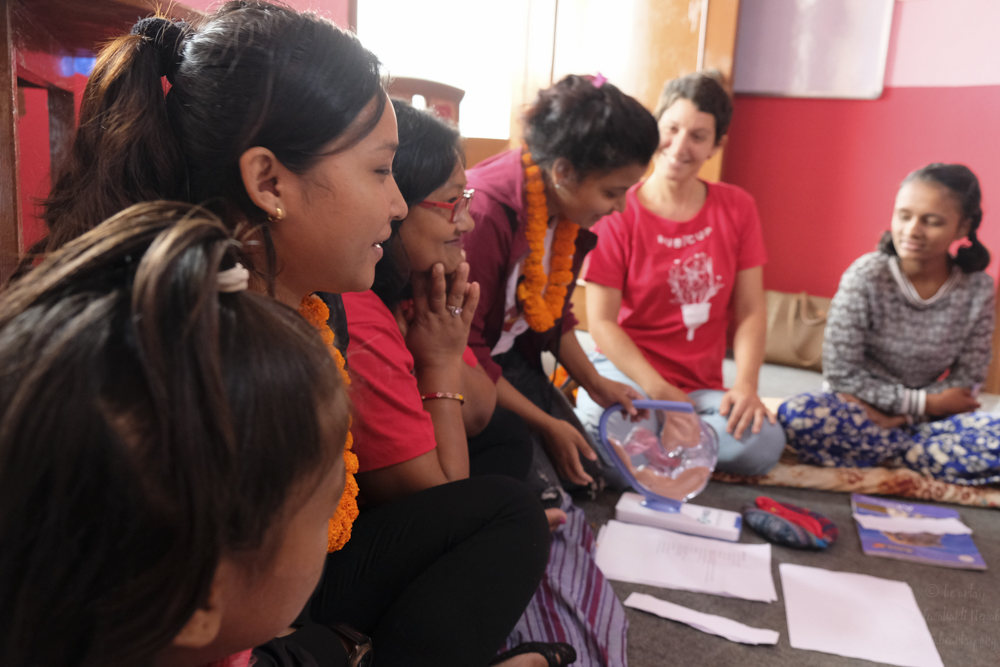
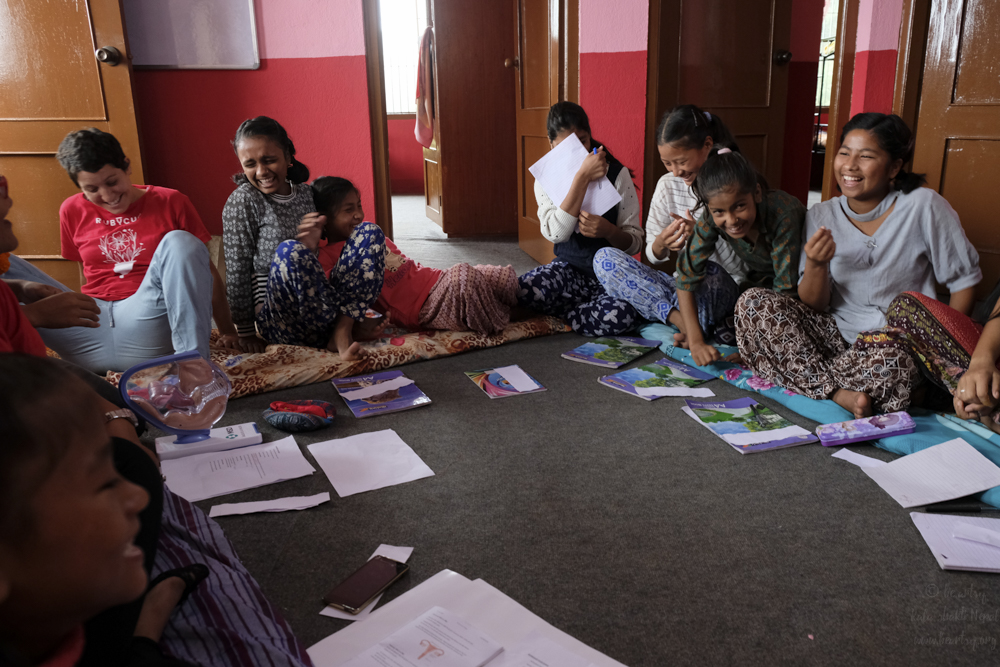
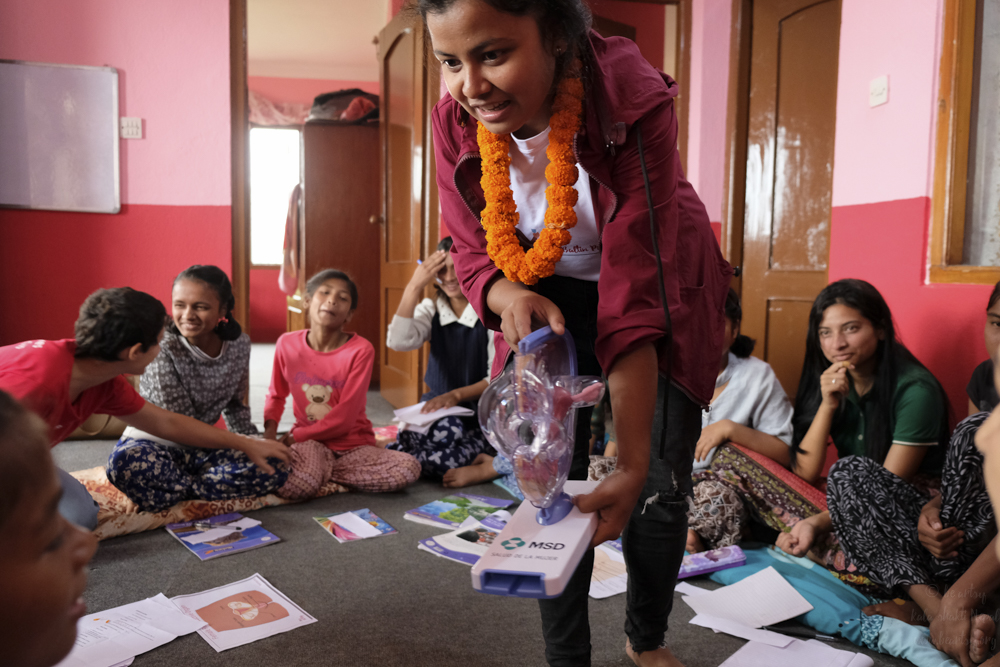
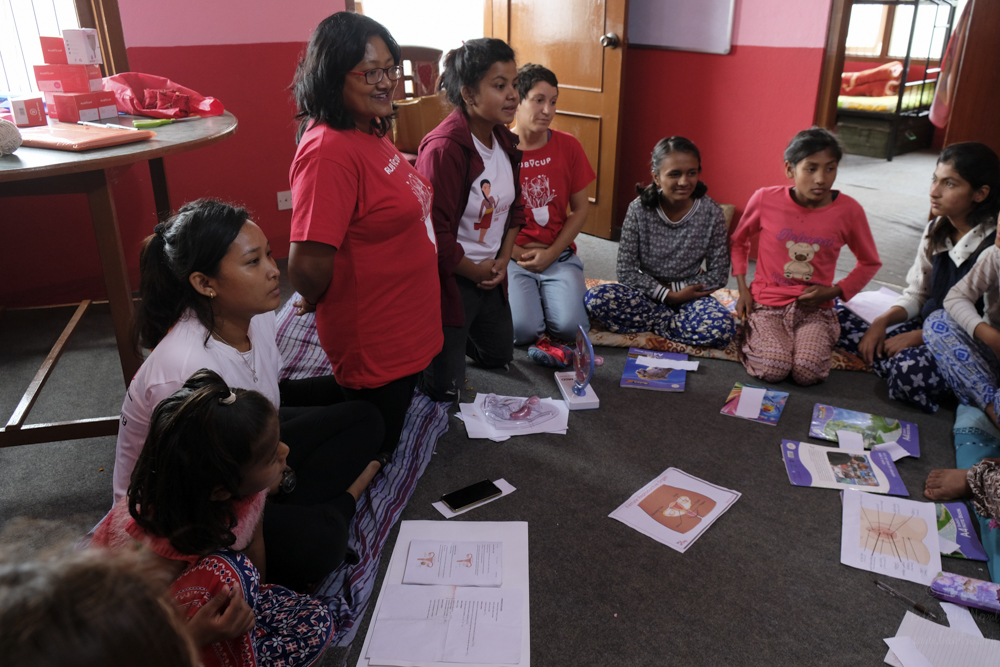
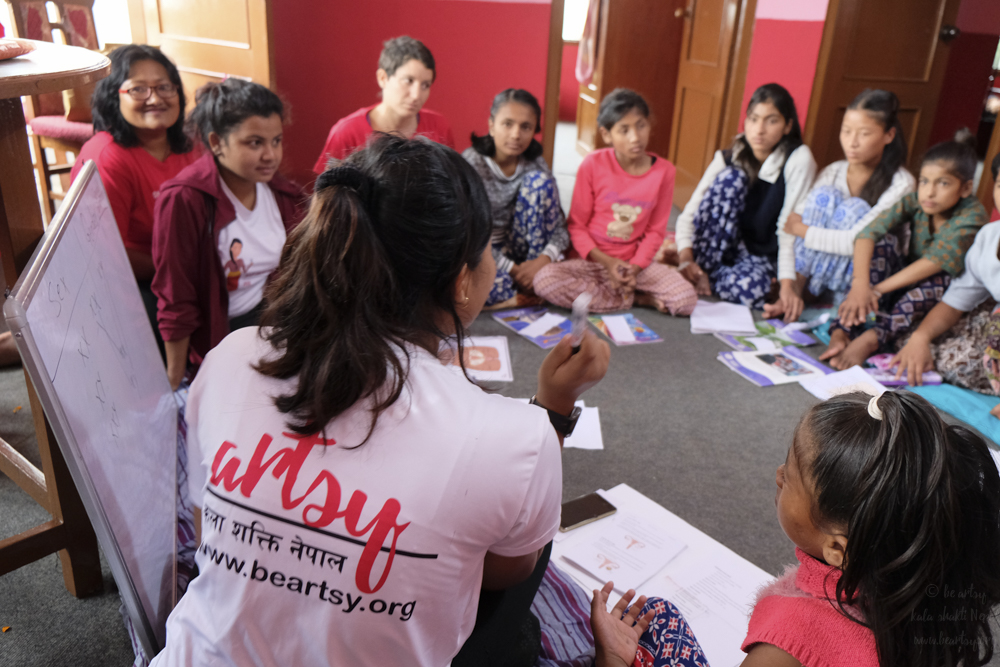
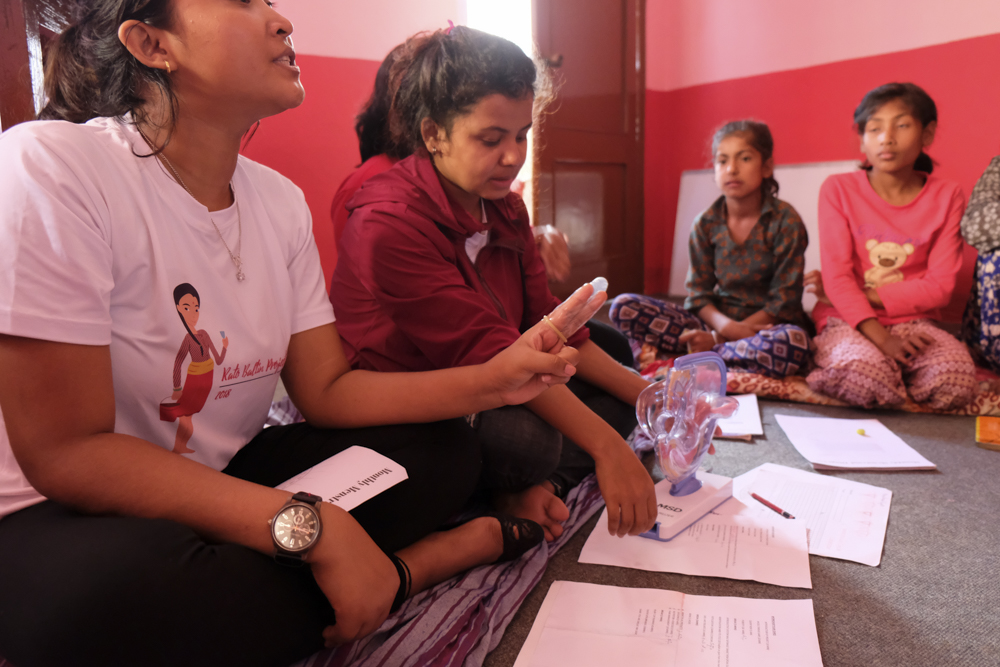
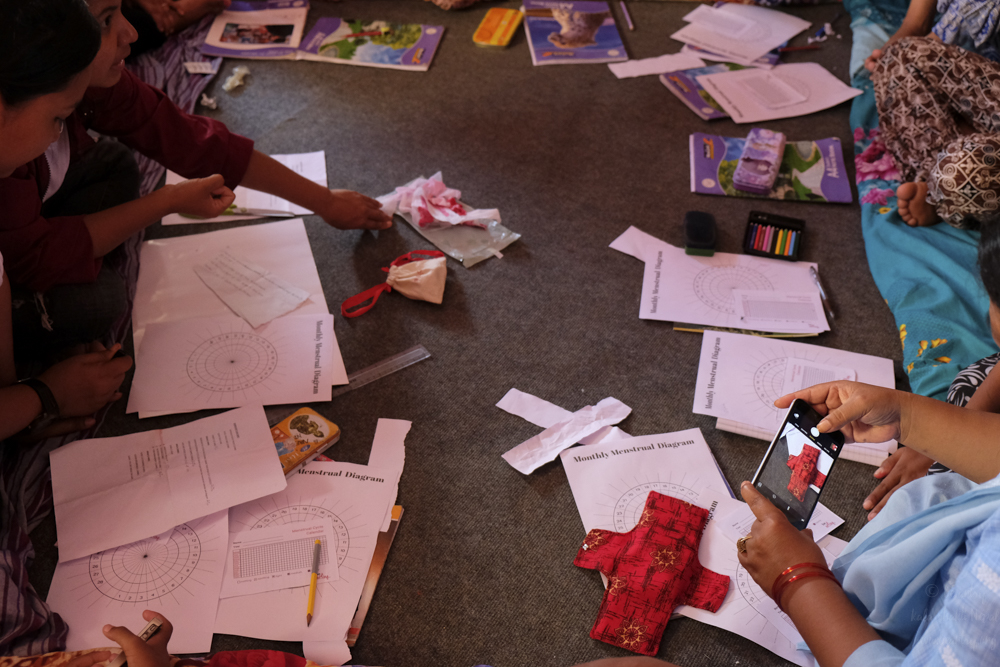
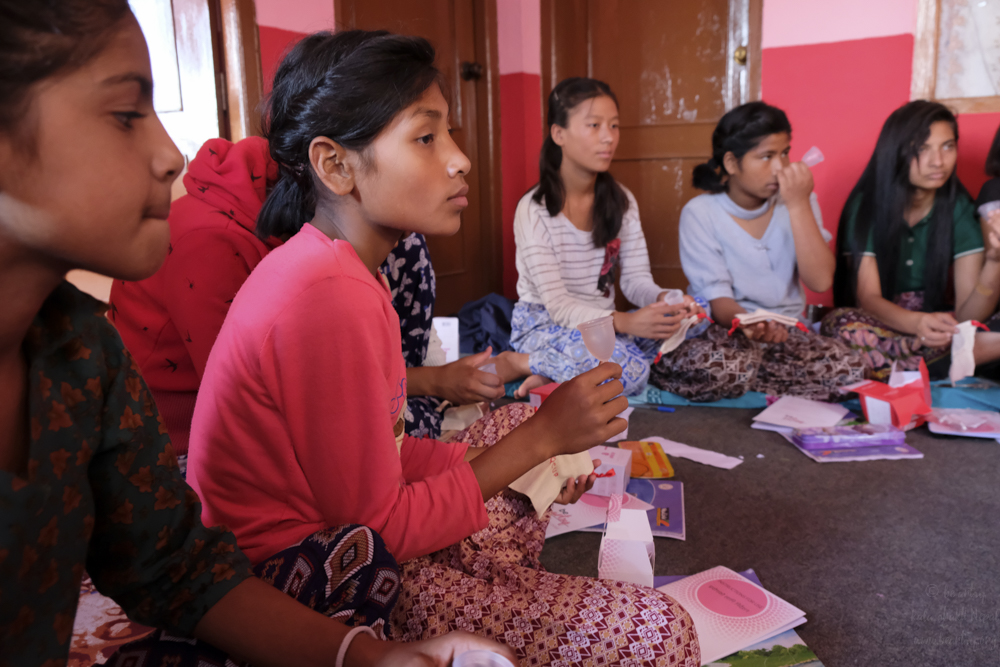
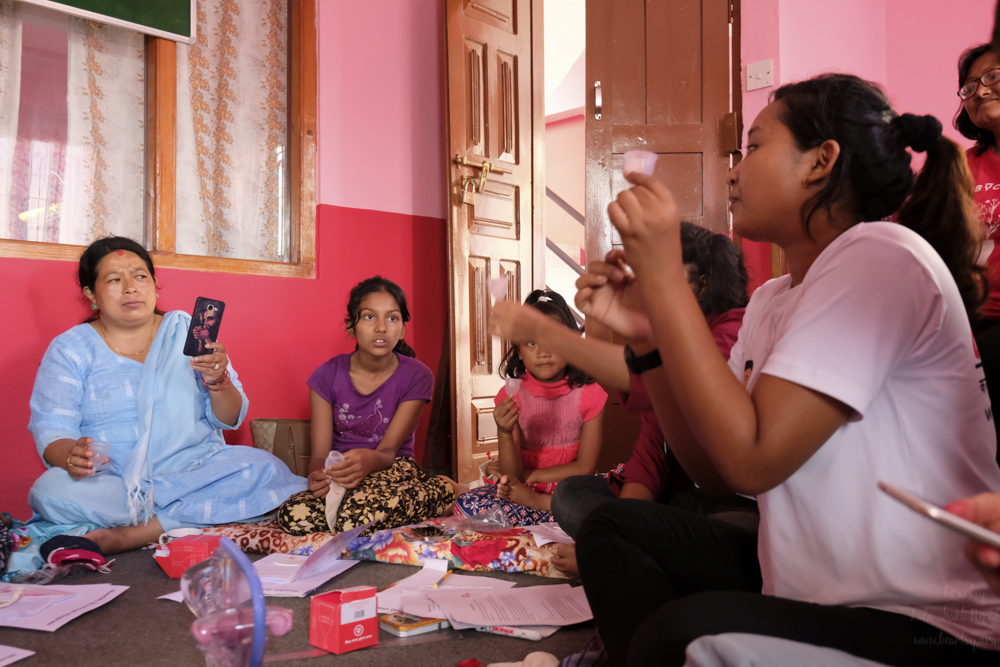
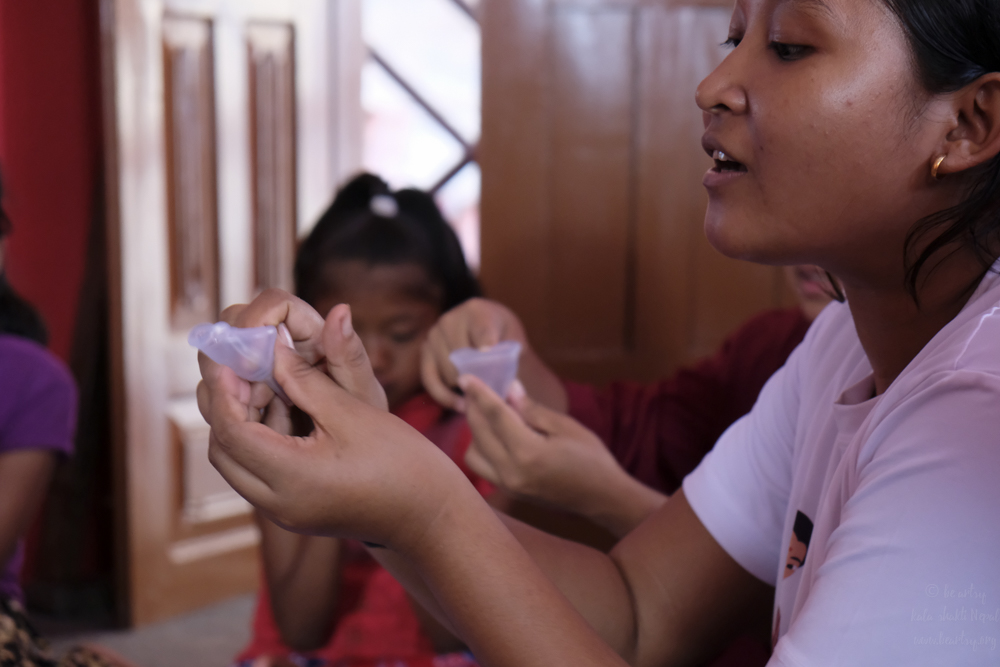
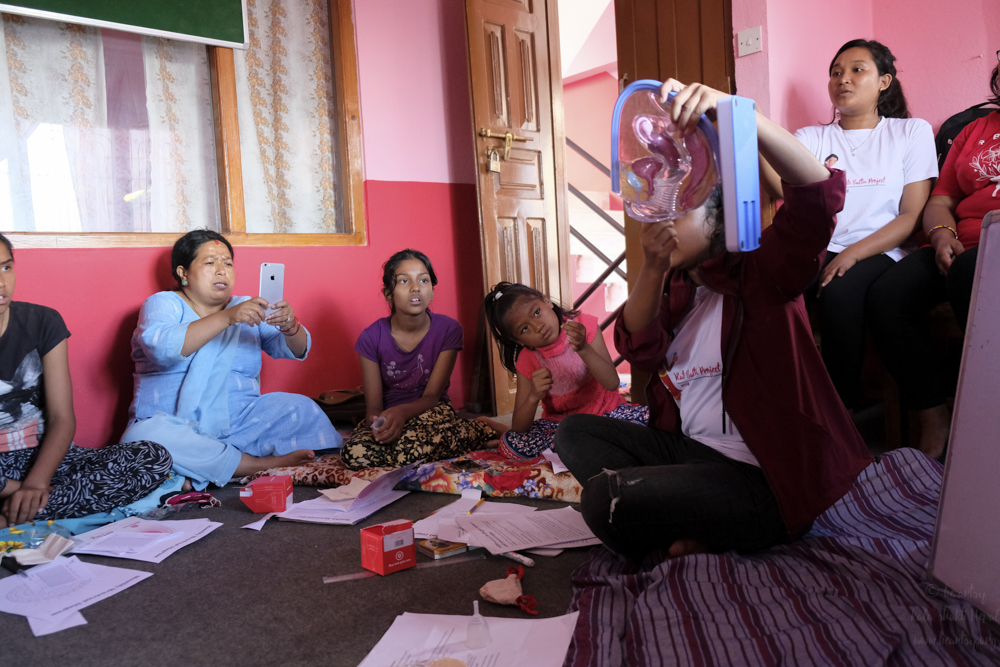
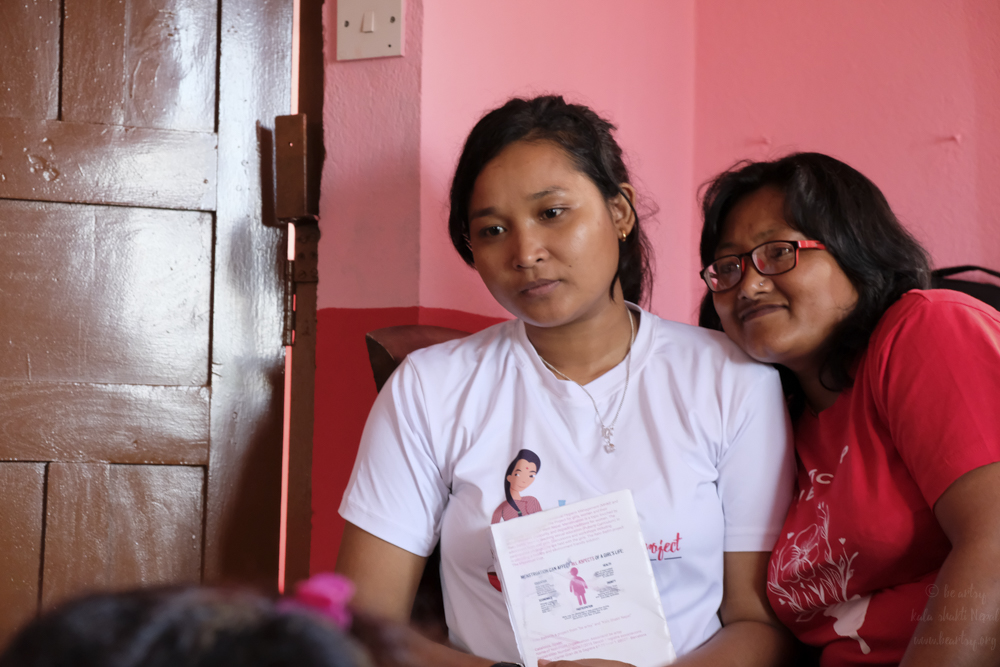
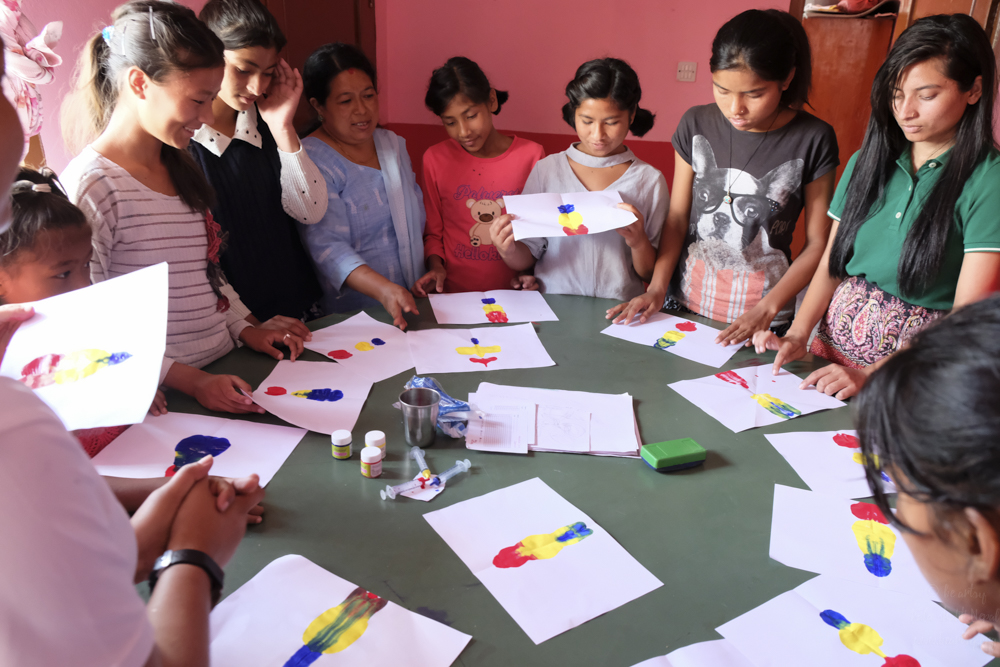
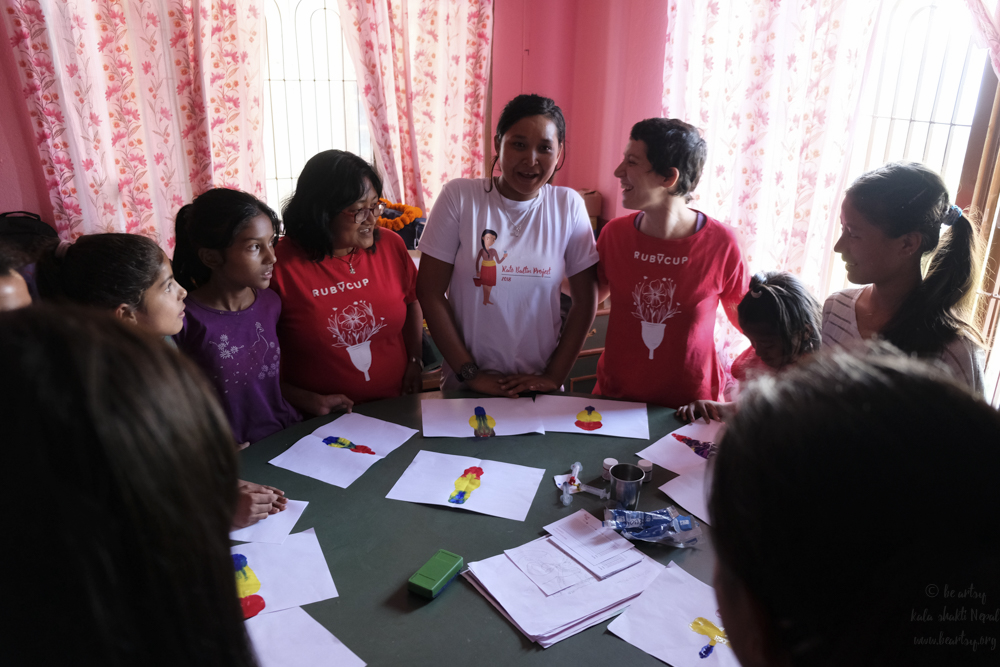
    Before we left to Achham for the Project follow up, we spent a day in a children’s home in Dhulikhel conducting a full puberty curriculum, sexual education, and menstrual health management training.

    We had been asked to do an intensive training, with a special focus in empowering the girls in self love for their womens’ condition. It was a really interesting point to begin the training through our associate, the Spanish Menstrual Therapist Beatriz San Roman.

    Beatriz was here to train our nurses, trainers and mentors in another way to teach menstrual health. (La casita sanadora)

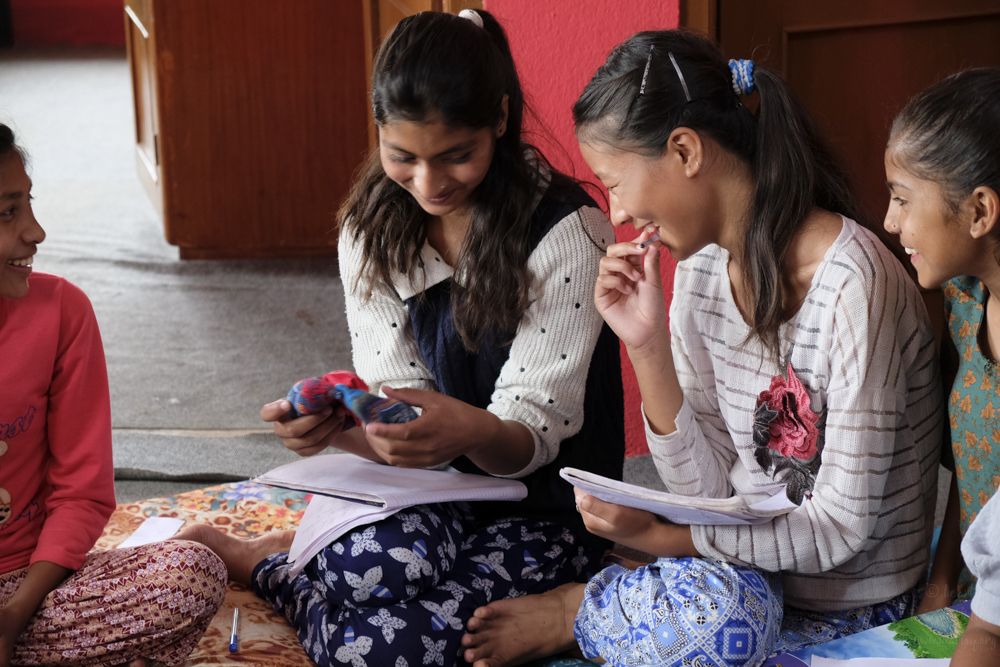
    She had taught the girls how to know our bodies better. She had a model pubis made of cloth, like a cushion, which aroused laughter among all the attendees. This allowed the girls to touch and understand what and where their vulva is, as well as their their clitoris, their fundamental anatomy.

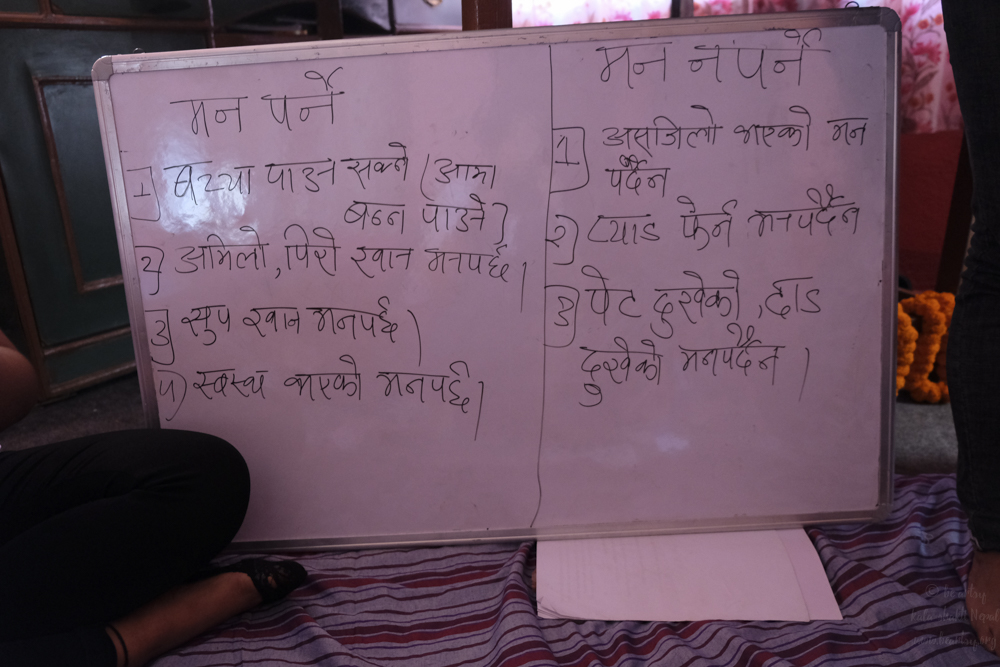
    As in the villages, we went through the likes and dislikes about their menstruation, to see how different girls from around Kathmandu are from the girls in West Nepal where our Project is established. Girls here care about their body, whereas in West Nepal, they care about the chhaupadi tradition.

    Here girls can be girls. Their, girls are forced to feel impure and stop thinking about normal things for a menstruating person to think about. They begin to think “I can not touch water”, “I can not enter the house”, etc.

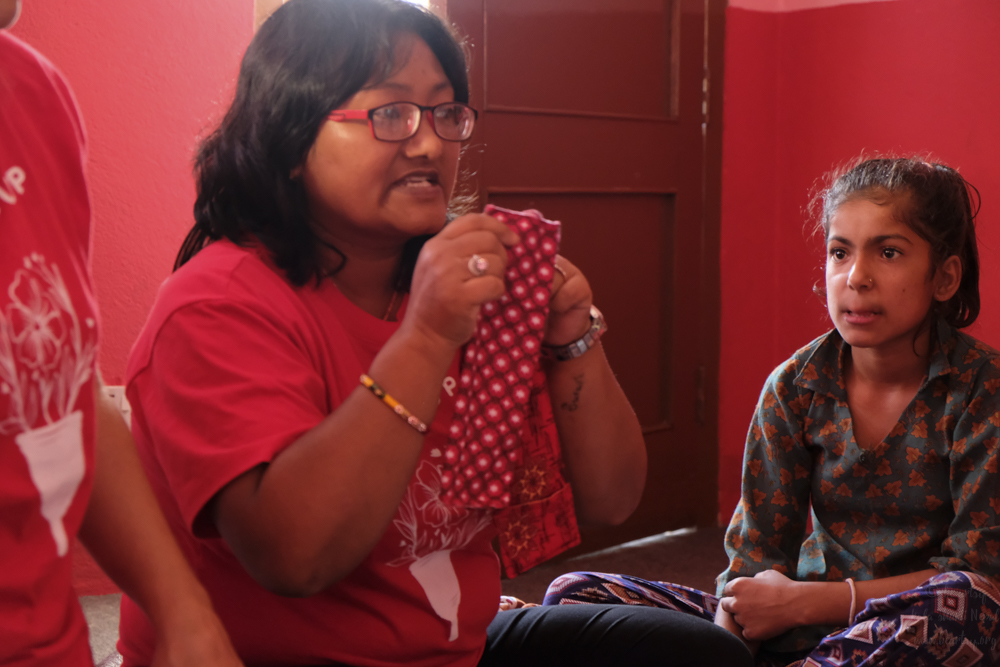
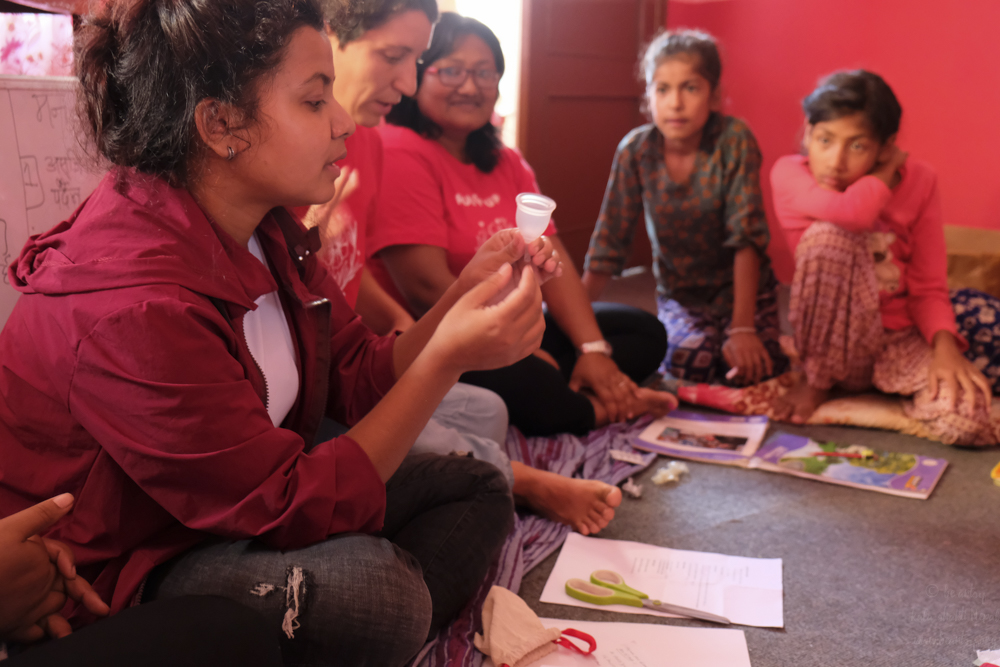
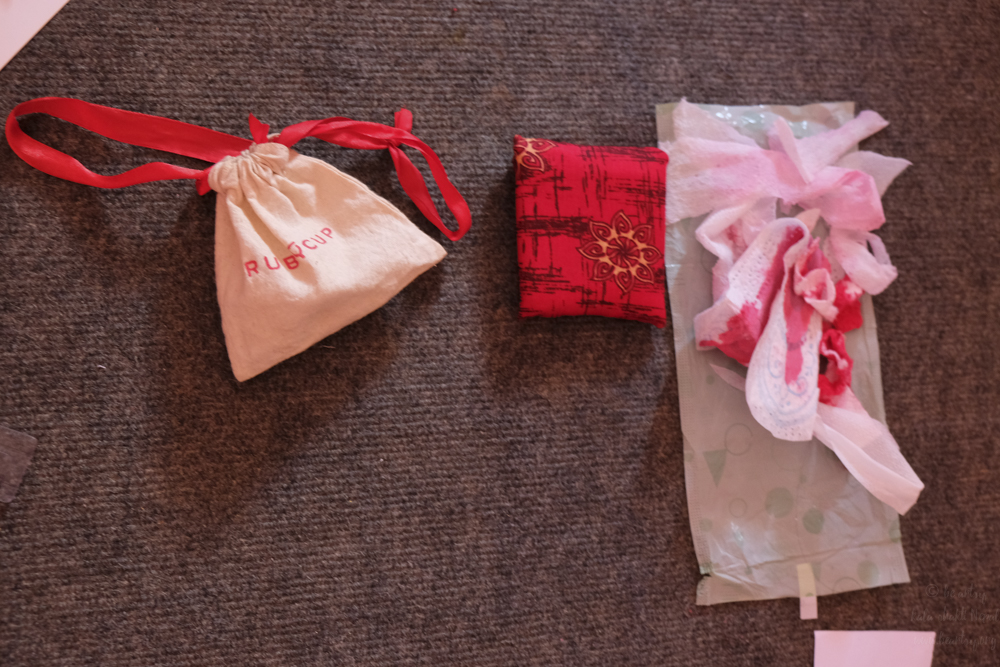
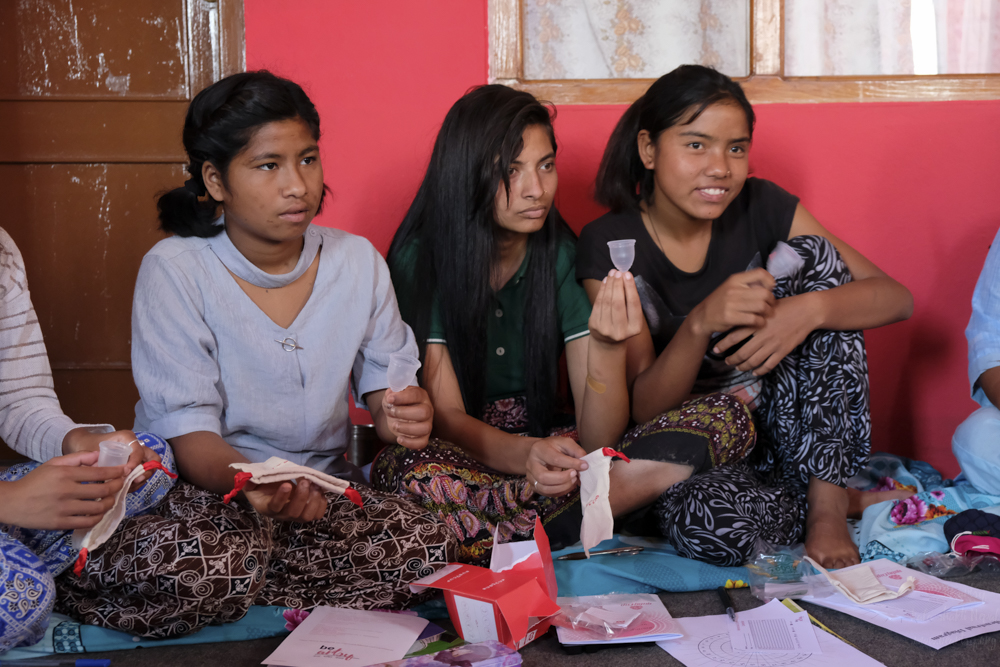
    We also explained how much plastic is in a normal pad, and conducted a menstrual cup training alongside how to use reusables menstrual pads.

    The girls of the childrens home had the great luck of having been sponsored for the  training, plus provided with menstrual cups for both them and their caregivers, as well as with reusable menstual pads.

    We were really happy to have had the opportunity to teach the girls. Moreover, we are especially grateful to the sponsor of the training for giving the girls, as well as us, this opportunity.

    It was a great day. We finished the day off with a play we saw in the menstrupedia trainings, and had decided to use because it was so marvellous.

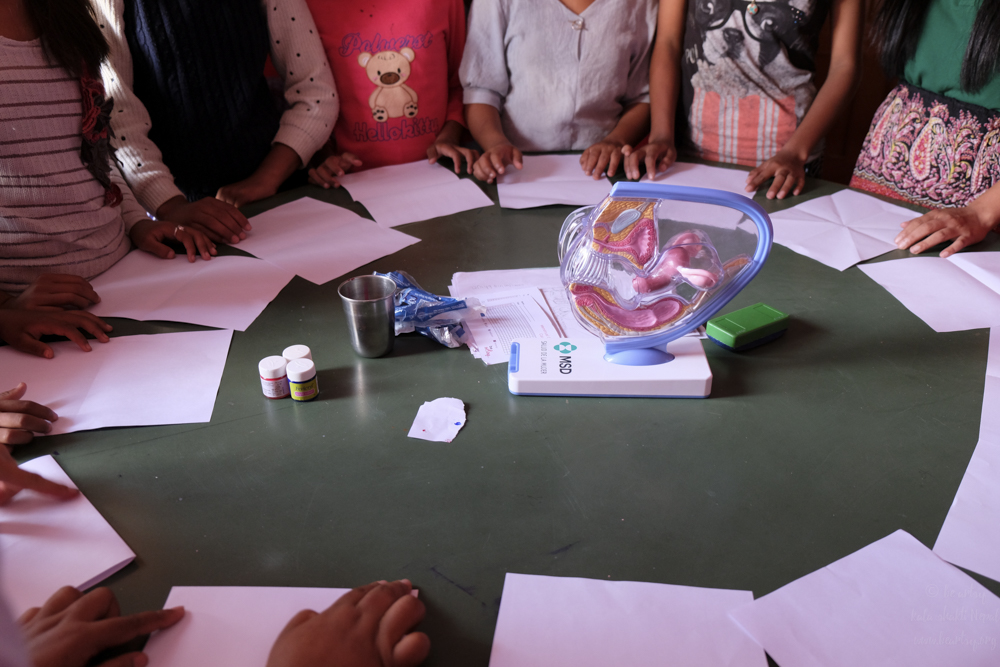
    The girls were given a piece of paper with 3 drops of the same colours, which when you folded, formed different patterns and mixed the colours.

    With this, we taught them that we are all similar, but unique.

    We have to love this uniqueness!

    If you are interested in having a similar workshop, please get in touch with us. Workshops can be done (at this moment!) around Kathmandu by our trainers, and in Catalonia by our associate Beatriz  (la casita sanadora).

    For more information you can write to us at info@beartsy.org 🙂 Thank you! <3


    (Photos at the bottom)

    
    Text & Photos ©  Clara Garcia Ortés ,  Fujifilm TX20, Text Correction: Kristy Davis
    

    West Nepal girls need this kind of program. And we need help to continue the project!

    Paypal recurring donations:

    Select a Donation Option (EUR)

    Enter Donation Amount (EUR)


    Or if you feel like it, you can donate via bank transfer at: Banc Sabadell IBAN: ES23 0081 0900 8200 0430 1934 BIC: BSABESBB (your recurring donation will help us have a better planning of our budget to carry out the projects undertaken).


    Or take a look to others ways to donate at http://beartsy.org/get-involved-with-rato-baltin/
    Thank You! 🙂


  • Malnourishment in West Nepal

    Malnourishment in West Nepal

    One significant problem that we have seen in our travels throughout West Nepal is the extent of childhood malnourishment.

    Sometimes this can be associated with very young mothers with little nutritional information support, but in other cases cannot. Though there are some nutritional programs that run throughout West Nepal, it can be difficult for mothers to provide the breadth and quantity of recommended food and vitamins when they only have direct access to the food grown in their fields.

    The districts in West Nepal with the highest rates of malnourishment in children under the age of five are:

    Humla        65.7%
    Bajhang     63.2%
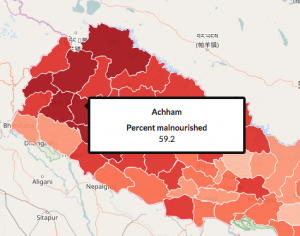
    Achham     59.2%
    Baitadi       59.2%
    Doti            57.6%
    Surkhet     57.9%
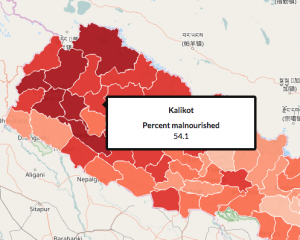
    Kalikot       54.1%
    Jumla         54.1%

    To find out the malnourishment rates of children under five in other districts, check out this interactive map:


    Maps and numbers from: www.nepalmap.org


    In Achham, for example, the amount of food grown and accessed by mothers is usually insufficient for the number of children they care for. The father is usually in India or abroad elsewhere working to send money back to their families, and women often don’t have the knowledge and resources to manage the crisis.


    My dear friend Dr Keshav Bhattarai, who passed away last December at 31 years, was the one who introduced me to the world of women in West Nepal. He was really upset because on average, every month six women in Achham committed suicide. These women had large families with many children that they were unable to provide with sufficient food, and often did not want to use contraception, or have access to the choice or relevant education about it. In this situation, women suffer a lot of stress and pressure.

    I don’t think anything has changed in the district since he left last year to work in Humla, before his death.

    Children are the foundation that the future of Nepal rests upon. Only a proper investment in today’s children will bring us to a better tomorrow.

    But a quick glance at the child nourishment data on www.nepalmap.org shows that 40% of children under the age of five in Nepal are malnourished. This means that today, almost half of children in Nepal under five do not receive a well-balanced meal, which not only hampers their development, but in turn the nations.

    In our workshops we teach the importance of proper nutrition, balanced meals, and hydration to the girls. Although this becomes increasingly essential once their menstrual periods start, proper hydration and nutrition is critical every day of the year, from early childhood into adulthood.

    And so we wait, hoping that little by little things are changing.

    Now you can contribute for paying one month salary to the nurse, or for some hygiene kit or for the menstrual cup control in September: https://www.gofundme.com/menstrual-cups-in-nepal-chhaupadi

    Written by Clara Go. Correction by Kristy Davies
    Maps and numbers from: www.nepalmap.org

    West Nepal girls need this kind of program. And we need help to continue the project!

    Or if you feel like it, you can donate via bank transfer at: Banc Sabadell IBAN: ES23 0081 0900 8200 0430 1934 BIC: BSABESBB (your recurring donation will help us have a better planning of our budget to carry out the projects undertaken).

    Or take a look others ways to donate at http://beartsy.org/donate/

    Thank You! 🙂