Tag: Girls

  • Vulvita, an entrepreneur who sews and sells cloth compresses in Cambrils

    Vulvita, an entrepreneur who sews and sells cloth compresses in Cambrils

    Beatriz San Román es la creadora de la marca “Vulvita”, la cual vende productos menstruales reutilizables para poder reducir al máximo los residuos. 

    Beatriz San Román, Vulvita, con sus productos de higiene femenina
    Beatriz San Román, Vulvita, con sus productos de higiene femenina | María Vidal 

    Reducir al máximo los residuos y trabajar en la salud menstrual. Estas son los principales propósitos que tiene Beatriz San Román para seguir adelante con sus proyectos. San Román es una emprendedora madrileña que vivió en Cambrils y que actualmente reside en Mont-Roig. Tiene en marcha tres proyectos: “Vulvita”, “La casita sanadora” y “Residuo Zero Tarragona”, todos relacionados con los objetivos nombrados.


    Actualmente, se encuentra más centrada en “Vulvita”, una marca de compresas de tela y otros productos menstruales que ella misma cose a mano. “La casita sanadora” dice que lo que siempre había querido hacer, “un proyecto donde la gente puede acercarse a mi y de alguna manera sanarse, ya sea a través del yoga, de los masajes, la terapia floral… para buscar la manera de conectar con uno mismo”, de momento es el que tiene más abandonado porque conoció la terapia menstrual y supo que eso era lo que quería hacer. El último que ha creado, junto con una amiga, es “Residuo Zero Tarragona”, donde se venden productos que intentan fabricar ellas mismas o que vengan de cerca, que no produzcan residuos. Porque se han dado cuenta que “en casa es más fácil tener una vida zero waste pero cuando viajas es más complicado”.

    El proyecto va a surgir de una necesidad propia

    La emprendedora explica que el proyecto Vulvita va a surgir de una necesidad propia, ya hacía años que ella cosía sus compresas de tela con roba reciclada que tenía en casa. Hasta que las personas de su círculo y de conocidos también le pidieron de probarlas y así es cómo se va a “profesionalizar” para venderlas, sobretodo a gente cercana. Más tarde llevó a cabo una campaña de crowdfunding  para conseguir financiación y dar a conocer el proyecto. Fue cuando hubo que poner un nombre a lo de coser compresas y como surgió “Vulvita”. Afirma que este nombre se debe al hecho que siempre le gusta “traer a la luz las cosas que están ocultas, y poner este nombre era poner en terreno público una parte del cuerpo que estaba oculta, pero tampoco muy directamente”. En la misma línea, su empresa tiene un componente reivindicativo importante, ya que reclama que la menstruación se ha de desmitificar. “La mitad de la población menstrúa y no podemos hablar de ello?”, protesta. Per este motivo también da talleres a niños, porque le da miedo “que los niños crezcan en una sociedad donde no puedan conocer ni explorar su cuerpo, ni hablar de sus procesos biológicos”.

    Los productos se pueden adquirir en diferentes ferias, en las redes sociales y en algunos establecimientos

    Hoy, los productos de “Vulvita” se pueden adquirir en diferentes ferias de la provincia de Tarragona, como es el caso de “l’Espai Niu” de la Feria Multisectorial de Cambrils, mediante las redes sociales, o en algunos establecimientos de la provincia que tienen productos ecológicos. La emprendedora afirma que hay diversos motivos por los cuales cambiar y empezar a utilizar las compresas de tela, aún que evidentemente, una de las principales razones para usarlas es para favorecer el medio ambiente, ya que permiten tener una menstruación de residuo cero. Un gran cambio respecto a la cantidad de residuos que generan las compresas habituales. Las clientes que las compran forman, forman parte de una gran abanico de edades, ya que va desde jovencitas que quieren tener alternativas al material de un solo uso o mujeres que las usan para la pérdida de orina. Por otra parte en dos ocaciones la creadora de “Vulvita” ha viajado al oeste de Nepal con el proyecto Rato Baltin de la ONG Bearsy, que tiene como objetivo dar información de salud menstrual a niñas y mujeres de la zona. El propósito de este proyecto es que ellas mismas sean consientes de los que les pasa, para poder erradicar la práctica del Chhaupadi y que las jóvenes nepalesas puedan utilizar siempre la compa menstrual.


    Finalmente, ella afirma que, especialmente el proyecto “Vulvita”, lo lleva a cabo porque “a parte de ser mujer, he sufrido lo que es ser mujer en esta sociedad”, también porque tiene mucha conciencia ecológica. Por eso, para ellas lo más importante actualmente sería reducir el residuo al máximo en cualquier ámbito – alimentación, cosmética, menstruación-, ser autosostenible y concienciar a la sociedad sobre esta tema para que comience a ser responsable de los residuos que genera.


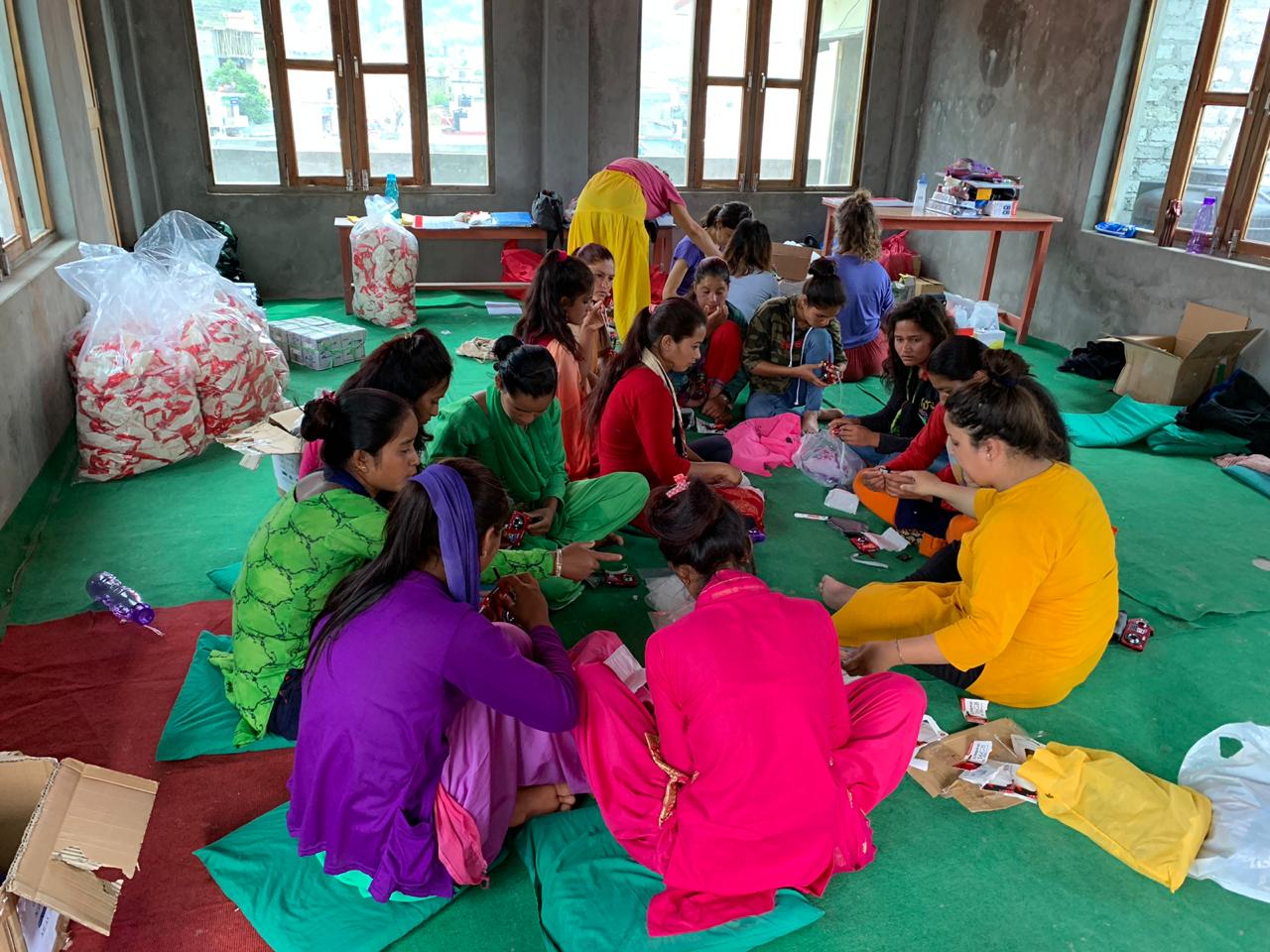
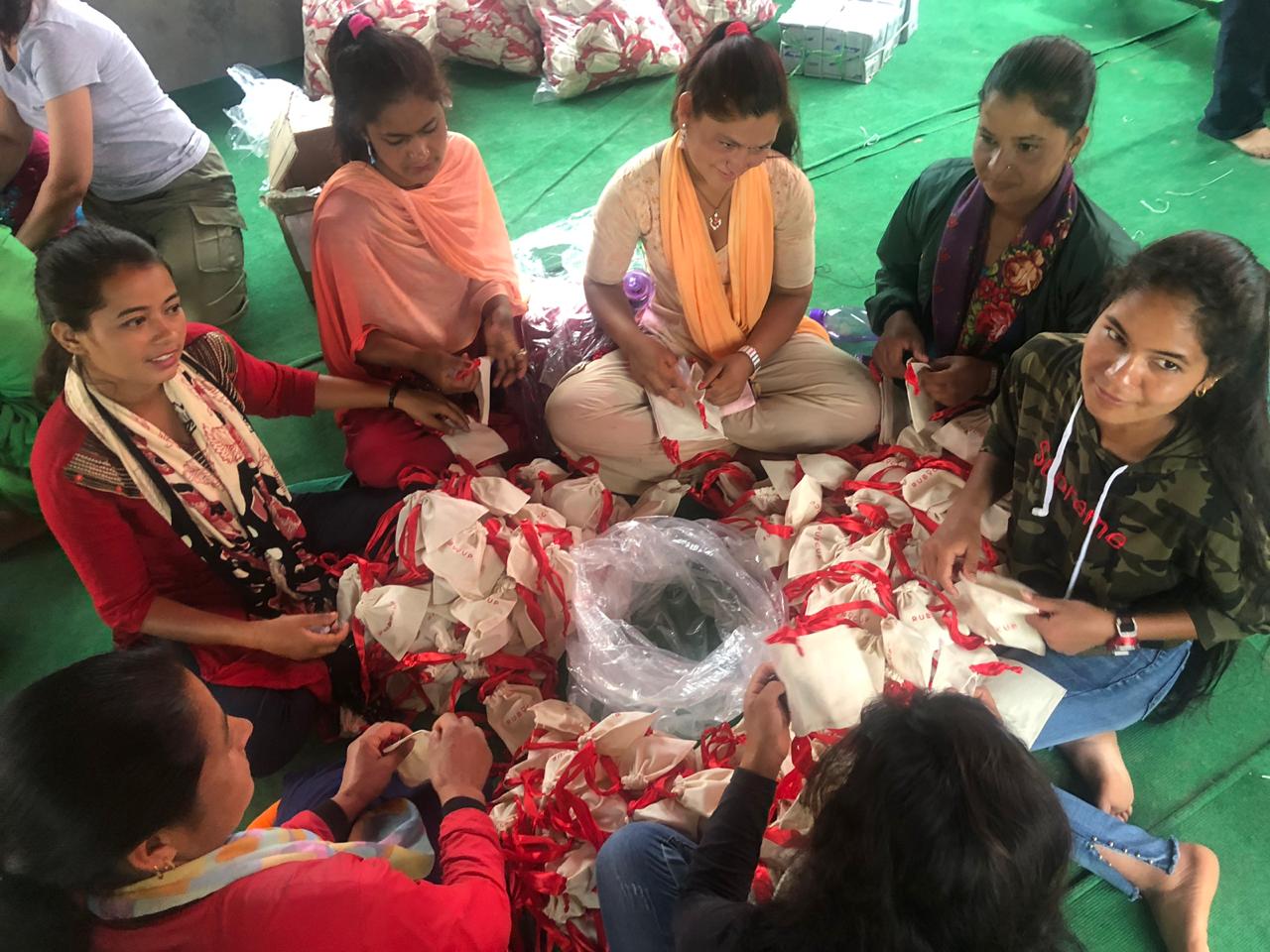
    Imagen de las compresas de tela que confecciona Vulvita
    Imagen de las compresas de tela que confecciona Vulvita


    Por: María Vidal | Publicado en: Cambrils.cat 
  • Exploring myself (Nepali Volunteer Testimonial)

    Exploring myself (Nepali Volunteer Testimonial)

    Testimonial write in Nepali by Rupa Pandey, after the Nepali one you can read the English translation.


    Just like every other day, on January the 11th, 2019, I was checking my Facebook and suddenly a post drew my attention: that post was about the Rato Baltin Project, about the menstrual tradition “Chhaupadi”, which is still practised and deeply rooted in the Achham district, Far West part of Nepal, and explained how the project had been helping women and girls in menstruating age for two years by conducting a menstrual health management awareness program and providing health and environment friendly options to the sanitary pad, i.e. the “menstrual cup”, which makes menstruation a little easier for women and girls in Achham.
    The word “Chhaupadi” disturbed me a lot, this word is so cruel in its meaning. When mentioning Chhaupadi we only talk about Achham, but some kind of Chhaupadi is still practised in each and every village and cities of Nepal. The only difference is that menstruating women and girls in Achham are forced to sleep in the chaugoth. Except that, everything is quite similar: don’t touch this, don’t go there, don’t do this, you are impure… We have grown up with all these restrictions and heard these harsh words all our life, which is truly painful.

    After reading this post, I felt a strong impulse to help in the project so I immediately wrote a message to the Rato Baltin project in the “How can we help the project apart from with financial support?” part. The next day, on the 12th January 2019, Rato Baltin replied to my message with a “Hello, My name is Clara, you can come to our office if you want to help”, and including the location map. This was how my relationship with Rato Baltin started.

    I started to work in Rato Baltin as a volunteer from that January, and my main responsibility was to translate all the documents related to the project into Nepali. Clara asked me if I wanted to go to Achham in April for the project. At the beginning I told her that I would only go for 15 days, but later I changed my mind and wanted to go for 2 months, say the full period of the Rato Baltin Project in Achham. This decision changed my life in a very positive manner.


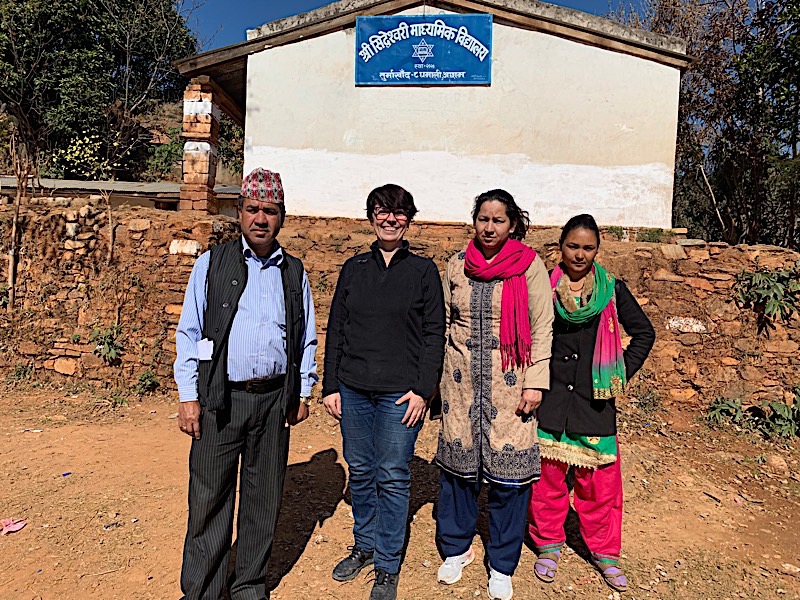
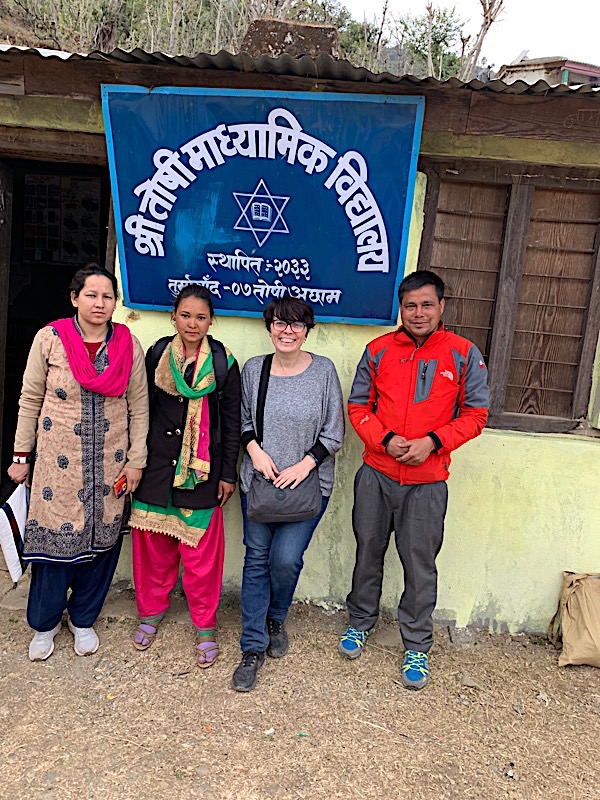
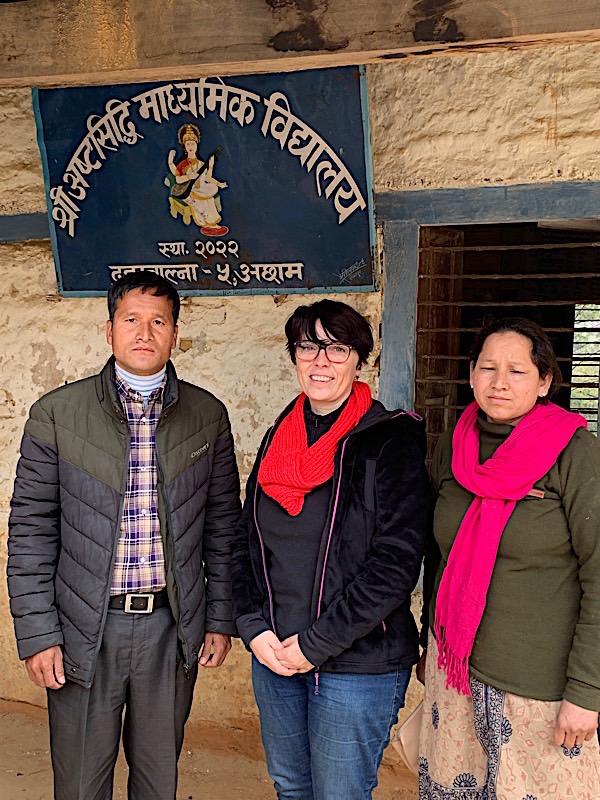
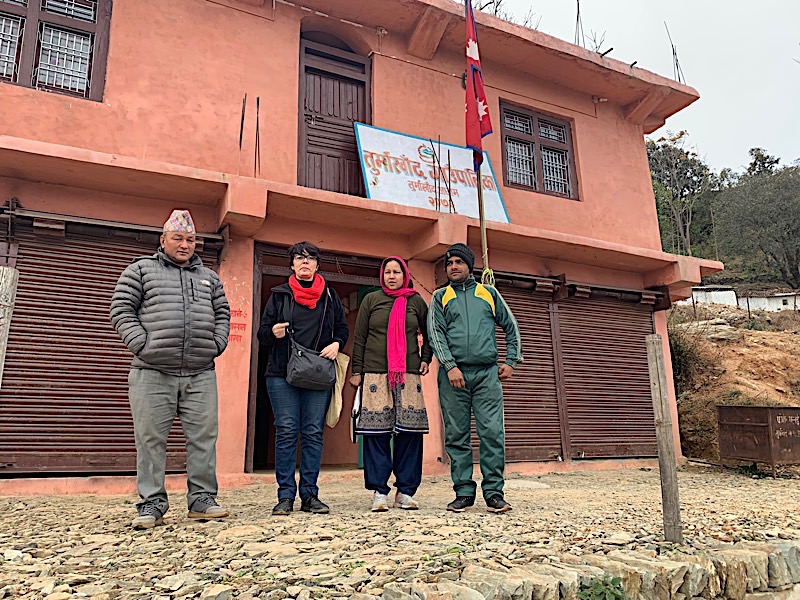
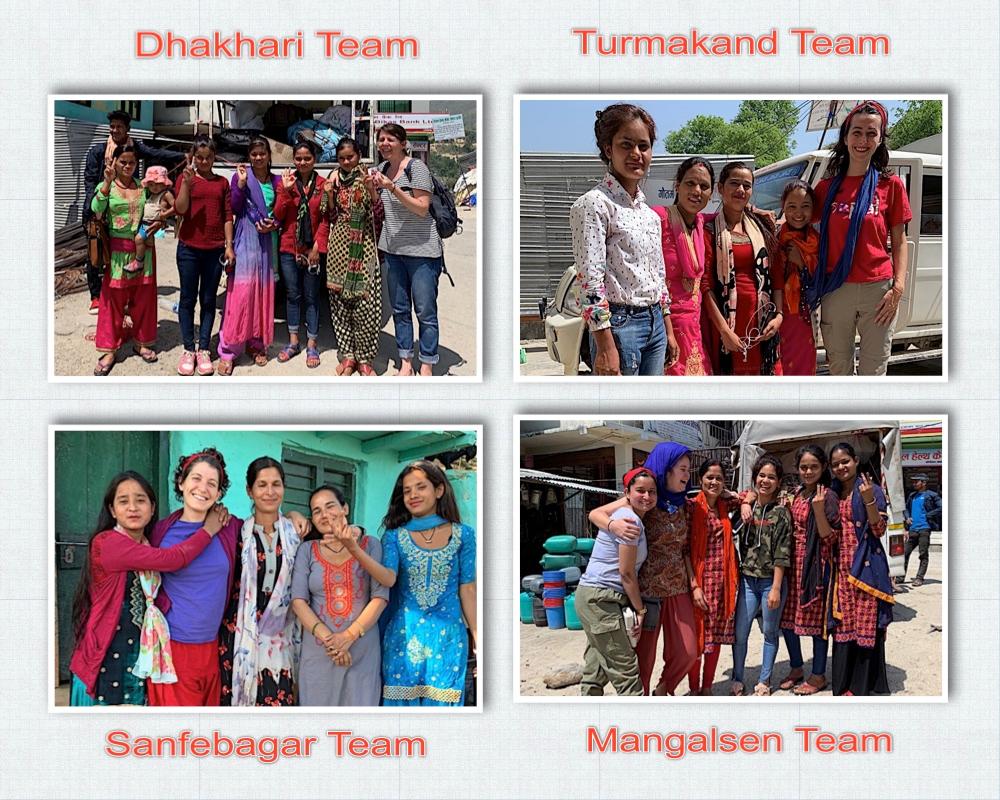
    When we finished all the work for the project in the Kathmandu office, we left for Achham on the 14th April 2019. After 2 days of travelling by bus and jeep, we reached Sanfebagar, municipality of Achham, where we were given a course to become trainers for 10 days. The Rato Baltin project had been working in the Mangalsen municipality for 2 years only, but from this year the project was going to work in one more municipality: Sanfebagar, and 2 rural municipalities – Dhakari and Turmakhat.

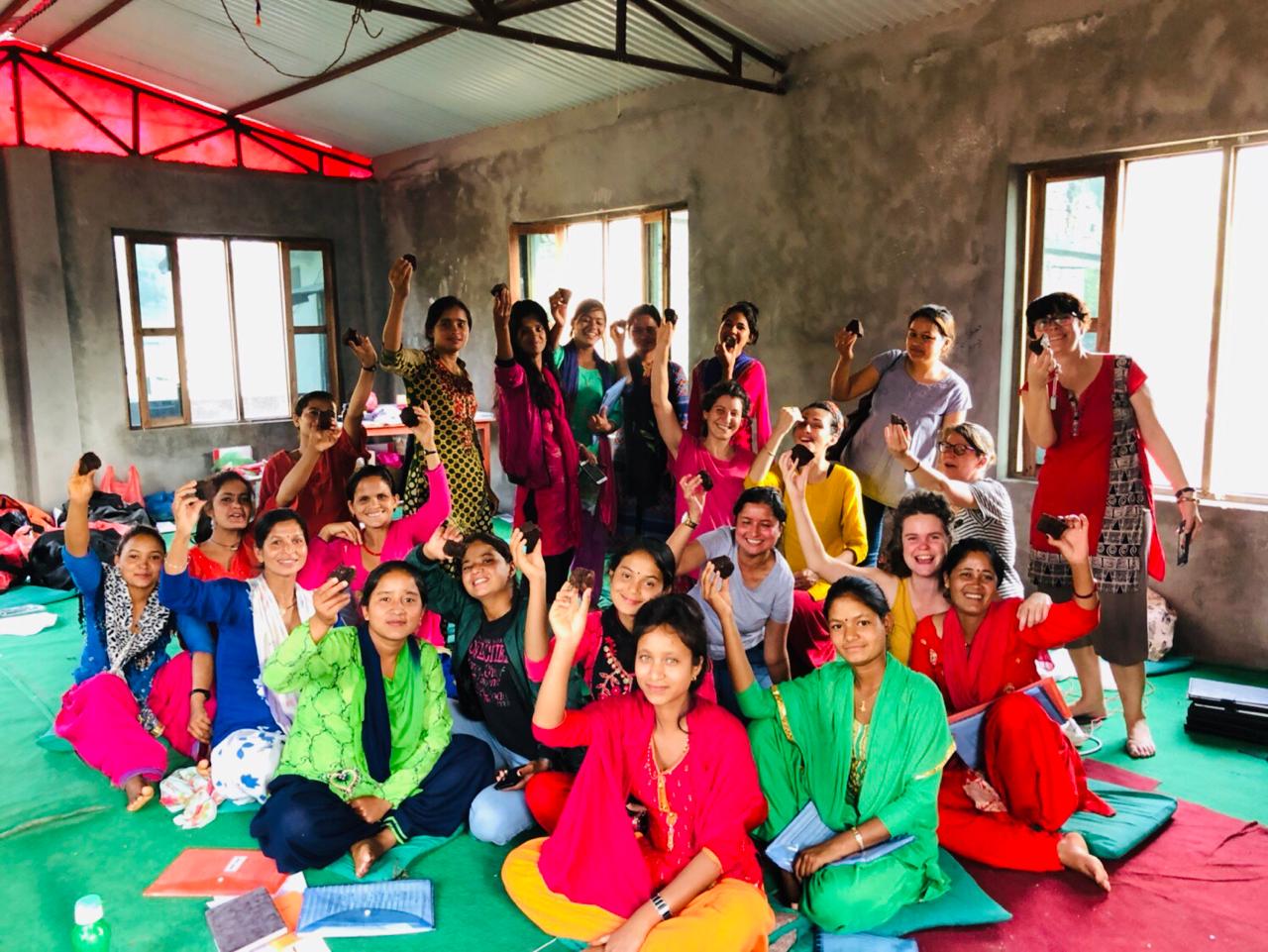
    On the 17th of April 2019, the education of the trainers started. 5 foreign volunteers were also with us to help with the project. My job during the training was to translate the training scripts, make our trainers and mentor understand the scripts, and translate their questions and curiosity to Clara. I was there as a translator because all our mentors and trainers were local girls from Achham, who had difficulties in understanding English. During the 10 days of training in Safebagar, I had the opportunity to know our mentors, trainers and foreign volunteers, and to learn to live together helping each other. Every day after the training we used to go for a coffee and a brownie. A brownie in Achham was like water in the desert. Now when I remember those moments, I realize that to be happy you don’t really need big things, as even small things can give us so much happiness.

    When the 10 days training finished, it was the moment for the teams to leave for their work destination. Every team had 1-1 foreign volunteer. Saying goodbye was really hard for me after the bonding we had formed, but I knew I would get the opportunity to meet with all the group members again because Clara and I were in the managing team.

    As the managing team, Clara and I had to visit at least one village of each team and evaluate and supervise their work. I was able to see again all the members of each team and had the opportunity to get closer and to know them more. The girls called me didi (elder sister), and they used to come to me for each and every problem they were having. At the beginning I generally taught them with anger and rudeness, but slowly I realized that I could help them with patience, care and love.

    This project has made me learn to be more patient and kinder in my personal life. The foreign volunteers also needed my help whenever they had to communicate with the girls because neither the foreign volunteers nor our girls could understand each other’s language. I was helping them to connect with each other and understand what they wanted to convey. It was my privilege to be able to help.

    I had a good relationship with all the foreign volunteers. Even though we were from different cultures and backgrounds, we were able to live as a family, helping each other and comforting each other whenever we missed our families. During the stay in the remote village of Achham, sometimes we had to sleep in same room, and at times, due to the superstition of the Chhaupadi, we had to spend the night at the school’s library. Even the simple food we ate in the village was tasty because of the affection that people showed us. We didn’t even have basic things we needed in the village, but I never felt like I was missing something. Two months in Achham has taught me a lot, and I was able to see real the Nepal. I will always thank Clara and the Rato Baltin for this opportunity.
    I consider myself very lucky to be able to help the women and girls of Achham. I felt so proud when I saw our mentors’ and volunteers’ confidence growing slowly with the Project and being empowered. In a society where menstruation is considered a taboo, when our girls describe how clean and pure the menstrual blood is, I really feel proud to be a woman. The work the Rato Baltin Project is doing for the women and girls from Achham is really significant and deserves respect. I cannot describe the happy faces of the women and girls when they were able to talk about their menstruation and when they were receiving the menstrual cups. The Rato Baltin Project is actually changing the menstruation conditions of the Achhami female population. It is priceless.


    Now, I am back to my regular life, but the 2 months in Achham will always be in my heart. Those moments are very precious to me. All those memories from Achham, like bathing in the community tap with our petit-cot, waiting in the queue for using the toilet, the evening walk to the village and through the forest being so beautiful. The simple life and the love of the people of Achham has made this place very special to my heart. I feel like Achham is my second home.

    While working with the Rato Baltin Project in Achham for 2 months I had the opportunity to learn a lot of things. I established some very precious and beautiful relationships which will always remain in my heart. The love and affection from our girls make me feel like they are my own little sisters (bahini), and I wish for their happiness and progress in their future lives.

    My confidence has grown together with that of our girls. I can feel the change in Rupa before Achham and after Achham, and this change is very positive. I had the opportunity to know myself and my capabilities. I have developed the ability to cope with and handle difficult situations, of how to live and work together in a team, and to be able to be helpful to others. The Rato Baltin Project has given me a beautiful family. I want to express my gratitude to the Rato Baltin Project and to Clara for accepting me as a member and giving me the chance to grow positively.

    Thank you so much, Clara and the Rato Baltin Project, for believing in me.

    Written by Rupa Pandey, photos © Anne-Laure Crepin, correction by Ixone Saenz and Tere Salinero.
    

    West Nepal girls need this kind of program. And we need help to continue the project!

    Paypal recurring donations:

    Select a Donation Option (EUR)

    Enter Donation Amount (EUR)

    Or if you feel like it, you can donate via bank transfer at: Banc Sabadell IBAN: ES23 0081 0900 8200 0430 1934 BIC: BSABESBB (your recurring donation will help us have a better planning of our budget to carry out the projects undertaken).

    Or take a look to others ways to donate at http://beartsy.org/get-involved-with-rato-baltin/   or https://beartsy.org/become-an-associate/
    Thank You! 🙂

  • First part of the Rato Baltin 2019 project: general assessment

    First part of the Rato Baltin 2019 project: general assessment

    Taking some days rest after coming back from Nepal, we let you know how did this first part of the Rato Baltin 2019 Project go.

    We had a risky bet, to cover as many villages as our financial resources may allow. From September 2018, we prepared everything for six municipalities, but after the trip we made in situ during January, after seeing the difficulties and taking into account the resources we seemed we had found, we decided to focus on just four municipalities.

    This decision has brought us both positive and negative things. We always say that in Nepal everything changes and anything can happen, but this year we have been able to ascertain that this is also applicable in our own country.
    In Catalan, we have a saying that goes: ‘Do not say wheat until it is in the bag and well tied’. Its equivalent in Spanish is: ‘Do not sell the skin of the bear until you have hunted it’ (what a cruel proverb). In English the same would be: ‘We must not count our chickens before they are hatched’ 🙂

    The positive things:

    We have been to 4 municipalities (16 schools/villages):

    • Sanfebagar, a municipality with a high presence of Chhaupadi, despite not being as far away as many others. This is where our partners are located for this part of the project, in Accham: 3 villages/schools.
    • Dhakari, just in the little mountain opposite our very much loved Basti: 3 villages/schools.
    • Turmakand, one of the most remote places in Accham, near the river Karnali. And where last year died the girl whose parents buried to try to hide the fact. 3 villages/schools.
    • Mangalsen, district where we have been working for the past three years and from where most of our staff comes from. 4 new villages/schools + 3 from last year. In November, during the follow-up, we will do a further two.

    In summary: in Achham, during this 2019, we have been working in 16 villages/schools and in November we will add another 2. We have reached 5,347 direct beneficiaries. With 1,353 new users of the menstrual cup.

    What we feared most about the project this year was that all the facilitators were, whether local women from each municipality, or former students from previous years. On one side, we had the security that the message would arrive best with local girls than with nurses from Kathmandu; on another side, we were afraid about if they had assimilated the information we gave them in September and the hyper-intensive training of 9 days we imparted before the start up.

    And I have to say that here laid the wonderful surprise, of which we all felt very proud: the girls absolutely rose to the occasion at all times. Where one could not reach, another would, and the groups complemented each other marvelously!

    To see those girls, so sure of themselves and empowered, has been one of the best things of the project, just for that, it has all been worth it!

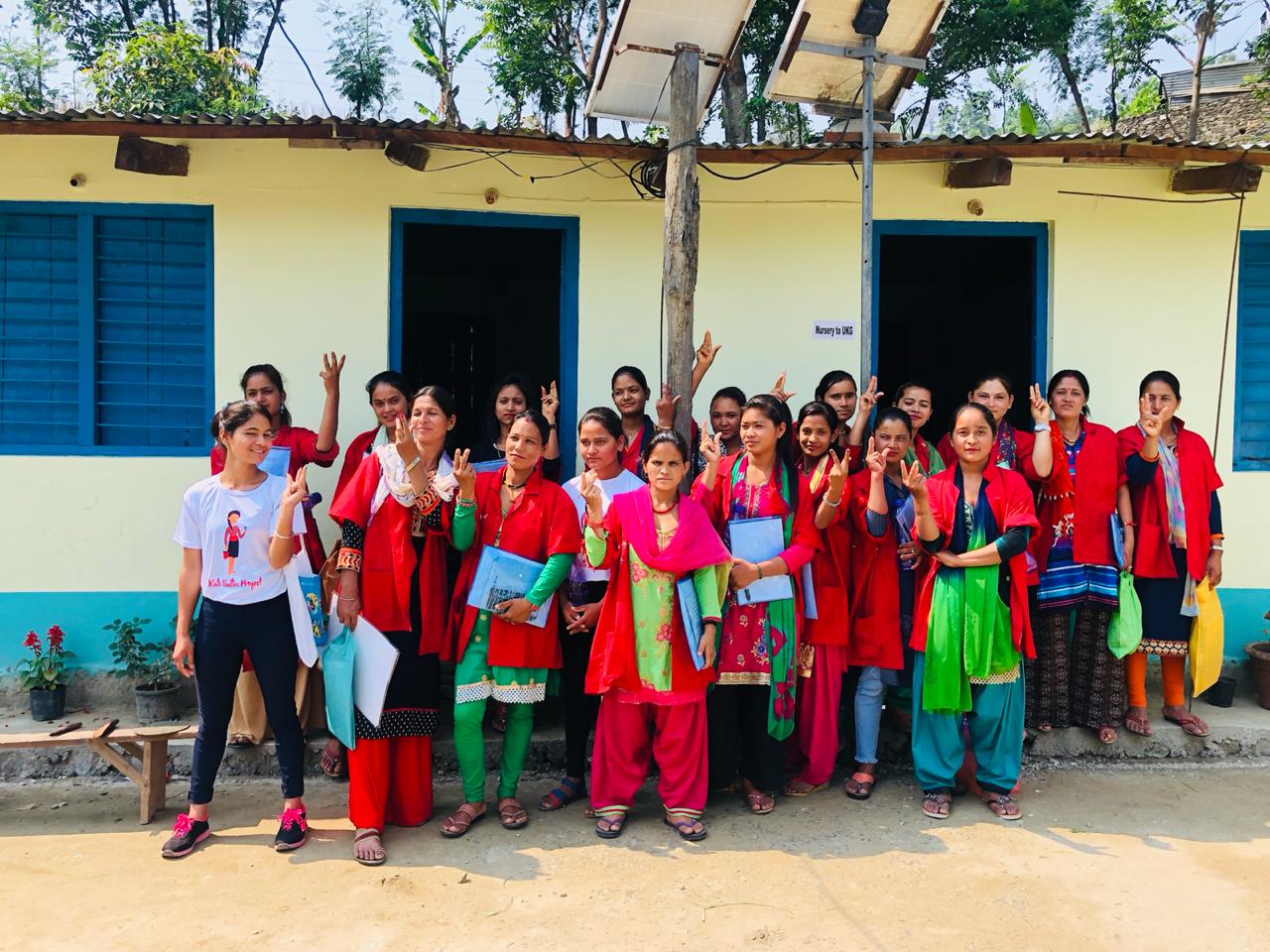
    In each group there was at least one trainer (in some even two because we had six already trained) and three or four mentors (ex pupils of ours, users of the Ruby Cup), and a foreign volunteer.

    It has been a hard experience for every one of the volunteers: these girls do barely understand English. But an interesting one. Bea already wrote about the training we did in Sanfebagar, and Eleonora, Anne Laure and Maisei will do it as soon as they have some time to spare. At the same time, for each team of Nepalese girls, to have a foreigner who could not understand them has also been hard because of the difficulty to communicate, but a great help in what regards technical and safety matters. The foreign girl is like a ‘bait’ to attract the women, men and girls to the class groups!


    Rato Baltin's teams of 2019


    On another hand, Rupa and me (Clara) have been acting as managing team and trying to sort out queries and problems that may raise. Rupa is an extraordinary woman with whom I have worked really well and I think that she is the perfect Project Manager for our project in Nepal. She is an independent woman with her own import company of “Cozy Cups” menstrual cups. Quality cups that she sells at a fair price to women in Kathmandu: 1,500 rupee. In Achham, if any mother does want one, the price is 800 rupee.

    In Kathmandu, we have had our interns Raunika and Simran. Two veritable gems that will come to be fighting women, promoters of the change in their country. Both are studying for a master, one about gender studies and the other in international cooperation.

    In all, we have three angels working with us!

    We have also had the help of Pashupati Kunwar, who, as adviser in Samabikas, has assisted us in specific and difficult subjects such as how to sort out all the legal paperwork to be able to receive the donation of the 3,000 Ruby Cups, organize the accommodation and the place for the training in Sanfebagar, and she has as well helped us to ask for financial support from some municipalities. The district of Sanfebagar contributed with 100,000 rupees and the one of Mangalsen with 50,000. Mangalsen promised to provide some more funds during the next tax year.

    The negative things:

    Our Achham partner has not functioned that well. The project is very big and complicated, and it requests complete dedication that our partners could not give.

    Two big donations have failed to be finally granted. One we expect to have it still, the other we don’t count on it because we have lost all contact. This has put us between a rock and a hard place sometimes, and we have had to modify the project, spacing out the work of the facilitators and depending completely on the money we still don’t have to continue paying salaries and to undertake the follow-up after the six months.

    Faced with adversity, we always find creative solutions, but it is particularly exhausting to have to think about this all the time.

    My proposal to all of you – the continuity of the project depends on you :

    1 – Please fill in this form to become member of the NGO. We urgently need to have a regular income to be able to continue. Every donation helps.
    2 – Do become members of our Teaming group (1 Euro a month, all destined to the project), and do bring in your friends and colleagues (all the people in the company) to also collaborate. If we are 1,000 people giving €1,00 a month it represents a big help (we are now 10 members,
    and, by the way, it is deductible in your tax returns).
    3 – You may make now your donation in Gofundme  (If you are from Spain better use migranodearena), no need to wait for the end of the summer!


    We do really need cash now to send to Nepal so our facilitators can be paid their salaries.

    Something else that can help: I will be in Europe up to the end of October. We are looking for people who can assist us in planning events, lectures, expositions, shows, fundraising meals, or anything that you may think of, to raise funds!

    If any location comes up to mind or you want to organize anything, please do contact us! info@beartsy.org

    Many thanks for everything! 🙂

    Written by Clara Garcia i Ortés, translated by Tere Salinero
    

    West Nepal girls need this kind of program. And we need help to continue the project!

    Paypal recurring donations:

    Select a Donation Option (EUR)

    Enter Donation Amount (EUR)

    Or if you feel like it, you can donate via bank transfer at: Banc Sabadell IBAN: ES23 0081 0900 8200 0430 1934 BIC: BSABESBB (your recurring donation will help us have a better planning of our budget to carry out the projects undertaken).

    Or take a look to others ways to donate at http://beartsy.org/get-involved-with-rato-baltin/   or https://beartsy.org/become-an-associate/
    Thank You! 🙂

  • Achham: Training for the trainers and mentors for the 2019 workshops

    Achham: Training for the trainers and mentors for the 2019 workshops

    We finally made our first trip to Achham. This year the team is huge. We are in Sanphebagar and we have 10 days of training for the trainers and mentors who will be providing workshops in schools in Achham this year.
    Our great 2019 team:

    · 5 foreign volunteers: Maisie, Anne, Claudia (nurse) Eleonora (anthropology student), and Beatriz (menstrual therapist)
    · 2 project coordinators in Achham: Tejana, and Manisha
    · 6 trainers: Hiunkala, Ganga, Dambara, Juna, Rohina, and Basanti
    · 12 mentors: Tulsi, Manisha, Sangita, Lalita, Kamala, Goma, Bhagwati, Nita, Urmila, Rabina, Janaki, and Krishna
    · 1 photographer: Uma
    · 2 interns: Raunika, and Rupa (CEO assistent)
    · CEO of the project: Clara

    The buckets arrived two days later than expected and the menstrual cups also arrived late, but that’s how Nepal is. Luckily, everything arrived. We took advantage of the delay to prepare the routines and processes.

    It is very important that the trainers know exactly what they will be teaching. However, they have not been to the school and have not done the workshops. It is for this reason that we have the mentors. The mentors are girls between the ages of 16 and 18 who attended the workshops in previous years in Mangalsen. They assist the trainers and are a great help.

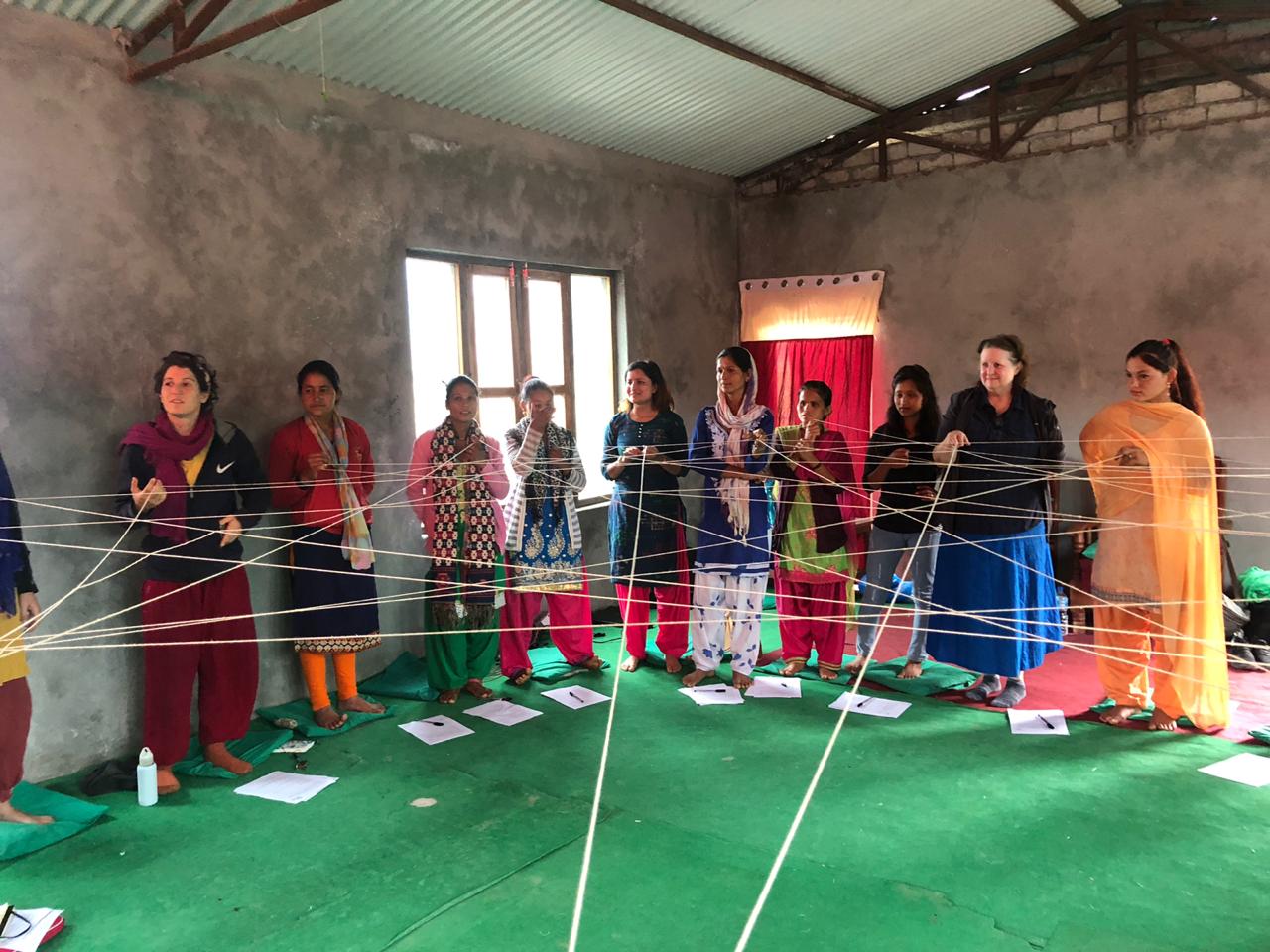
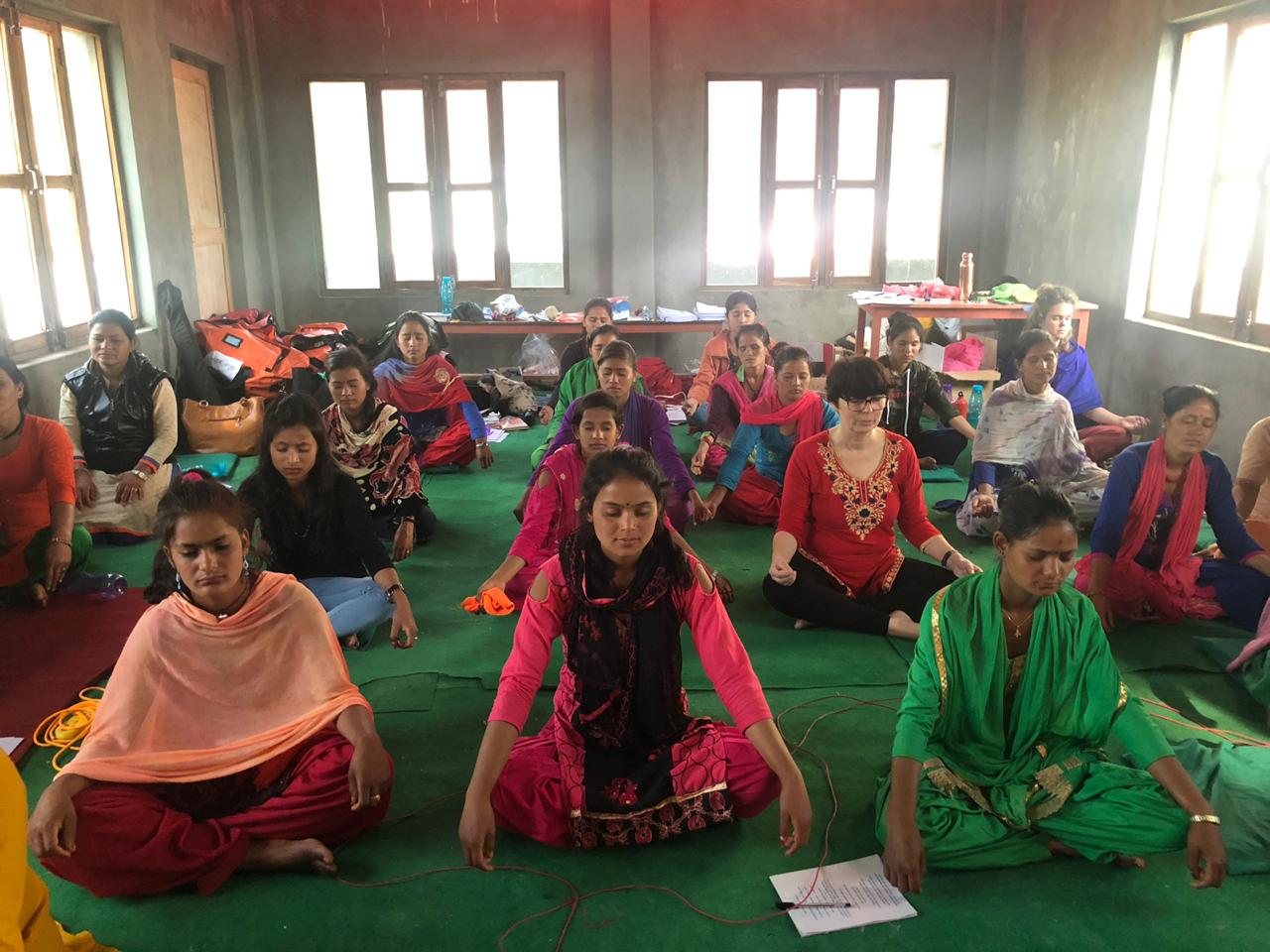
    On the third day, we met with the mentors and trainers in a small room at the hotel where we were staying. We went over what we will do during the first day of the workshops. We will present the project and play a game to help us bond. We will then discuss puberty, anatomy, and the menstrual cycle. We watched the film Monthlies, and taught the trainers how to use the projectors.

    The next day, we went over what we would be doing on the second day of the workshops. We practiced the meditation we will do with the boys. The trainers practiced with us to gain confidence and it went very well. While the boys meditate outside, the girls will stay in class and write what they like and don’t like about menstruating. We will use this information to make a problem/solution tree. The mentors already know how to do this and will teach the trainers.

    We continue with sex education, working as openly as possible because we know that the students at school are very curious and it is important that the trainers and mentors are prepared to respond to all types of questions. We also use questions from other years like, “How does a woman masturbate?”

    We talk about sexually transmitted diseases and methods of contraception, putting emphasis on the use of condoms because in this area the HIV rate is very high. When we explain how to put condoms on, it creates a lot of laughter and helps everyone to relax.

    We also talk about sex, gender, and sexual orientation, which is a taboo topic in Nepal. It took us a day longer than expected to finish the syllabus. We spent a lot of time planning the 6 days of the workshop. We went into detail about the menstrual cycle, the changes that come with it, and the tools we can use to keep track of it. We also discussed menstrual hygiene, menstrual products, pain management, and the importance of nutrition during the menstrual cycle.

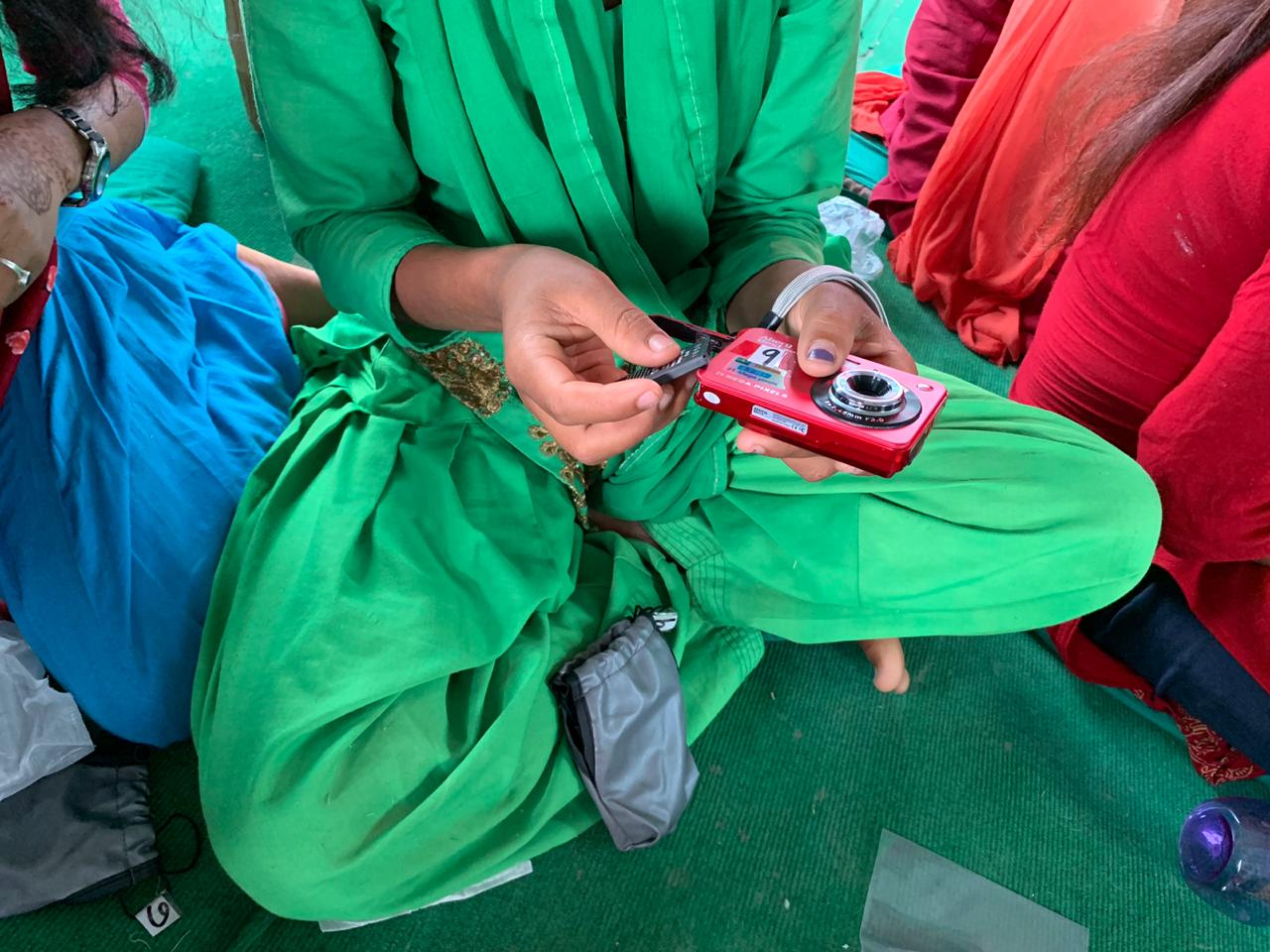
    We discussed the topic of photography with Uma, who taught the trainers so that they can later explain it to the girls at the schools.

    We also taught them about the menstrual cup: what it is, how it works, and how to explain it easily.

    Two guests from the Possible Health (a local NGO in the hospital) in Sanphebagar came to train the team in stress control and first aid. It will be the first time that some of these girls spend so much time away from home and it is important that they feel well.

    On the seventh day, the trainers explained part of the syllabus so that we could go over it together and see what needed to be corrected. In the afternoon, Anne, with the help of Rupa and Raunika as translators, explained how to use the tablet. We all helped each other learn.

    To help the team feel more confident, we went to practice at a school. The second day we practiced, everyone was less nervous and it went better. The trainers are getting more confident.

    On the day that we had to leave, there were not any jeeps for us to take, so we took advantage of the extra time to go over the use of Kotolbox, the application that allows us to digitalize the data. The mentors upload the data so that it is in the cloud and can be used.

    The last day we bought brownies for the team 🙂, there are brownies in Saphebagar!

    There is still a lot of work left. We still have to go to the villages and teach workshops using the information learned during the training days, but we know that everything we do is important for these women.


    Written by Beatriz San Roman and Clara Alberta Pinilla
    Photos by Clara Garcia Ortés. Translation by Maisei Still and Shae Citte

    West Nepal girls need this kind of program. And we need help to continue the project!

    Paypal recurring donations:

    Select a Donation Option (EUR)

    Enter Donation Amount (EUR)

    Or if you feel like it, you can donate via bank transfer at: Banc Sabadell IBAN: ES23 0081 0900 8200 0430 1934 BIC: BSABESBB (your recurring donation will help us have a better planning of our budget to carry out the projects undertaken).

    Or take a look to others ways to donate at http://beartsy.org/get-involved-with-rato-baltin/   or https://beartsy.org/become-an-associate/
    Thank You! 🙂

  • Trip to adapt the project to the conditions at the time we start the Rato Baltin 2019 execution

    Trip to adapt the project to the conditions at the time we start the Rato Baltin 2019 execution

    We are really happy at this time when are writing this note for the web. two weeks ago we did a quick travel to Achham (8 days) to see the work done by the new trainers and how were the conditions to arrive and work in the new municipalities.

    To the ones that have not read our project proposal for this 2019: we want to arrive to 6 different municipalities. In each one we want to work in 3 villages. And with that in mind, we trained last September 6 new trainers in order to have 6 different work teams at the same time in Achham district to make as much noise as possible and try to avoid any girl’s death in the next rainy season and next winter.

    If you are reading this but you don’t know what we do: you should read this page 🙂 but, summarizing, since 2016 we are working against  Chhaupadi with menstrual cups, participative photography and education. In Nepal, placing menstruating girls and women in sheds or huts is a centuries-old tradition called Chhaupadi, practised in the western parts of the Hindu-majority country.

    The practise is based on the belief that women took upon themselves part of the guilt of the Hindu god Indra for a murder he committed. Hindu literature and scriptures, including Chanakya Neeti, Manusmriti and Garuda Purana, mention that menstrual blood is impure. During their periods, women are considered impure, dirty, contaminated and bad luck.

    Menstruating women in West-Nepal are not allowed to touch nutritious food and in some places are instead offered beaten rice and salt. They can’t touch their husbands, other family members, water sources, fruit trees or cattle, among other things.

    Extreme temperatures expose them to health problems including pneumonia, diarrhea, chest and respiratory tract infection. Every year 3 or 4 women die during this banishment, because of asphyxiation, hypothermia, snakebites or other wild animal attacks, and nobody knows the true numbers of how many are raped.

    The project was prepared to cover as many municipalities as we could have money for. At this moment we have the money for just 3 municipalities, but we have been preparing ourselves for 4 minimum. We have faith that thanks to all of you we will get the money for those 4 or even 5!


    West Nepal girls need this kind of program. And we need help to continue the project!

    Paypal recurring donations:

    Select a Donation Option (EUR)

    Enter Donation Amount (EUR)

    Or if you feel like it, you can donate via bank transfer at: Banc Sabadell IBAN: ES23 0081 0900 8200 0430 1934 BIC: BSABESBB (your recurring donation will help us have a better planning of our budget to carry out the projects undertaken).

    Or take a look to others ways to donate at http://beartsy.org/get-involved-with-rato-baltin/   or https://beartsy.org/become-an-associate/
    Thank You! 🙂


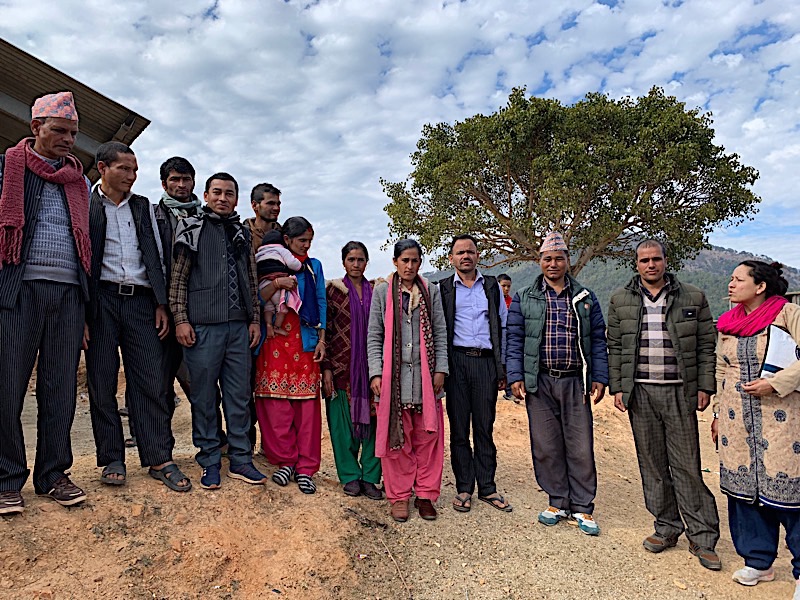
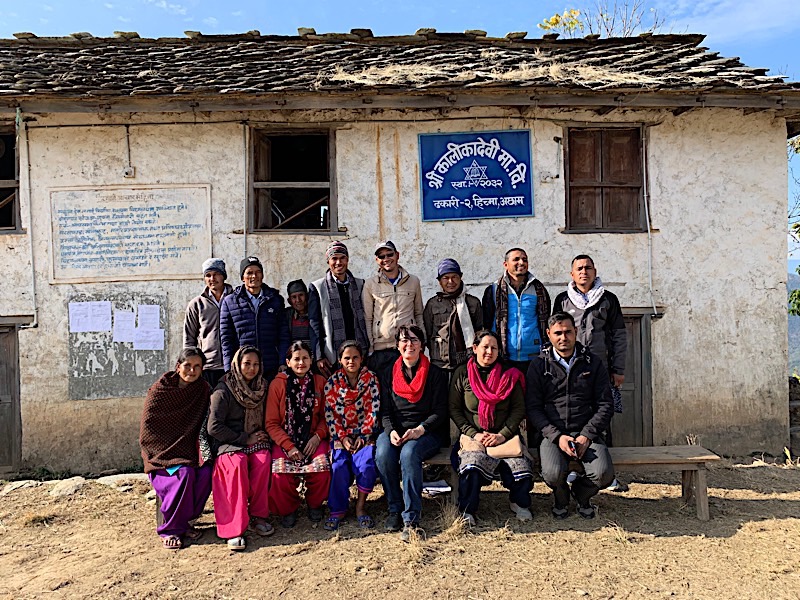
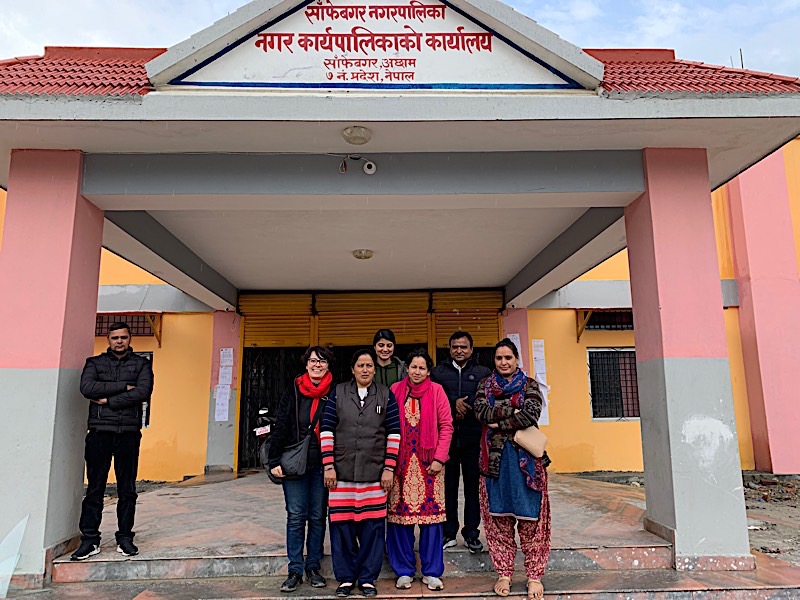
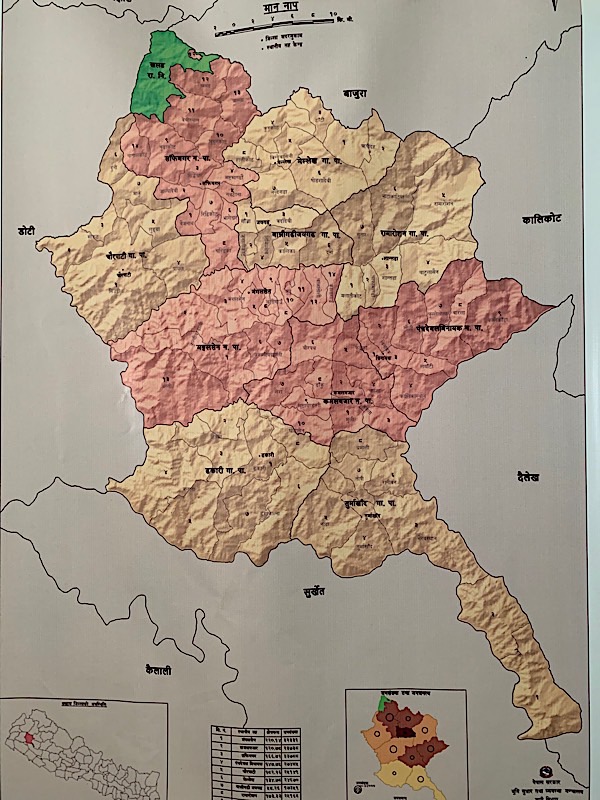
    As I was explaining, we visited 4 municipalities: Turmakhand, Dhakari, Mangalsen and Sanphebagar. 9 villages within these 4 municipalities (we could not reach 3 because it had been raining cats and dogs for the 2 previous days and the roads were impossible). The other 2 municipalities (Kamalbazar and Chaurpati) are ready to begin the project if we find the money, otherwise the trainers will help in other municipality and next year they will be perfectly ready to undertake the project at home.

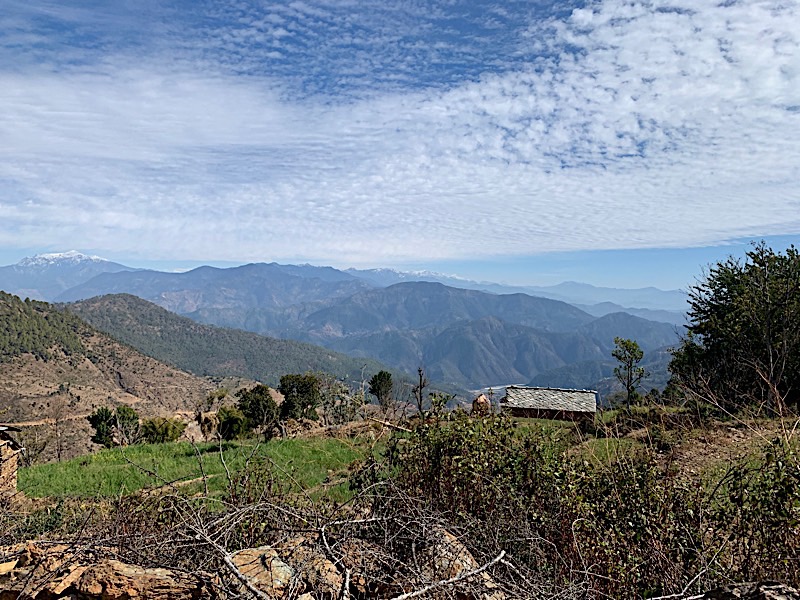
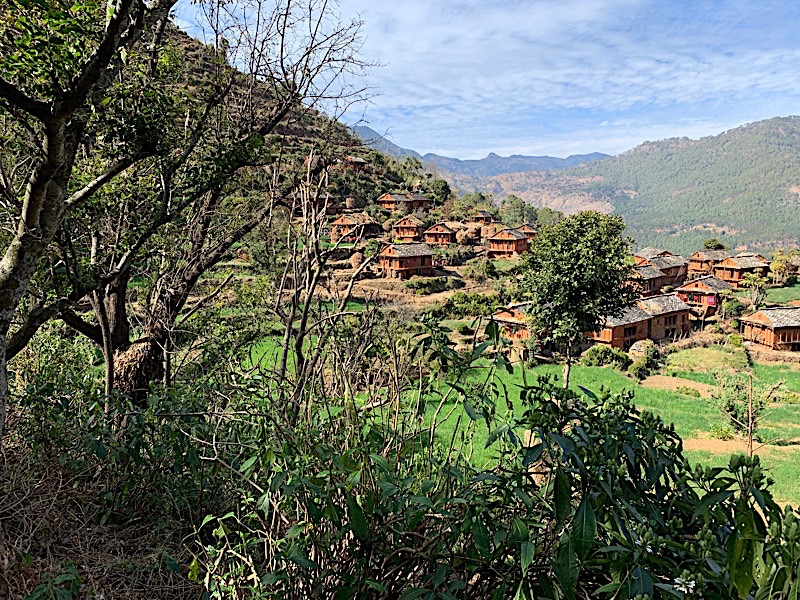
    The places are remote and beautiful! Each one of them has different things to offer, but all of them are of an exuberant beauty! We met 5 of the 6 trainers (the one from the rainy municipality we could not visit, but we are in contact by phone).

    We met as well one of our 3 coordinators:  menstrual cup users from the first year that in 2018 worked with us as mentor and this year has been helping to prepare the project at the same time as studying class 11 in Mangalsen.
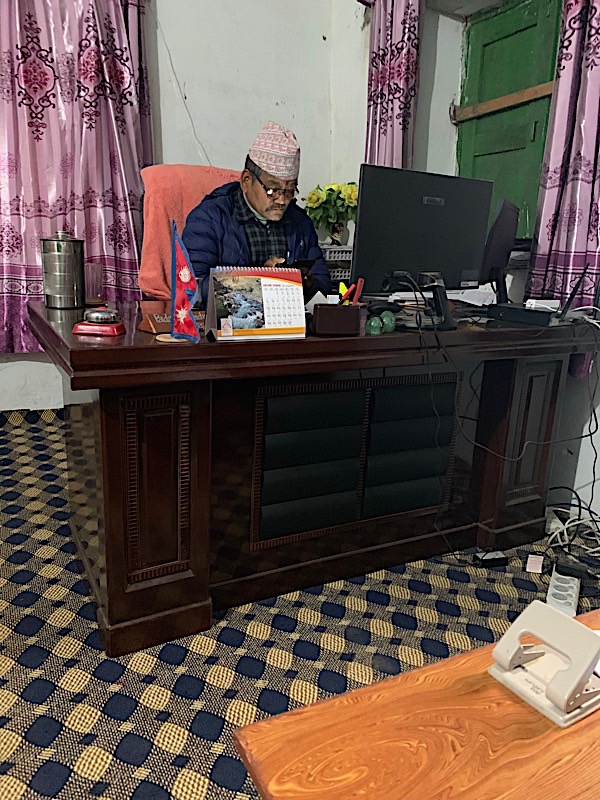
    And we met and talked with the principals from all the government schools where we are going to work, the Chairpersons from all the municipalities, health staff, teachers and a lot of other people.

    We had really interesting conversations about what we have been doing for the lasts years and what will we do during this one and everybody is really happy, willing to help as much as they can and excited to have us in their municipalities.

    The reality is that all the Awareness Projects they do against Chhaupadi have really poor results and ours has a hight rate of girls changing the tradition! So everybody is excited to see if we can begin to change that in more places and with a more continuous presence of our trainers on the field (they are all local women).

    Written and photos by Clara Garcia Ortés,
    corrected by Tere Salinero.


  • 2018 Rato Baltin Project Financial Report

    2018 Rato Baltin Project Financial Report

    We’ve come to an end of another year and it’s time to properly thank the people who have helped make it a memorable year.

    Our project began with the simple idea of providing basics to a woman during her menstrual period. In Nepal’s context, it is a topic that has long needed to be addressed, a subject considered taboo, but in today’s modern world need not be. It is time for change.

    Our project has focused on breaking down long held taboos, raising awareness about the subject, empowering the women of West Nepal, and offering real solutions. In 2018 we provided 321 Ruby cups to women and our journey is far from over!

    But first, to our donors and volunteers we would like to thank you from the depths of our heart for helping to drive positive change! Your support has been critical. You can read here the report 2018.

    Times are changing and there is no place in today’s modern world for taboos around menstruation to continue. With your continued support we will continue with our important work.

    Written by Akash Thapa, corrected by Monica Parekh

    Budget evaluation

    Description

    Estimate Cost

    Total Cost

    Salaries – Local staff

    Rs 462.000

    Rs 588.576

    Supplies and workshop resources + cups for women

    Rs 340.650

    Rs 589.934,84

    Utilities, bureaucracy + food and accommodation

    Rs 660.060

    Rs 822.951,5

    Transportation

    Rs 290.000

    Rs 323.450

    Total NPR

    Rs 1.753.250

    Rs 2.324.912,34

    Total Euro

    15.246 €

    €18.306,39

    General expenses – 10% of total Euro

    1524 €

    €1830

    Grand Total

    16.770 €

    € 20.136,39

    Exchange Rate: 1 Euro = 115 NPR (Rs)

    Exchange Rate: 1 Euro = 127 NPR (Rs)


    The 2018 budget exceeded the initial proposed expenditure by 3366,39 Euros. With a stronger than expected Euro – NPR exchange rate, which had been estimated based on the year previous, we exchanged at a rate of 127 in place of 115. If the exchange rate had stayed at 115, we would have instead exceeded the budget by 6000€ or more!

    There were four reasons for exceeding the budget to such an extent

    1 – In the first trip, we had seen the need for two nurses in place of one. Moreover, the school groups we were interacting with were large and quite difficult to manage at our then capacity. We therefore hired two older cup users as local mentors to assist the nurses.

    2 – The September follow up trip was more expensive than foreseen. As we showcased a film in the villages, we we had to buy fruits, sweets, and tea (in some case ‘iogurg’ to make banana lassi) for the communities, so that they would come to see the film and participate happily after not being present for so long.

    3 – When we saw that the Kathmandu nurses did not want to go back to Achham, no matter how much we had been paying, we decided to invest in a special training for six new Achhami trainers and six mentors. A menstrual therapist travelled from Spain to teach a more open minded way of seeing menstruation to the new trainers.

    4 – We spent more that we wanted to in official paperwork and administration in Nepal, due to the requirements of the Social Welfare Council (SJW) laws and guarantees.


    Where did the budget come from?

    BE ARTSY 2018 PROJECT IMPACT EVALUATION. RATO BALTIN PROJECT

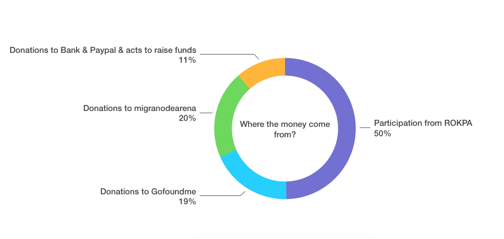
    50% of our Project funding came from our partner ROKPA International. The rest came from our Associates and private donors. Ruby Cup gave us 250 Cups for the Spring Project, and 150 more in August to do an earlier training to female teachers and nurses in the 2019 villages. The cost of these cups on the European market would be 10.080 €.The three main partners of this project have been collaborating similarly. Next year, Ruby Cup will a donate 3000 menstrual cups. On the European market, the 2019 donation from Ruby Cup would be 81.000€.


    West Nepal girls need this kind of program. And we need help to continue the project!

    Paypal recurring donations:

    Select a Donation Option (EUR)

    Enter Donation Amount (EUR)

    Or if you feel like it, you can donate via bank transfer at: Banc Sabadell IBAN: ES23 0081 0900 8200 0430 1934 BIC: BSABESBB (your recurring donation will help us have a better planning of our budget to carry out the projects undertaken).

    Or take a look to others ways to donate at http://beartsy.org/get-involved-with-rato-baltin/   or https://beartsy.org/become-an-associate/
    Thank You! 🙂

  • The girl that could not be touched by a menstruating girl

    The girl that could not be touched by a menstruating girl

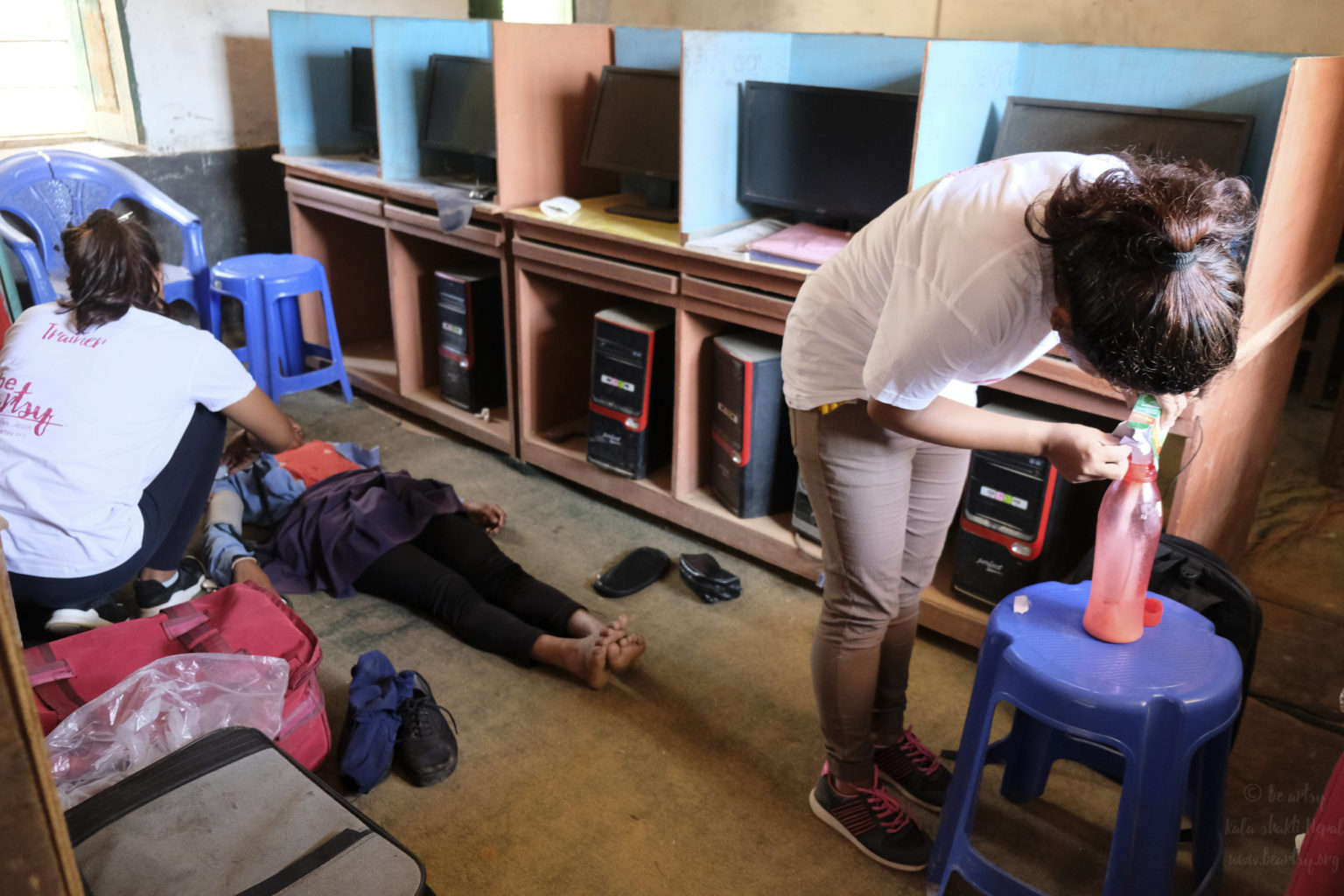
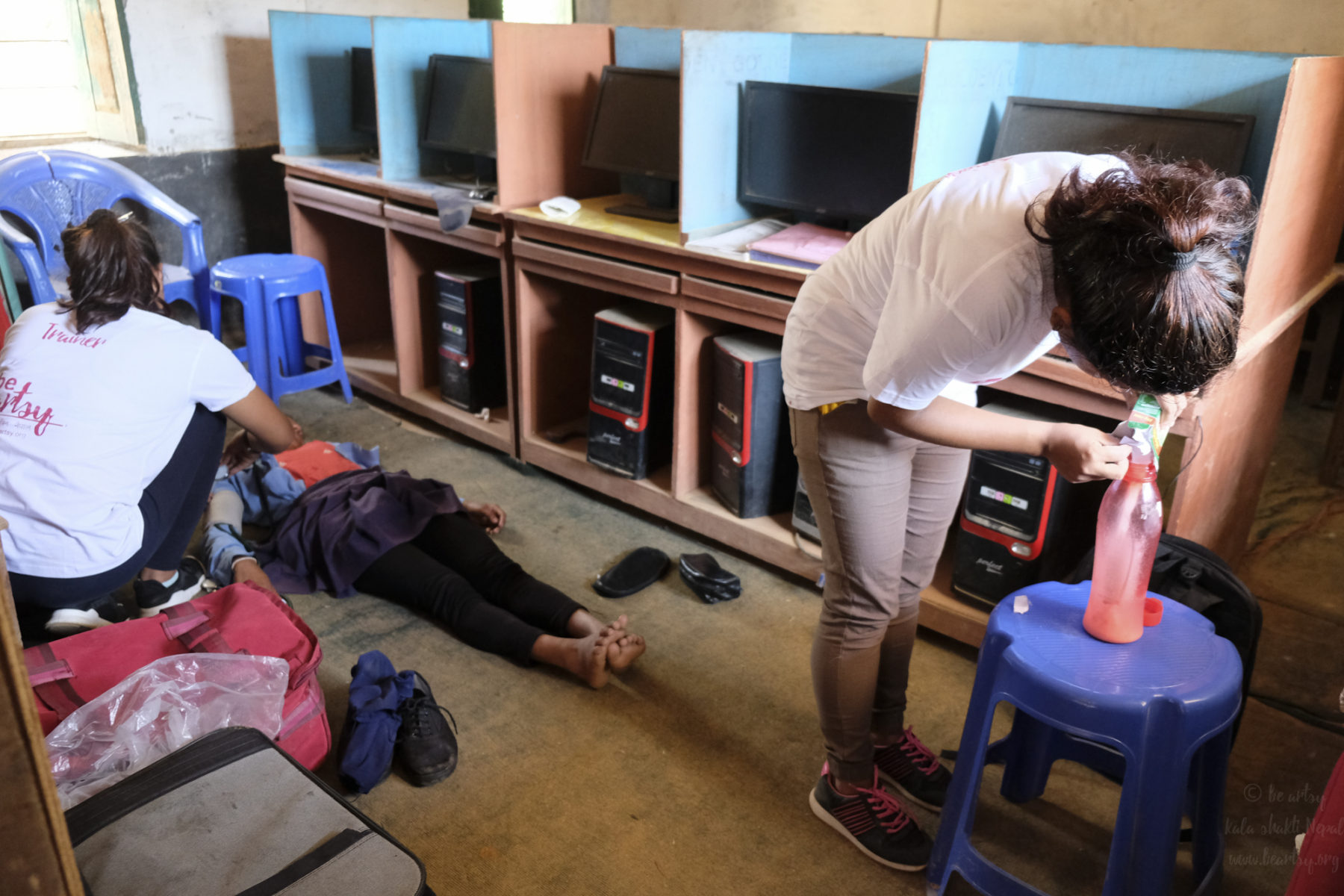
    On the first day at one of the schools we visited during the Spring 2018/2075 Rato Baltin project, when we came back from teaching class 10 boys and girls, we found a woman in the computer room where we kept our materials holding what we were thinking was an unconscious girl from class 9.

    One of our Nurses, Anju, took her vitals signs and she said she was not totally unconscious because she was responding to the environment. Afterwards, Anju asked the woman, who was the girl’s mother, about her history. She told us that it was a recurrent incident, caused when a menstruating girl touched her daughter.

    We asked if when the girl is menstruating has these kinds of episodes, and the mother told us ‘no’. It only happened when she was touched by another menstruating girl.

    We tried to give the girl Oral Rehydration Solution (ORS), but she was holding her jaw closed. We were therefore unable to give her the ORS. The mother explained that usually when she had these kinds of episodes, they would give her some drops of cow’s urine and she would wake up a moment later…

    Anju asked the mother to bring the cow urine drop’s to see what would occur, as she couldn’t find any normal explanation for the girl’s state.

    The mother arrived with some cow urine and grass. After asking for the assistance of a small girl on the school grounds who was not menstruating (Kumari, 8 years old), the girl spilt the urine soaked grass on top of the unconscious girl, who began to open her eyes. Anju asked the girl her name, which she answered correctly. She was completely back to normal.

    The pressure of beliefs from both families and wider society is so strong and convincing that girls really think that if they don’t practice chhaupadi, something wrong will occur. In this case, the girl really believes that she loses consciousness when a menstruating girl touches her.

    Written and photo © by Clara Go. Correction by Kristy Davies

    The girl that could not be touched by a menstruating girl

    Now you can contribute for paying one month salary to the nurse, or for some hygiene kit : https://www.gofundme.com/menstrual-cups-in-nepal-chhaupadi

    West Nepal girls need this kind of program. And we need help to continue the project!

    Or if you feel like it, you can donate via bank transfer at: Banc Sabadell IBAN: ES23 0081 0900 8200 0430 1934 BIC: BSABESBB (your recurring donation will help us have a better planning of our budget to carry out the projects undertaken).

    Or take a look to others ways to donate at http://beartsy.org/donate/

    Thank You! 🙂

  • 2017- Rato Baltin Pilot Project Impact Evaluation

    2017- Rato Baltin Pilot Project Impact Evaluation

    We hope 2018 has begun with joy and harmony.
    The whole be artsy team has started the year with great enthusiasm, as we have been working hard over the last few months to analyze the data collected during our last trip to assess the impact of the 2017 Rato Baltin project. We have been encouraged by what we have found, and are more committed now than ever in the fight against chhaupadi using sexual education, participatory photography and menstrual cups.

    2017 was a great success!
    You can read about it here:

    Project Impact Evaluation rato baltin 2017 be artsy ngo nepal


    DESCRIPTION

    In West Nepal, the lack of safe sanitary options often results in health problems and school absenteeism. Menstruation is a topic touched by embarrassment, insecurity, and degrading traditions for women like chhaupadi.

    Chhaupadi is characterised by the banishment of women during menstruation from their usual residence, due to supposed ‘impurity’. It has been criticised for violating the basic human rights of women, and for associated physical and mental health impacts. Despite having been outlawed and criminalised, it continues to exist.

    The Rato Baltin Project run by the NGO be artsy is a Menstrual Health Management (MHM) and sexual education program that aims to eradicate this practice. The Project includes girls, boys, women and their communities in its design.Atb eartsy ,webelievethateducationistheonlywaytochangethesedeeplyheldbeliefs.

    The project has a four-tiered approach:

    1. Workshop which provide sex education to both male and female teenagers in local schools of targeted communities
    2. Hygienic education delivered through workshops to all women in targeted communities
    3. Menstrual cups and training provided to volunteer girls attending school in targeted communities
    4. Participatory photography workshops utilised to showcase how girls and women feel about chhaupadi and their periods, and what they would like to change about the experience

    An important component of the Rato Baltin project is the distribution of a healthy and environmentally friendly solution to MHM in rural areas of Nepal: menstrual cups. Ruby Cup, a UK based company, are the manufacturers and donors of this life changing, medical grade silicone menstrual cup of the same name.

    Twice a year, we visit remote villages to distribute menstrual cups and conduct hygiene and sexual education training. We also revisit villages to check in on those who have already received training and a cup to see what (if anything) has changed, and evaluate the results of the program.

    We have already distributed more than 250 menstrual cups to school girls in remote villages. Each girl received a cup and training in how to use it. They are also given a metal bucket (baltin) to prepare clean water, and have somewhere to boil the cup.

    Intended use of the evaluation

    The intended use of the Rato Baltin project evaluation is to measure any changes in the lives of individual participants and communities targeted in the program, and assist in reaching new project donors for be artsy to achieve its aims in::

    • ●  Educating women, girls, boys and communities on sex, biology and HMH practices
    • ●  Reducing school absenteeism of girls in targeted remote communities of West Nepal
    • ●  Providing girls and women with tools to facilitate menstrual dignity
    • ●  Achieving long term project sustainability of the programFocus of the evaluationThe principal focus of the evaluation is to address the question of:

    – What changes have occurred around the practice of chhaupadi in the lives of girls and communities after the implementation our program?

    To ensure the program is based on best practice methodology and lessons learnt, the evaluation also aims to address the questions of:

    1. How culturally accepted and sustained is the use of menstrual cups in the targeted remote communities of West Nepal?
    2. What (if any) aspects of our program can be improved in design and/or implementation?

    Data sources and methodology

    Throughout the 2017 project implementation period, we have conducted monthly telephone follow-up calls with the volunteer menstrual cup users, as well as participating volunteer local teachers and nurses.

    The be artsy Staff Nurse and volunteers have travelled to the targeted communities twice in 2017 to conduct face-to-face follow-up with the girls, in order to measure how implementation of the cup is progressing. During these trips, girls have completed surveys about changes they have experiences around chhaupadi since our first visit, and initial use of the ruby cup. Informal conversations with community members were also used to discern impressions of the use of menstrual cups and the impact of workshop training and education.

    Girls that participated in the survey are users of the donated menstrual cups. However, our program has delivered workshop training and education to more than 1000 people since its commencement, in 4 villages: Basti, Kunti Bandali, Rachuli and Chilkhaya.

    The results

    CHHAUPADI:

    Only 9 girls reported no change in their experience of the chhaupadi tradition after our program. The rest of the Ruby Cup users experienced some changes.

    Some girls reported changes concerned access to food. Indeed, some girls reported they are now allowed to eat vegetables, some can eat fruits, and some can drink milk. A number of girls reported that after participating in our workshops, their mothers allowed them to have a warm blanket in the chhaugot (Hut), while some reported that they now sleep inside the house but in a separate room or space to other members of their family. A few girls reported that since the workshop trainings they are no longer required to participate in the exclusionary practices of chhaupadi, including being able to cook food.

    Girls communicated that because they no longer bleed outside of the body when using the cup, everything is

    cleaner, and both their families and themselves feel more self-confident. They attend school during their cycle, reducing their absenteeism, and actively try to help other girls in things related with menstruation.

    Girls that did not report changes related to chhaupadi have seen their lives improve in other areas:

    “ For me it is a positive experience. In my life this has brought some changes. My blood is not smelly also it is not bleeding out. And going to school is also easy with the cup.” ~ Bhawana Upadhya (Chilkhaya)

    MENSTRUAL CUPS:

    Of the 111 cups distributed between March and June 2017 to school girls in Achcham and Kalikot, 8 were confirmed as non-users. We were unable to personally contact 14 girls, but on their last follow-up call over the phone they reported they were still using their cups. A minimum of 2 of these girls have been married and now reside in India.

    “I am happy that i got the opportunity to use the ruby cup.” ~ Binda B.K. (Rachuli)

    REASONS FOR USING THE CUP:

    • –  No fear of staining clothes
    • –  No feeling that they are menstruating
    • –  They do not have to worry about drying rags
    • –  They do not feel self-conscious of having a bad smell
    • –  It is easier to attend school as they do not need to carry any pads or replacement materials, nor hide anyrubbish
    • –  Nobody knows they are menstruating, so they can engage in regular activities such as touching tapwater
    • –  They feel cleaner than when using traditional methodsREASONS FOR NOT USING THE CUP:
    • –  They are pregnant, but after the baby’s birth they want to begin using it again
    • –  Some reported slight pain/feelings of discomfort
    • –  Having lost it
    • –  Superstitions at home:

    ▪ The house of one of the girls collapsed; a chaman told the family it was due to a bad spirit, and the family was not allowed to reenter. They were forced to leave the house, and in turn left the village. The cup user could not go inside to take their cup. When her family left she had already been married to someone in the village and now resides there. She asked us to provide her with another cup, which we did. She will continue going to school until she finishes grade 10.

    EMERGENT MYTHS:

    • –  A mother from Kunti Bandali communicated that she believes the cup will prevent girls from being raped during their menstruation, both when they are in the chhaugot and when they have to go into the jungle alone
    • –  In Basti, some people were telling users not to use the cup because it might cause cancer when it is inside themWhat the girls think about our program:All girls feel more comfortable with their bodies after our workshop. They understand the biological processes and reasoning for what is happening, and many feel that they are now able to help other girls understand.

      Most of the girls considered their participation in the program to have been a positive experience, and that their lives have changed for the better in using the cup.

      In response to the question of “What would you change about Rato Baltin?”, most girls communicated that they would not change anything. Girls also rated the workshops on a scale of 0 – 10, with 0 being bad and 10 being excellent. Respondents rated the workshops with an average score of 9.

      BUDGET EVALUATION

    Description

    Pr evist Cost

    Total Cost

    Salaries – Local staff

    Rs 243.000,00

    Rs 269.280

    Supplies and workshop resources

    Rs 121.280,00

    Rs 184.967

    Utilities

    Rs 180.000,00

    Rs 299.092

    Transportation

    Rs 227.436,00

    Rs 288.741

    Total NPR

    Rs 771.716,00

    Rs 1.042.080

    Total Euro

    6.710,57 €

    9061,56 €

    General expenses – 10% of total Euro

    671,06 €

    906,15 €

    Grand Total

    7.381,63 €

    9967,71 €

    Exchange Rate: 1 Euro = 115 NPR (Rs)

    The 2017 budget exceeded the initial proposed expenditure by 2,586 Euros. This was the case for several reasons:1.b eartsy receivedanunexpectednewdonationof160menstrualcupsfromRubyCups

    2. This donation led to the doubling of the expected amount of work and needed complementary resources, particularly in terms of the menstrual kits

    3. Difficulty in finding volunteers to travel to West Nepal without financial compensation

    4.TheneedtoprovideKathmandu-basedvolunteerswithfundsfortravelandfoodrelatedto beartsya ctivities

    5. Difficulty in contracting a staff nurse for only three to four months of the year requiring higher than expected remuneration

    Great care was taken to adjust the budget and account for the increase in work and resources required by the unexpected donation, but a substantial increase was unavoidable to deliver the new cups.

    Discussion and plan for the future

    The results of the evaluation lead us to the conclusion that project is working well. Findings from the survey reveal our initial idea that the cups can break the taboos surrounding menstruation and chhaupadi was correct. However, our evaluation of the program also illustrates a need to implement some changes in the future.

    We have seen the need to design a workshop component aimed at the men in targeted communities, in order to holistically disseminate MHM knowledge and education. We will pursue the design of a men’s group workshop to be delivered in 2018.

    To see the full scope of the impact of the project among non-Ruby Cup users in communities, we will design a survey for all girls in participating schools, as well as the participants of the women’s group. This will be implemented in 2018.

    be artsy is also aware of a large gap in the delivery of the program. The menstrual cups donated by Ruby Cup are to be disseminated among girls that attend school, as a way of addressing absenteeism and MHM. However, not every girl in targeted communities are able to attend school. For instance, some girls are married, must stay at home to assist their families with housework, or tend to family owned fields. be artsy will work to make the program and provision of menstrual cups more inclusive of all girls and their contexts. be artsy is considering implementing a chhaupadi and menstrual cup education program on college and university campuses to raise awareness of this issue, and fundraise for this component of the 2018 project. This will require the hiring of one or two persons for the entirety of 2018 to successful and sustainably implement.

    We experienced problems working with our Nepali partner organisation, the Starts Foundation, throughout every stage of the 2017 Pilot Project. These difficulties in communication and delivery of agreed human and material resources rendered the implementation and evaluation phases difficult. Although the 2017 Pilot Project was successful thanks to the hard work of be artsy volunteers and President Clara Garcia Ortes, present in Nepal for 11 months of the year, it is necessary to consider other options to ensure effectiveness and accountability.

    We have been working to establish a strong volunteer team assembled under the banner of a new Nepali NGO. This new Nepali NGO will be named: be artsy Kalaa Shakti Nepal (be artsy, the power of art).

    In conclusion, in August of 2017, the Government of Nepal passed a law that punishes those forcing women to adhere to chhaupadi-mandated exile while menstruating with a fine of 3,000 Nepalese rupees or three months jail-time. Yet we believe that these advances will not have a significant impact on its prevalence. The practice of chhaupadi is strongly embedded in social norms and cultural practices. However, it is a significant step forward in the right direction on the political level, and represents a developing social change in opinion. Combined with programs such as Rato Baltin that address education on the local grassroots level in remote areas where the practice is still prevalent, we believe that there is significant potential for change into the future.

    🙂
    Thank you very much for being with us, we will soon send you exciting news about the 2018 Rato Baltin project.

    —
    The team of be artsy’s volunteers .
    Clara Go

    Now you can contribute for paying one month salary to the nurse, or for some hygiene kits easily from : https://www.gofundme.com/menstrual-cups-in-nepal-chhaupadi

    Or If you feel like it, you can Donate:

    Banc Sabadell
    IBAN: ES23 0081 0900 8200 0430 1934
    BIC: BSABESBB

    NepalYou can follow us on  Facebook or Twitter.
    Thank you for making this possible!

    Written by kristy Davies and Clara Go.
  • Travel log – Preparation of the follow-up trip: holidays do not exist…

    Travel log – Preparation of the follow-up trip: holidays do not exist…

    By the end of June, after our trip back from Kalikot, I was impatient, for September to arrive and go back to Achham and Kalikot to check on the results.

    Each time we return to the villages, the accumulated tiredness there, and all the things I have seen and experienced do take their toll. Many times I feel depressed because I can’t do more, physically exhausted and thinking in all the work that still remains to be done.

    This time, I decided that I would take 10 or 15 days to lay back. That afterwards I would write and prepare the pictures and that I would have a quiet month of August, a quasi-holidays period. To remain at home, at rest during the rainy season. I rented a room in a guesthouse (a cheap one) in Patan, as I wanted to try if I would like to live in that area, full of expats and maybe with more connections and means for the NGO, and in my first night there I called a friend from the Putali Nepal NGO and fixed with her going to a concert, where we talked about work and our trip all the time! 🙂

    But, from the following day, yes: about ten days doing “practically” nothing. Then we start doing the follow-up of the girls via the telephone, and with the little money we had I started preparing the trip for September. Susmila, our first nurse, recovered from her surgery, was ready to come with me to Achham and Kalikot and that was the plan. To go both of us by ourselves just to do the follow-up. I wrote to Ruby Cup to tell them how things had been. I told them that we had a waiting list of 140 girls and they offered a new donation of 160 units. I jumped for joy! The girls would have their cups this year! I had told them that I could not promise anything, but that we would try to have them for spring and it happens that we would have them way before! Great!

    Ah! But wait… my happiness was short-lasted: 160 cups, that would be 160 buckets, and soaps and towels and more people to carry all… My quiet August had just gone up in smoke! Now to get money to buy all the materials! Furthermore, as if we didn’t have enough to do, we decided to buy cups to Ruby Cup to sell them here. That way we could offer here the promotion “Buy one and we will donate one for free to a girl in need”.

    The idea is to be able to give cups to those girls of 13, 14, 15, 18 years, who can’t go to school because they are too poor to pay the 300 rupee that cost the school every month, or because they were pushed to marry or they have children.

    So the whole of August and the most part of September was even more stressful than the first phase, but with the selling of cups we made contacts, we met wonderful people and we have big hopes.

    Nothing comes for free in this life, it is needed to fight hard to get anything and that’s what we did, and what we are doing. Working hard to be able to improve the quality of life of those girls who suffer the terrible tradition of the Chhaupadi, and little by little to create awareness about in those remote places in West Nepal.

    Thus arrived the 22nd of September and we went out charged with buckets, cups and materials, towards West Nepal, this time with an expedition fully made up of women! 🙂

    We will be back soon with more!

    Written, and photos with Fujifilm XT20, © by Clara Go.


    Now you can contribute for paying one month salary to the nurse, or for some hygiene kit : https://www.gofundme.com/menstrual-cups-in-nepal-chhaupadi

    Written by Clara Go. Translation by Tere Salinero

    West Nepal girls need this kind of program. And we need help to continue the project!

    Or if you feel like it, you can donate via bank transfer at: Banc Sabadell IBAN: ES23 0081 0900 8200 0430 1934 BIC: BSABESBB (your recurring donation will help us have a better planning of our budget to carry out the projects undertaken).

    Or take a look others ways to donate at http://beartsy.org/donate/

    Thank You! 🙂


  • Travel log – Women’s group in Chilkhaya

    Travel log – Women’s group in Chilkhaya

    21-8-17. Because in as Rachuli we couldn’t work  with the  group of women, here, in chilkhaya I didn’t accepted a no as answer, and i propose to do it,  even if it was only for 2 days and  at the the time that they wanted, and they accepted.

    It was not very numerous, because it was a really work time for women, it was the rise planting moment,  but it was very interesting, we were talking about measures of menstrual health and we were astonished to see the hight number of girls of 14, 15, 16 years that came to this group, ie, they were not in school.

    Just as in Rachuli we realized the need to make a group of men the next time we go to teach the full progra, (from April) Here we realized the need to get menstrual cups for these girls not schooled

    It is very hard to see that because parents do not have money to continue studying and/or they got married, they are not entitled to the same sexual hygiene as the others. They sleep in the stables of the cows like the others, they do not have access to the water like the others …. there is no right that we give menstrual cups to the girls who are lucky to study, and to those who do not have this luck, the we punished without a cup. Remember that the donations we got from ruby cup are only for school girls, to keep girls in school.

    And It is for this reason that we have launched a new part of the project. We want to get “extra” money to give these women menstrual cups, too.

    We are selling menstrual cups in Kathmandu for next year to be able to distribute menstrual cups among the youngest girls in the women’s group, and besides, we have already launched a crowdfunding so that whoever wants to collaborate in the continuity of the project can do it already and whenever they want .

    Thank you! 🙂

    Written, and photos with Fujifilm XT20, © by Clara Go. Correction by Phumzile Mpofu

    West Nepal girls need this kind of program. And we need help to continue the project!

    Now you can contribute for paying one month salary to the nurse, or for some hygiene kit : https://www.gofundme.com/menstrual-cups-in-nepal-chhaupadi

    Or if you feel like it, you can donate via bank transfer at: Banc Sabadell IBAN: ES23 0081 0900 8200 0430 1934 BIC: BSABESBB (your recurring donation will help us have a better planning of our budget to carry out the projects undertaken).

    Or take a look others ways to donate at http://beartsy.org/donate/

    Thank You! 🙂