Our work goes far beyond menstrual education or distributing menstrual cups. We work with girls, boys and entire communities to challenge discrimination, question deeply rooted beliefs and promote equality.
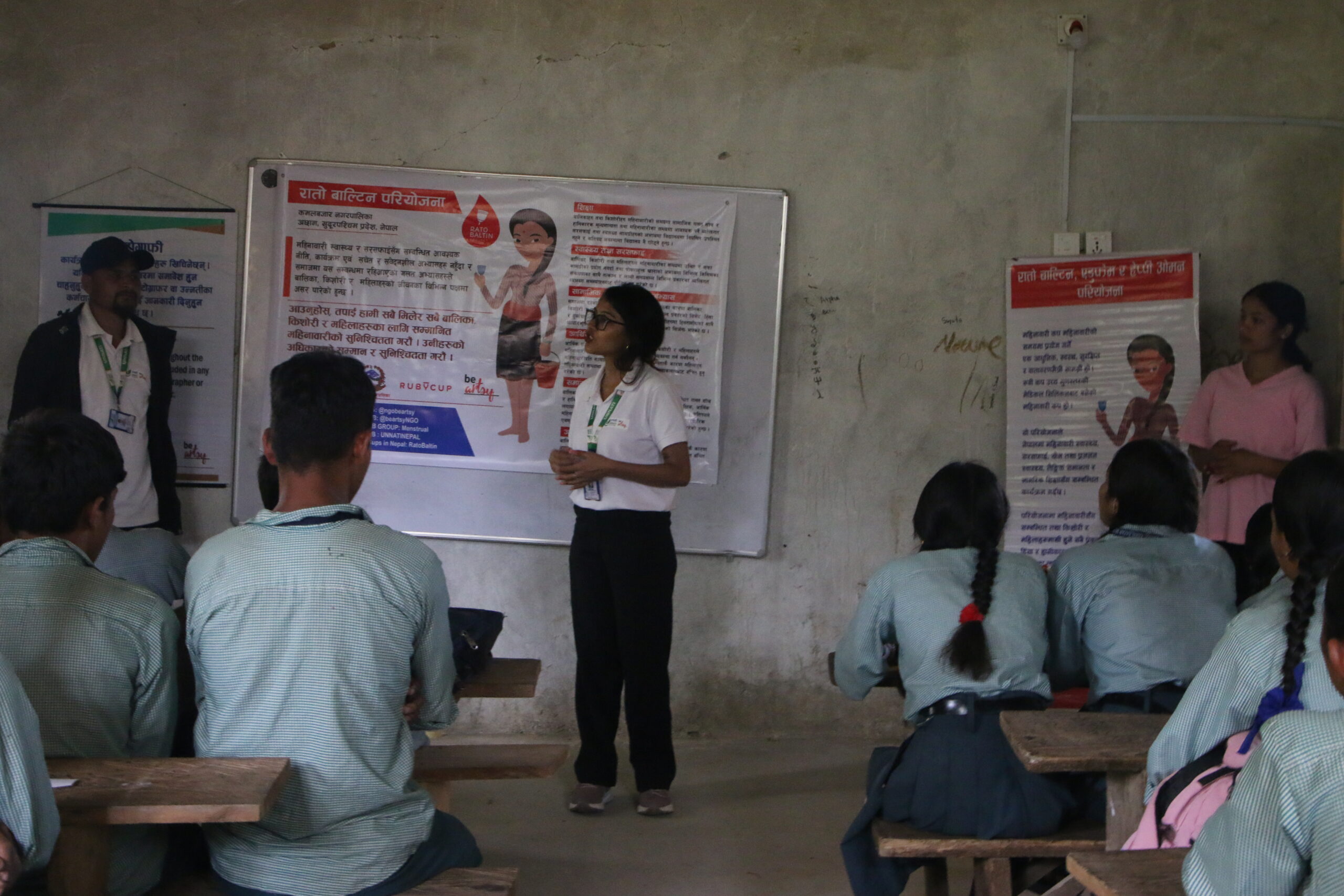
When the Rato Baltin team arrives at a school in Achham, western Nepal, we stay for 7 to 14 days, depending on the size of the school and the surrounding community.
During this initial intervention, we address menstrual health, comprehensive sexuality education, anatomy, sexual and reproductive rights, consent, mutual respect, gender equality and the prevention of child marriage.
We also discuss chhaupadi, a discriminatory practice that considers women and girls impure during menstruation and can lead to restrictions, isolation and exclusion from everyday family life.
Girls and boys: learning together and separately
Our school sessions begin with girls and boys together, before the morning break. We believe everyone should receive the same basic information about the human body, menstruation, sexuality and mutual respect.
After the break, we divide them into separate groups. This allows us to explore specific topics in greater depth and create a safe environment where young people feel comfortable asking questions.
Two male trainers work specifically with the boys, discussing puberty, spermarche — the first ejaculation — sexuality, consent, respect and responsibility in relationships.
With the girls, we explore the different stages of reproductive life, from menarche — the first menstrual period — to menopause. We also discuss sexuality, consent, bodily autonomy and their rights.
An essential part of these sessions is preventing sexual abuse. We teach girls that their bodies belong to them and that they have the right to say NO to any unwanted physical contact, even when it involves someone they know or a member of their own family.
We want them to recognise uncomfortable or inappropriate situations, understand that they are never responsible for someone else’s abusive behaviour and know that they can seek help from a trusted adult.
We also offer menstrual cups to girls and women who choose to use them, together with the training needed for safe use. Reusable cloth pads made by the women at our Happy Women Training Center are another available option.
Photography as a tool for expression
Participatory photography is another important part of Rato Baltin.
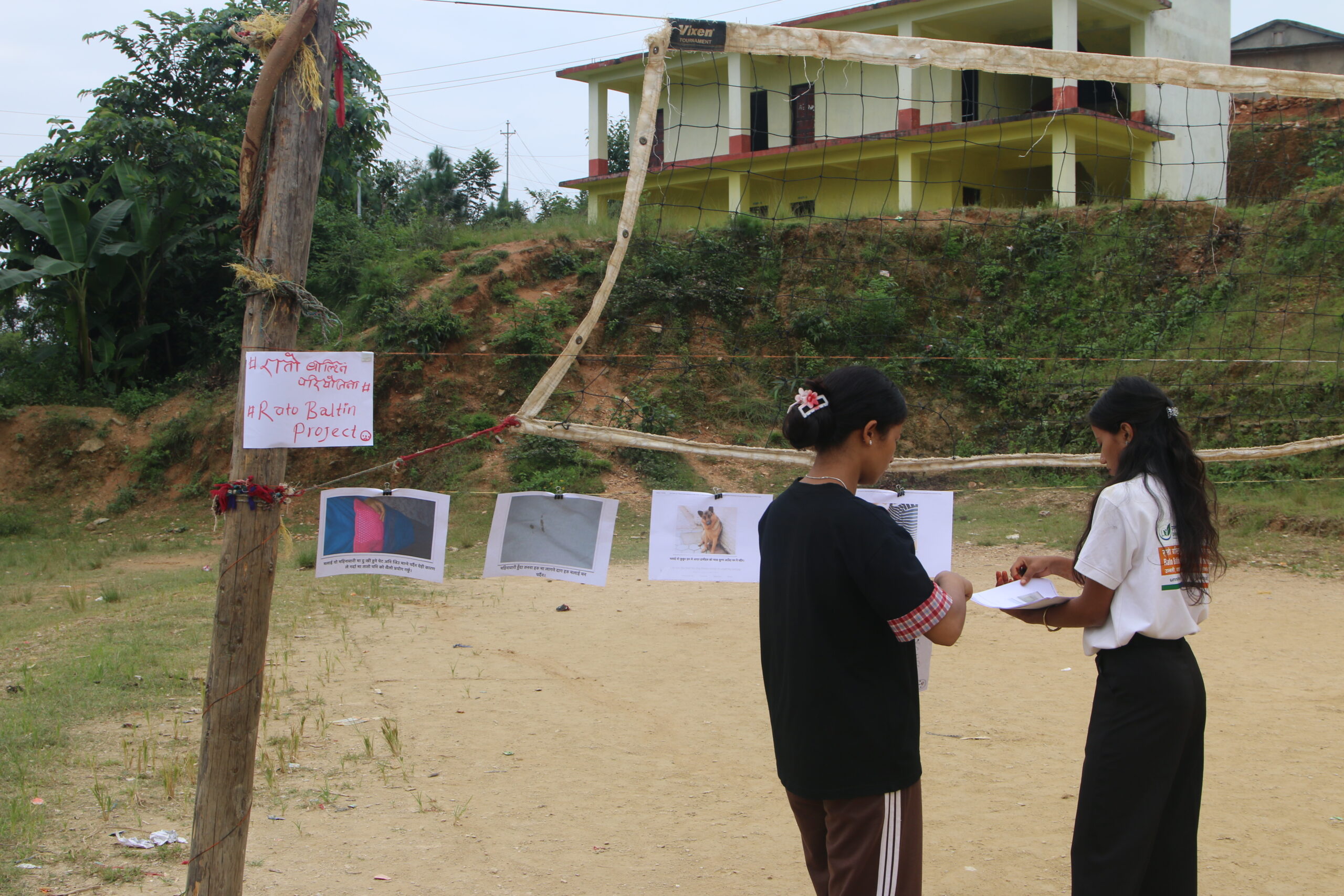
In the girls’ groups, we use cameras to encourage them to share their experiences, explore their surroundings and express how they see the world.
Photography gives them a voice and creates opportunities to reflect on their lives, rights and aspirations.
Because education is not simply about sharing information. It is also about listening, building confidence and helping young people recognise their own rights.
And when those first days of training are over, our work is far from finished. We have a follow-up system designed to ensure that what has been learned does not remain confined to the classroom.
In our next article, we will explain what happens after the team leaves the school and why volunteer mentors are so important to Rato Baltin.